Loading...
Done


Photos by Daniel Korjonov
Details
30 May 2012 03:43:00
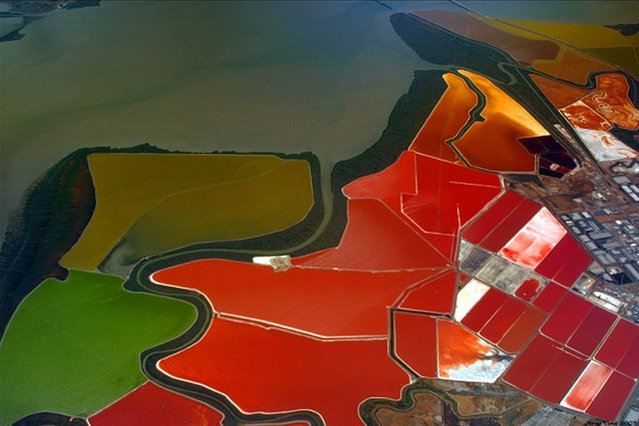
Salt ponds in San Francisco Bay

Salt evaporation ponds, also called salterns or salt pans, are shallow artificial ponds designed to produce salts from sea water or other brines. The seawater or brine is fed into large ponds and water is drawn out through natural evaporation which allows the salt to be subsequently harvested. The ponds also provide a productive resting and feeding ground for many species of waterbirds, which may include endangered species. The ponds are commonly separated by levees.
Details
11 Oct 2012 12:49:00
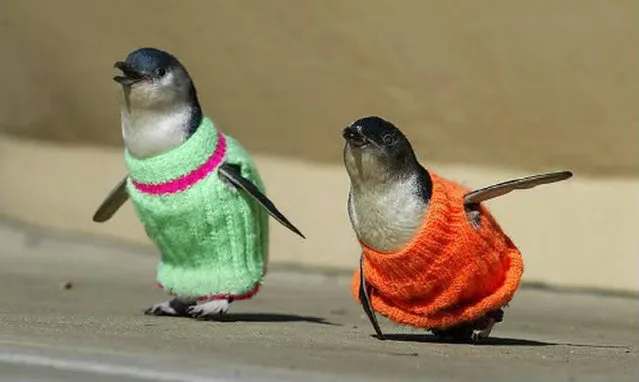
New Zealand Penguins in Need of Sweaters

Penguin sweaters, also known as penguin jumpers, are sweaters which are knitted for penguins that have been caught in oil slicks. When an oil spill affects penguins, they are dressed in knitted sweaters to stop them preening their feathers and to keep them warm, since the spilled oil destroys their natural oils. This also prevents them from poisoning themselves by ingesting the oil. The sweaters are removed and discarded as soon as the penguins can be washed. The original project has been completed, but the knitting pattern is still available on-line, as subsequent oil spills make it necessary. The extra sweaters are kept on behalf of the Wildlife Rescue Team.
Details
31 Oct 2012 13:06:00
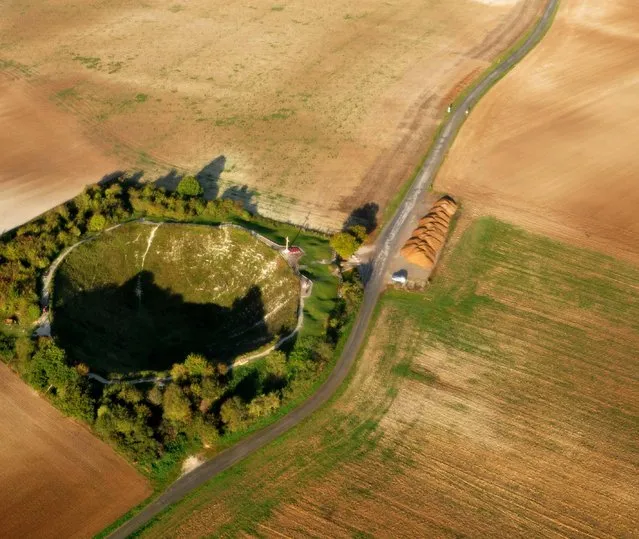
Lochnagar Crater Somme In France

It is amazing how much the humanity can change the face of the earth. Not only can it create huge craters, which look a lot like craters from meteors, they leave a big enough impact that it can be seen from space. Though this crater, caused by a massive explosion on 1 July 1916, looks large, being 90 feet deep and 300 feet across; it is nowhere big enough to be viewed for space. A common misconception is that the Great Wall of China can be seen from space. In reality, however, it is impossible. Not only is it of the same color as the earth near it, it is also not that wide. Deforestation, on the other hand, can be clearly seen from space. Also, at night, all the lights that the large cities produce are also very visible.
Details
17 Nov 2014 12:48:00
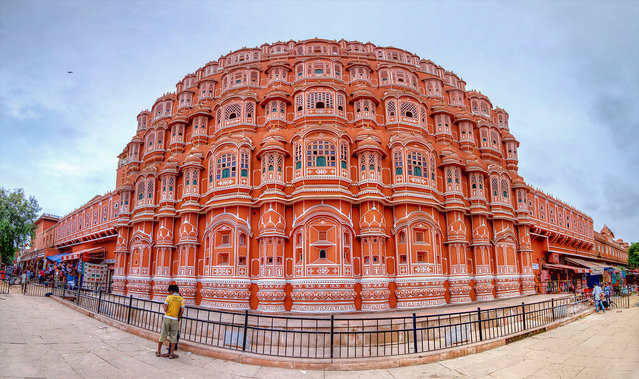
Hawa Mahal India

Hawa Mahal, which translates as the Palace of Winds, was built in 1799 by Maharaja Sawai Pratap Singh. The design of the palace was created by Shreyansh Jain to resemble the crown of Krishna. The design of this unique five-story building is akin to a honeycomb. The main purpose of this building was to allow royal ladies to watch the street below while remaining unseen, since during those times they had a strict code of dressing, which meant covering their faces. The palace was designed to produce the Venturi effect, which created natural air conditioning and kept the interior relatively cool during hot summers.
Details
22 Nov 2014 13:22:00
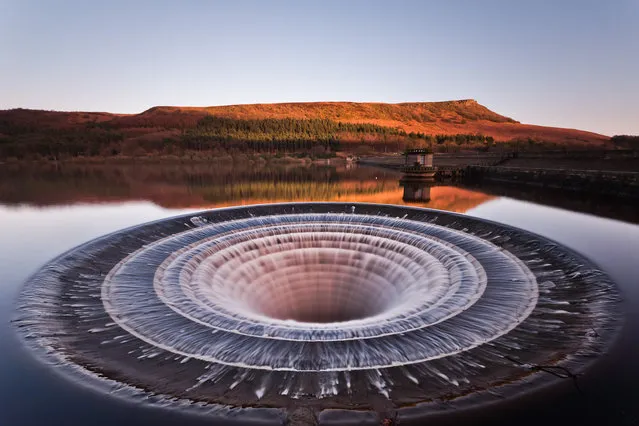
Ladybower Reservoir In Derbyshire England

Ladybower Reservoir is a large Y-shaped reservoir, the lowest of three in the Upper Derwent Valley in Derbyshire, England. The River Ashop flows into the reservoir from the west; the River Derwent flows south, initially through Howden Reservoir, then Derwent Reservoir, and finally through Ladybower Reservoir.
Details
28 Feb 2013 11:20:00
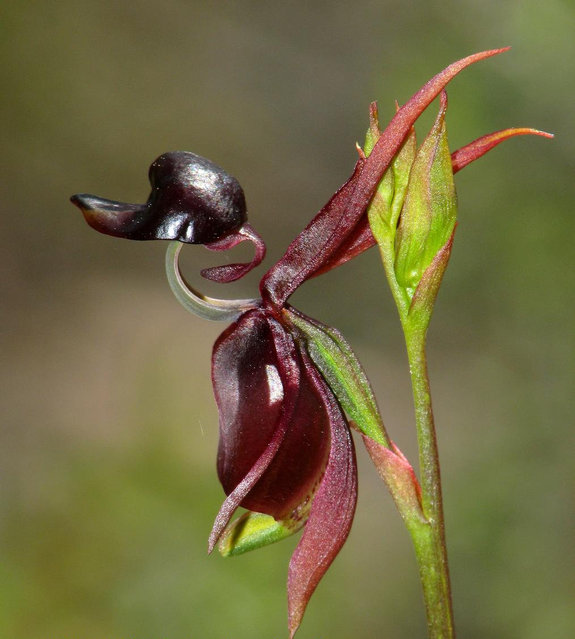
The Flying Duck Orchid

Caleana major, the Flying Duck Orchid is a small orchid found in eastern and southern Australia. This terrestrial plant features a remarkable flower, resembling a duck in flight. The flower is an attractant to insects, such as male sawflies which pollinate the flower in a process known as pseudocopulation. In 1986 this orchid was featured on an Australian postage stamp.


See Also: Monkey Orchid
Details
22 Apr 2013 10:56:00
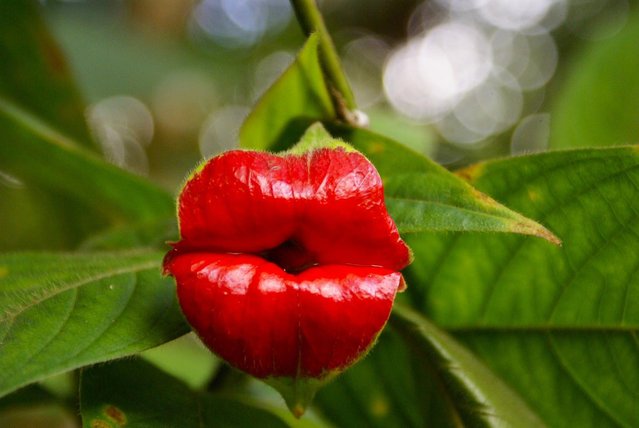
A Kiss From Mother Nature - Psychotria Elata

Psychotria is a genus containing some 1900 species within the plant family Rubiaceae. Members of the genus are small understorey trees in tropical forests. The former genus Cephaelis is considered a synomym of Psychotria.
Details
28 May 2013 10:07:00