Loading...
Done
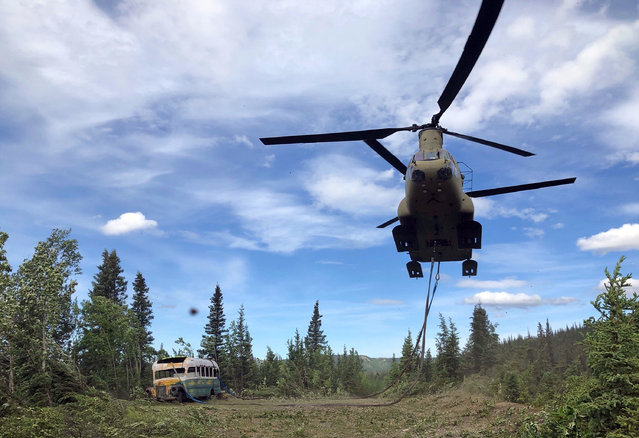
In this photo released by the Alaska National Guard, Alaska Army National Guard soldiers use a CH-47 Chinook helicopter to removed an abandoned bus, popularized by the book and movie “Into the Wild”, out of its location in the Alaska backcountry Thursday, June 18, 2020, as part of a training mission. Alaska Natural Resources Commissioner Corri Feige, in a release, said the bus will be kept in a secure location while her department weighs various options for what to do with it. (Photo by Sgt. Seth LaCount/Alaska National Guard via AP Photo)

In this photo released by the Alaska National Guard, Alaska Army National Guard soldiers use a CH-47 Chinook helicopter to removed an abandoned bus, popularized by the book and movie “Into the Wild”, out of its location in the Alaska backcountry Thursday, June 18, 2020, as part of a training mission. Alaska Natural Resources Commissioner Corri Feige, in a release, said the bus will be kept in a secure location while her department weighs various options for what to do with it. (Photo by Sgt. Seth LaCount/Alaska National Guard via AP Photo)
Details
20 Jun 2020 00:03:00
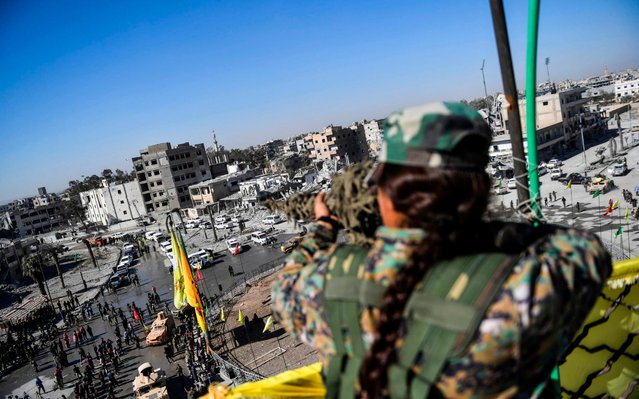
A female sniper of the Syrian Democratic Forces (SDF) monitors the area during a celebration at the iconic Al- Naim square in Raqa on October 19, 2017, after retaking the city from Islamic State (IS) group fighters. The SDF fighters flushed jihadist holdouts from Raqa' s main hospital and municipal stadium, wrapping up a more than four- month offensive against what used to be the inner sanctum of IS' s self- proclaimed “caliphate”. (Photo by Bulent Kilic/AFP Photo)

A female sniper of the Syrian Democratic Forces (SDF) monitors the area during a celebration at the iconic Al- Naim square in Raqa on October 19, 2017, after retaking the city from Islamic State (IS) group fighters. The SDF fighters flushed jihadist holdouts from Raqa' s main hospital and municipal stadium, wrapping up a more than four- month offensive against what used to be the inner sanctum of IS' s self- proclaimed “caliphate”. (Photo by Bulent Kilic/AFP Photo)
Details
21 Oct 2017 07:51:00
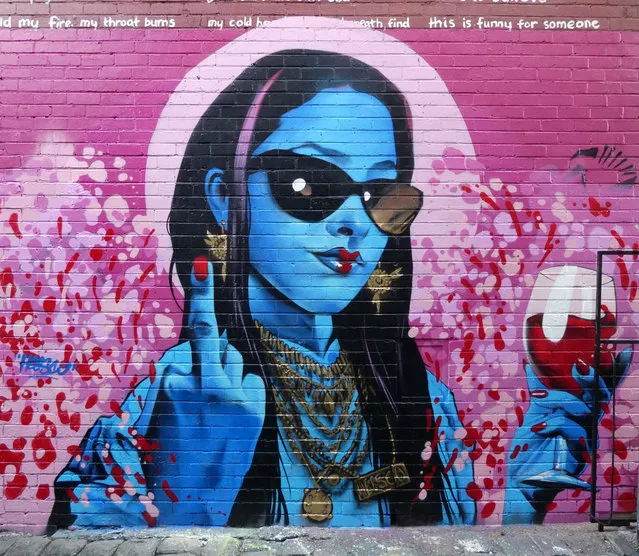
Heesco, Windsor. Born and raised in Mongolia and now living and working in Melbourne, Heesco is well known for his skill in rendering photo-realistic portraits. They speak to the viewer in a way that the subtext is enjoyable to decipher. Just what is the Blue Lady’s message? The sunglasses might mask the confronting gaze but her body language fills in the gaps. Heesco’s characters often wear traditional jewellery and clothing that remind us of his Mongolian cultural heritage. (Photo by Lou Chamberlin/The Guardian)

Heesco, Windsor. Born and raised in Mongolia and now living and working in Melbourne, Heesco is well known for his skill in rendering photo-realistic portraits. They speak to the viewer in a way that the subtext is enjoyable to decipher. Just what is the Blue Lady’s message? The sunglasses might mask the confronting gaze but her body language fills in the gaps. Heesco’s characters often wear traditional jewellery and clothing that remind us of his Mongolian cultural heritage. (Photo by Lou Chamberlin/The Guardian)
Details
26 Dec 2017 08:28:00
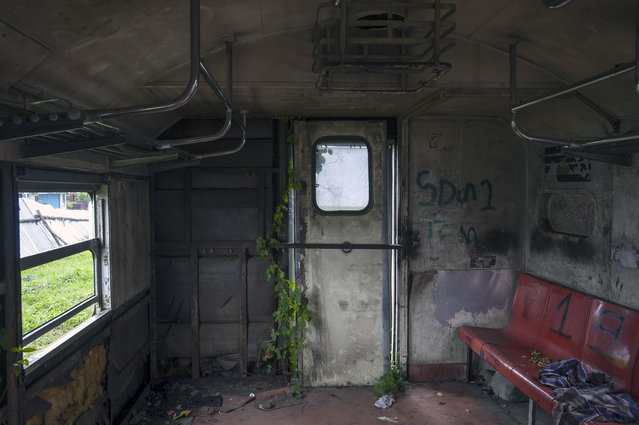
The carriages have decayed over time, on February 27, 2015, in Purwakarta, Indonesia. Dozens of trains are stacked on top of each other in what looks like a post-apocalyptic world. The old electric trains that travelled in and out of Jakarta, Indonesia, are weathered and decayed over time. The trains were used everyday since the 1980s and carried thousands of people to work. (Photo by HKV/Barcroft Media)

The carriages have decayed over time, on February 27, 2015, in Purwakarta, Indonesia. Dozens of trains are stacked on top of each other in what looks like a post-apocalyptic world. The old electric trains that travelled in and out of Jakarta, Indonesia, are weathered and decayed over time. The trains were used everyday since the 1980s and carried thousands of people to work. Now the carriages, which were once the lifeblood of public transport in the south-Asian city, have been left to rust among shrubbery. (Photo by HKV/Barcroft Media)
Details
21 Apr 2015 11:13:00
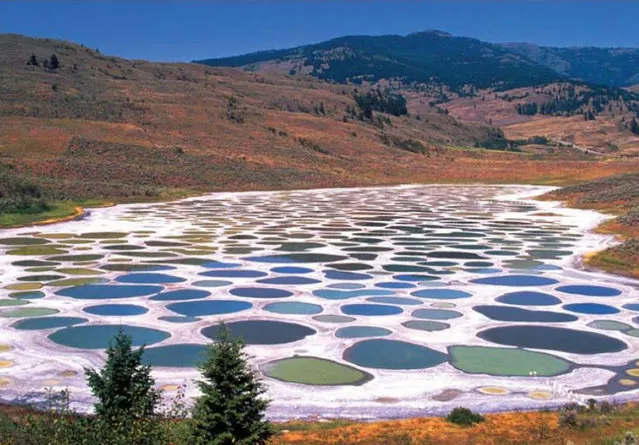
Kliluk, the Spotted Lake, Canada

Originally known to the First Nations of the Okanagan Valley as Khiluk, which was- and remains today revered as a sacred site producing therapeutic waters. During World War I the minerals of Spotted Lake were used in manufacturing ammunition. Later the area came under the control of the Ernest Smith Family, for a term of about 40 years. In 1979 Smith attempted to create interest in a spa at the lake. The First Nations responded with an effort to buy the lake; in October 2001 they finally struck a deal. First Nations arranged the purchase of 22 hectares of land for a total of $720,000, and contributed about 20% of the cost. The Indian Affairs Department paid the remainder.
Details
06 Mar 2015 12:59:00
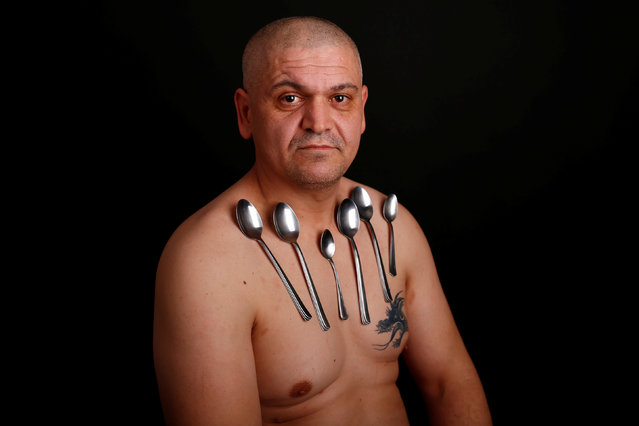
Nermin Halilagic, 38, poses with kitchen utensils in Bihac, Bosnia and Herzegovina, January 23, 2017. (Photo by Dado Ruvic/Reuters)

Nermin Halilagic, 38, poses with kitchen utensils in Bihac, Bosnia and Herzegovina, January 23, 2017. Halilagic discovered earlier this year that he had the unusual ability to attach items to his body using what he says is a special energy radiated from his body. (Photo by Dado Ruvic/Reuters)
Details
26 Jan 2017 12:52:00
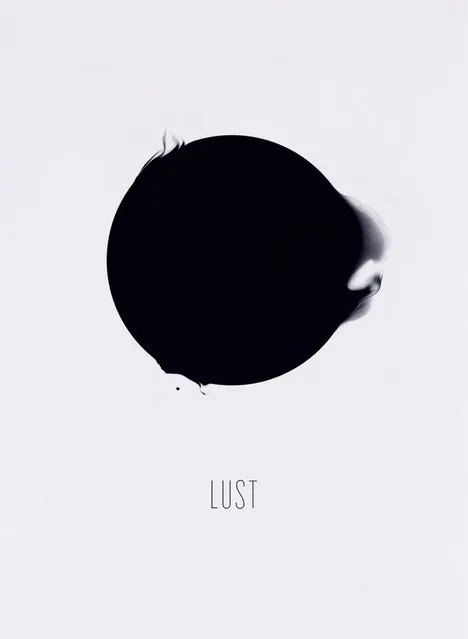
Seven Sins By Alexey Malina

Alexey Malina has portrayed the Seven Deadly Sins in a series of posters called Seven Sins. The black shapes bleed as the deception and dread of sin’s course evolves in one’s life. Their stamina caves to lust, wrath, envy, greed, sloth, pride and gluttony. As the New Testament warns us, “flee from evil, cling to what is good” for the patterns that follow the seven only lead to death.
Details
20 Apr 2014 09:42:00
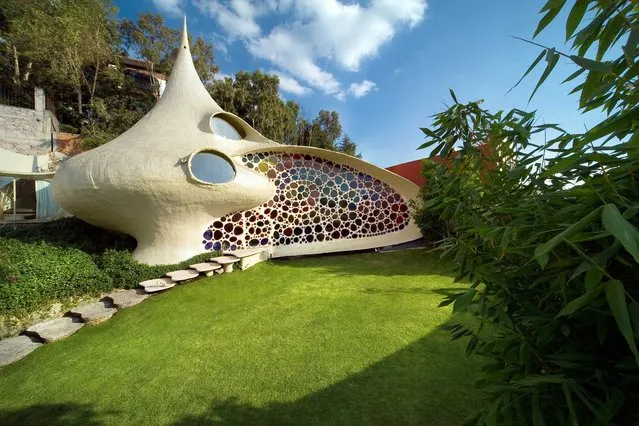
Living In A Shell – Nautilus House

The Nautilus, designer Javier Senosiain’s bizarre, snail-shaped dwelling, is a mind-bending union of artistic experimentation and simplified living. Inspired by the work of Gaudí and Frank Lloyd Wright, Senosiain has brought to Mexico City another sparkling example of what he calls “Bio-Architecture” — the idea that buildings based on the natural principles of organic forms bring us back to local history, tradition and cultural roots, in turn creating harmony with nature.
Details
07 Jun 2013 10:15:00