A model poses at the Le Silla Spring/Summer 2012 presentation as part Milan Womenswear Fashion Week on September 23, 2011 in Milan, Italy. (Photo by Vincenzo Lombardo/Getty Images for Le Silla)
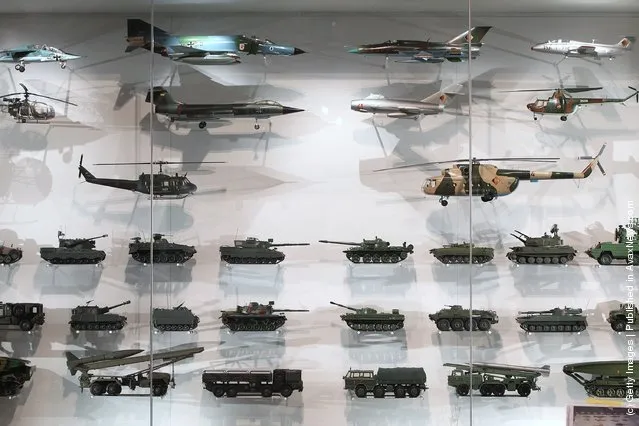
Models of Cold War-era Allied (L) and Soviet Bloc weaponry face one another at the new Bundeswehr Military History Museum (Militaerhistorisches Museum der Bundeswehr, or MHM) on October 11, 2011 in Dresden, Germany. The museum, redesigned by star architect Daniel Libeskind, traces Germany military history from 1300 to the present, including during the Nazi period and the Cold War, and also examines the influence of the military on popular culture. (Photo by Sean Gallup/Getty Images)
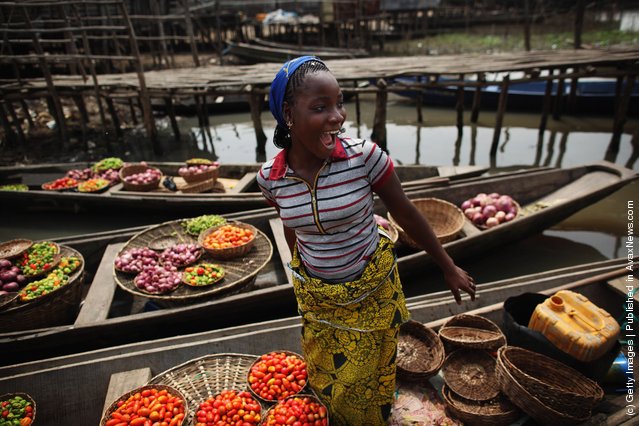
A girl laughs while unloading her boat of produce at a market in Ganvie on January 6, 2012 in Cotonou, Benin. Often called the Venice of Africa, Ganvie is a stilted fishing village on Lake Nokoue, near Cotonou in Benin, the largest such village in Africa, and home to approximately 20,000 residents. (Photo by Dan Kitwood/Getty Images)
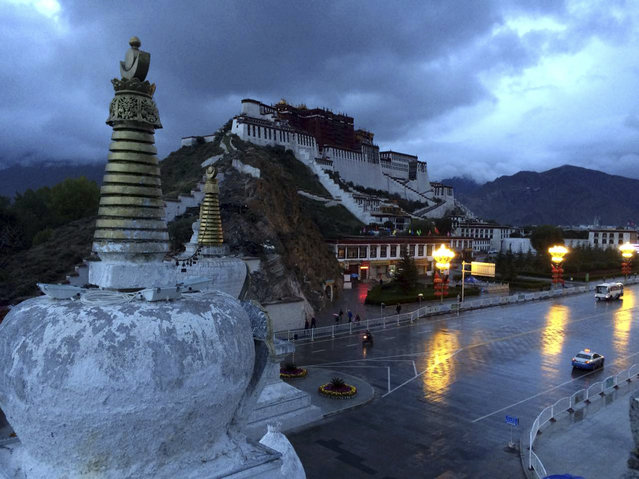
Pedestrians and vehicles make their way past the Potala Palace early on a rainy morning in Lhasa, capital of the Tibet Autonomous Region in China, Saturday, September 19, 2015. Chinese officials have taken foreign journalists on a visit to the region, normally off-limits to them, weeks after Communist Party officials commemorated the 50th anniversary of the establishment of the Tibet Autonomous Region. (Photo by Aritz Parra/AP Photo)
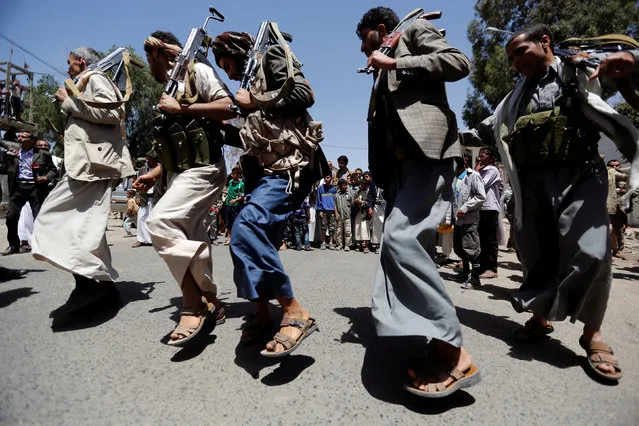
Tribesmen loyal to the Houthi movement perform the Baraa dance during a gathering to show support to the movement in Sanaa, Yemen, May 19, 2016. Bara or Baraa dance is one of the several traditional outdoor dances performed by men in the country of Yemen. Bara dance literally means a dagger dance, where each dancer holds a dagger. The style of the Bara dance differs from tribe to tribe. It is performed on special occasions. (Photo by Khaled Abdullah/Reuters)
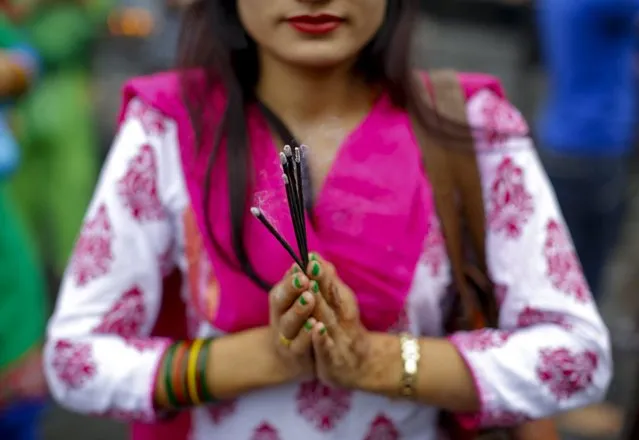
Nepalese Hindu women pray to worship Lord Shiva during the first day of the Sarwan Brata festival, the month of fasting, at the premises of Pashupati Temple in Kathmandu, Nepal, 18 July 2016. Thousands of married and single Nepalese Hindu women will gather in temples for each Monday of the Sawan month (spanning from 16 July to 16 August) to pray for a long and prosperous life of their husbands or for a chance to find a good one. (Photo by Narendra Shrestha/EPA)
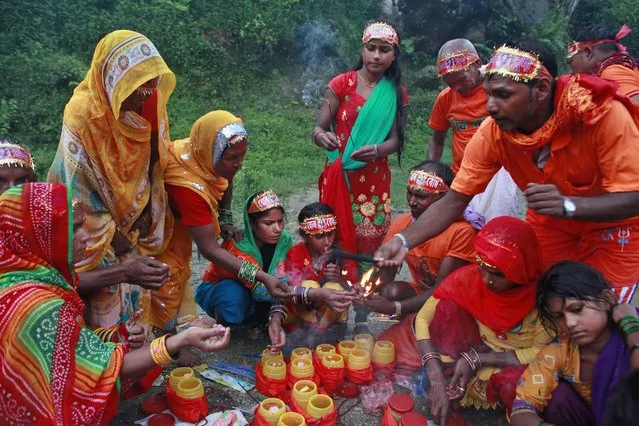
Hindu devotees perform rituals during the Bol Bom pilgrimage, on the outskirts of Kathmandu, Nepal, Monday, August 8, 2016. During this pilgrimage, devotees walk miles barefooted before offering water collected from Bagmati river, at the Pashupatinath temple in Katmandu. Shravan Somwar or Monday of Hindu calendar month of Shravan is considered auspicious for offering prayers to Lord Shiva, the god of destruction. (Photo by Niranjan Shrestha/AP Photo)
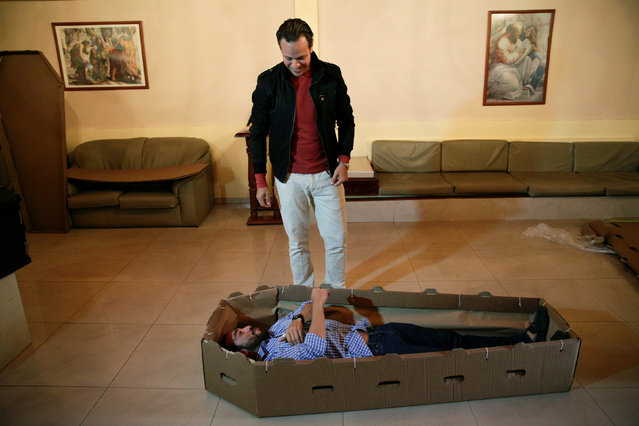
Elio Angulo (bottom C) lies inside a cardboard coffin next to Alejandro Blanchard as they introduce their product to potential customers at a mortuary in Valencia, in the state of Carabobo, Venezuela August 25, 2016. When Venezuelan entrepreneurs Alejandro Blanchard and Elio Angulo decided to create cardboard coffins, they were looking for an ecological selling point to compete against classic wood and brass caskets. Three years on, with the oil-rich country mired in deep economic crisis, their “bio-coffins” are becoming a viable option because of high prices for wooden coffins and shortages of brass ones. (Photo by Marco Bello/Reuters)