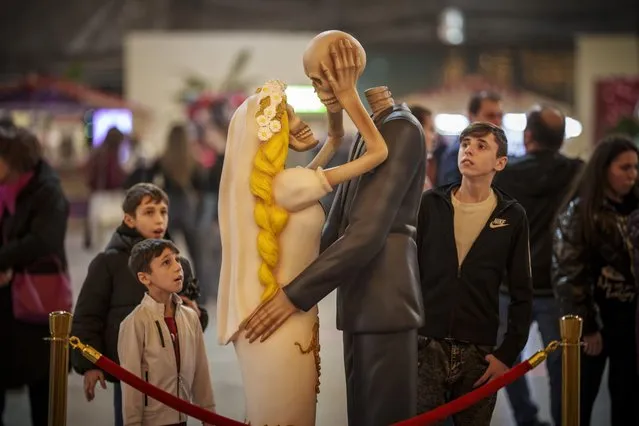
People look at a skeleton couple kissing installation dubbed “Till Death Do Us Part” during a Valentine's Day event in Bucharest, Romania, Tuesday, February 13, 2024. (Photo by Vadim Ghirda/AP Photo)
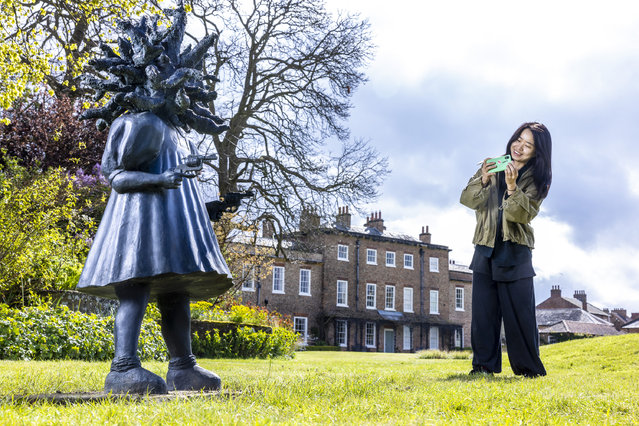
Laura Ford’s 1991 sculpture Twiglet has been installed at Thirsk Hall Sculpture Garden, North Yorkshire, UK in the last decade of April 2024. (Photo by James Glossop/The Times)
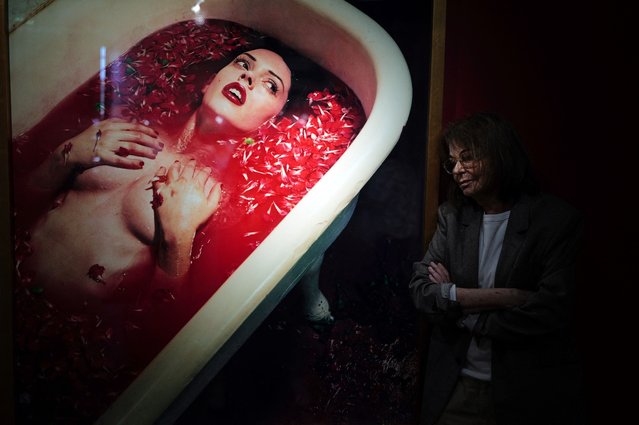
French photographer Bettina Rheims poses next to her work, two days before the opening of her exhibition “Pourquoi m'as-tu abandonnée ?” (Why did you abandon me?) at the Museum of Photography Charles Negre, in Nice on June 13, 2024. (Photo by Valery Hache/AFP Photo)
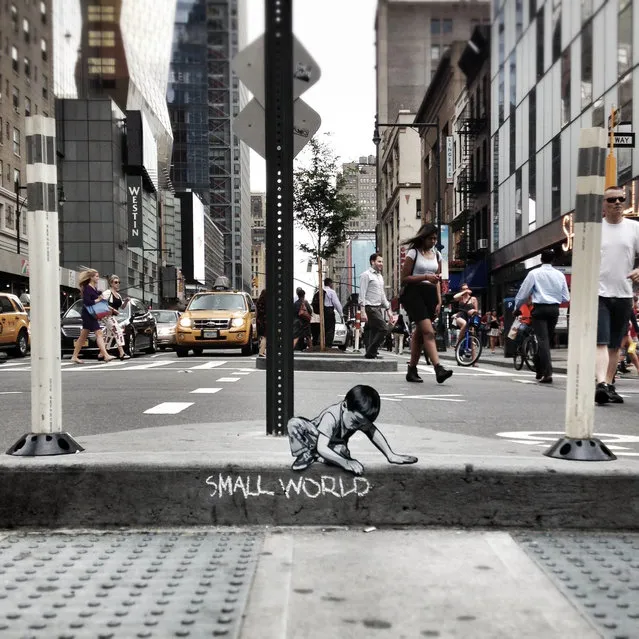
New Jersey based artist, Joe Iurato creates art using hand-cut paper and spray paint to make small wood cutout figures and placed in public spaces. According to Iurato, “a puddle can become a lake, a small crack in a cement wall can become a magnificent climb, a planter box can become a place for a child to play, and a shadow might be a tangible space for a few seconds a day”. Photo: “Small World”. (Photo by Joe Lurato)
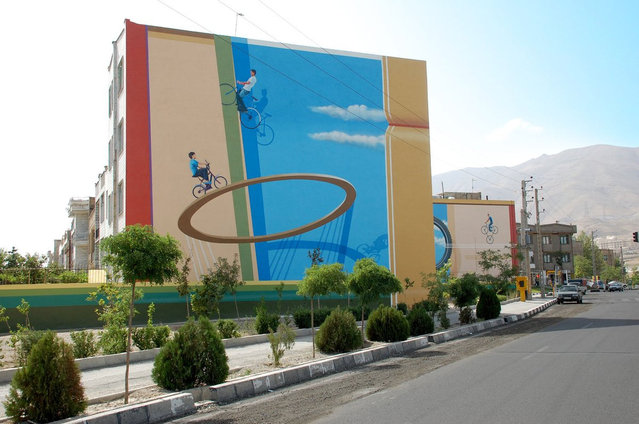
Iranian artist and designer Mehdi Ghadyanloo, with the help of the municipality, is slowly brightening up the city of Tehran one wall at a time. The 33-year old street artist has been painting murals and walls in Tehran for the last 5 years age, during which he’s reported to have painted over one hundred walls.
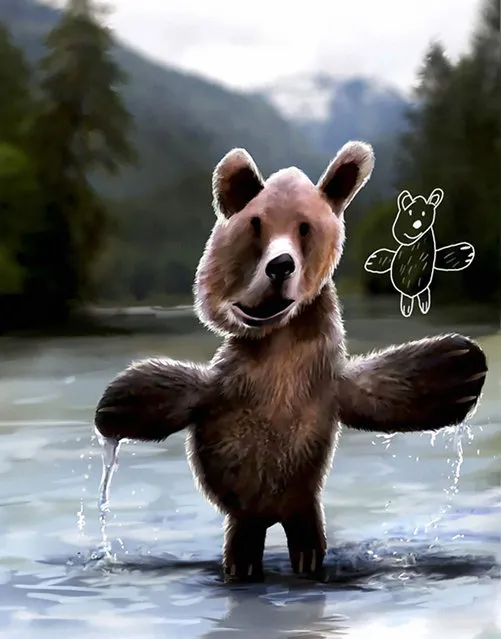
Dutch muralist Telmo Pieper turned his childhood drawings into toys. He digitally recreated his childhood paper drawings into the shape of reality with the help of Photoshop. The art series contain toys of weirdest looking animals. Animals like alien looking fly, snail with world’s smallest shell and shoe-shaped whale are the part of his kiddie art series. Take a look and enjoy the memories of your childhood as well.
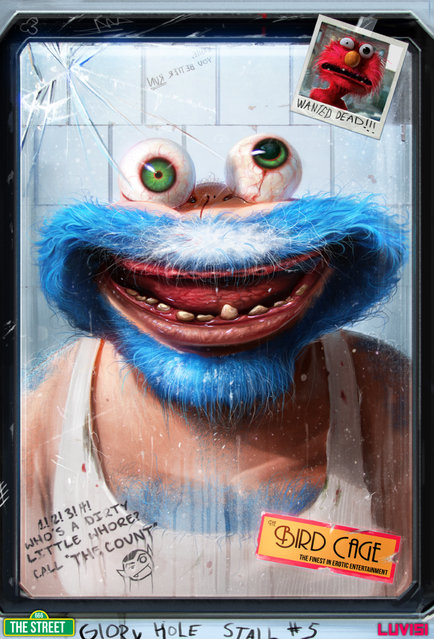
Dan Luvisi reimagines beloved animated characters and turns them into grimy, twisted, hideous personas that may have just scarred us of our fondest memories from childhood forever. Photo: “The Cook”. (Photo by Dan Luvisi)
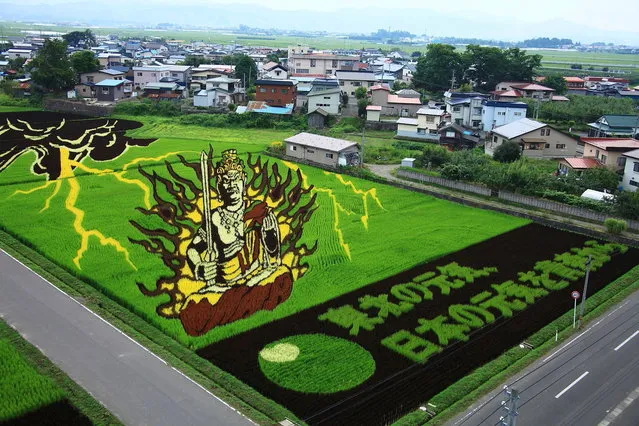
Tanbo Art is the strategic planting of four varieties of rice which have different colored leaves in order to create a giant image in the rice paddy. This type of aesthetic planting began in the Japanese village of Inakadate in 1993 in order to celebrate the village’s over 2000 year history of rice farming. The practice has spread to other rice cultivating communities in Japan and even other countries such as Thailand and South Korea.