A woman dressed up as a zombie takes part in a zombie walk in the Gaslamp Quarter during the Comic Con International convention in San Diego, California July 13, 2012. (Photo by Mario Anzuoni/Reuters)
Contestants walk on stage during the “mini-miss” beauty contest in Bobigny, Paris suburb, September 22, 2012. The competition is open for girls aged 7 to 12. (Photo by Benoit Tessier/Reuters)
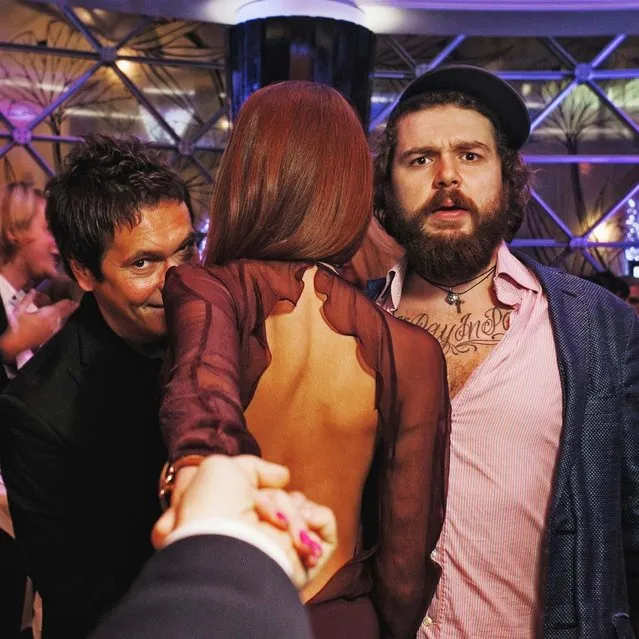
This photographer has promised to his girlfriend Belmar that he will follow her all over the world. The Russian photographer has realized this photo collection from various places all over the world. staying always behind his girlfriend. We don’t see the face of her, but he loved her so much dedicating this photography set.
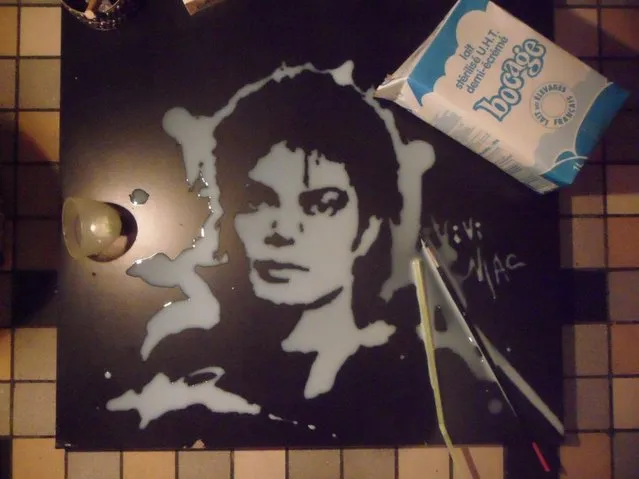
Vivi Mac, an amazing artist from France who can use virtually any kind of food to create detailed celebrity portraits. Although she has yet to display her ephemeral masterpieces in an proper art gallery, Vivi Mac has already made a name for herself online.
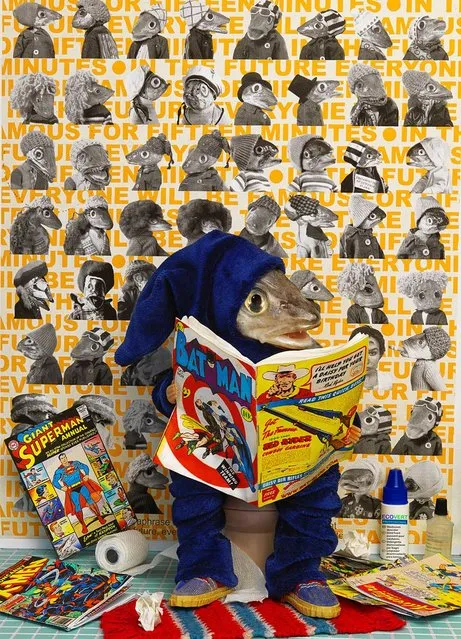
The 37-year-old French artist Anne-Catherine Becker Echivard’s latest artworks were inspired by the silent movies of Charlie Chaplin and Buster Keaton; she uses real-life smelly fish heads as her models for some photos that depict everyday life to address topics.
New York based artist Jason Freeny slices open pop-culture characters to reveal their insides. He takes vinyl toys of annimated icons such as Stewie Griffin, Nemo and Mario, and stuffs them with Sculpey modelling clay. He then carves out bones aqnd organs using dental tools.
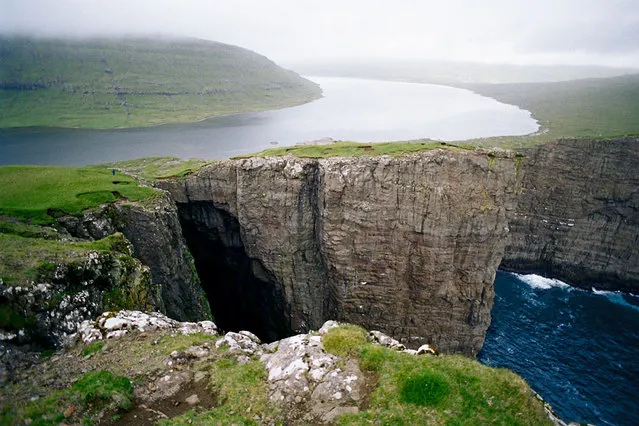
Located on the island of Vagar, in the Faroe Islands, Lake Sorvagsvatn (also known as Leitisvatn) is an amazing lake. What makes the lake interesting is its two different levels. Covering an area of 3.4 square kilometers, it is the biggest lake of the Faroe Islands. Faroe Islands is a group of 18 islands that make Faroe Islands Archipelago in the North Atlantic Ocean. The lake is located about 30 meters above the sea level.
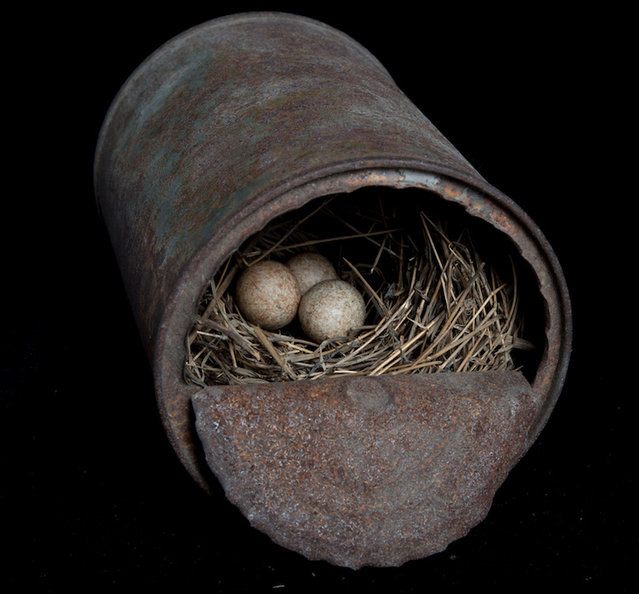
Sharon Beals is a San Francisco based photographer who has photographed nest and eggs specimens collected over the last two centuries at The California Academy of Sciences, The Museum of Vertebrate Zoology, and The Western Foundation of Vertebrate Zoology. While few nests are collected today, these nests and eggs are used for research, providing important information about their builder’s habitats, DNA, diseases and other survival issues.