Loading...
Done
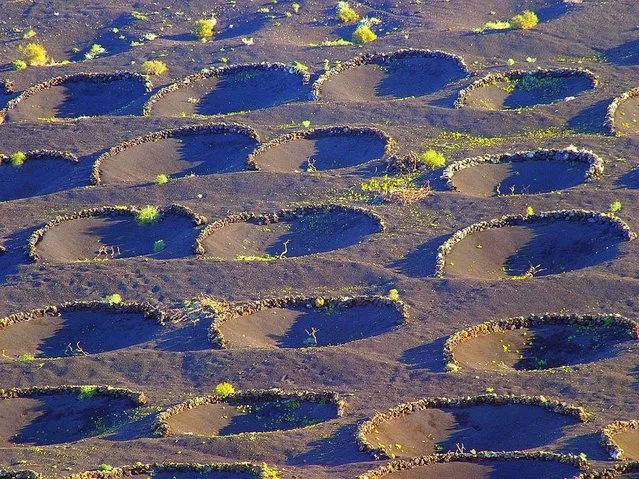
Grapes Born of Volcano In Lanzarote, Spanish

The valley of La Geria, which has been declared a 'Protected Area', is Lanzarote’s main wine-growing region, occupying about 20 square miles (52 square kilometres) and stretching on both sides of the road from Masdache to Uga and right up to the volcanic slopes. This area produces most of Lanzarote’s excellent wines, of which 75 per cent are made from the Malvasía grape, one of the oldest known grape varieties. Best known as a honey-coloured, very sweet wine with a rich flavour, already praised by Shakespeare hundreds of years ago, today the Malvasía grape produces a wide variety of quality white, red or rosé wines, from very sweet to very dry.
Details
31 Oct 2013 09:10:00
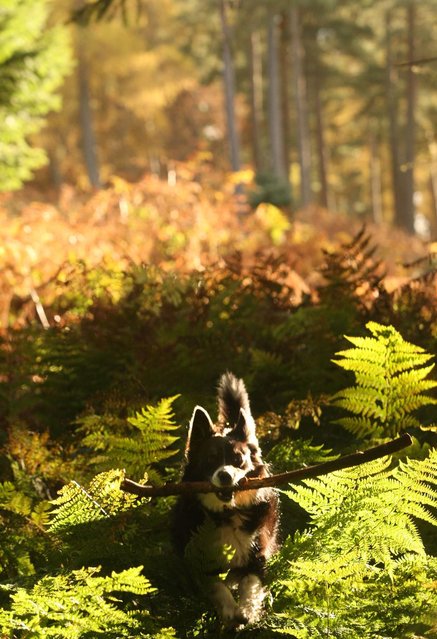
A dog runs through a wood in the Autumn light, Scottish Borders. (Photo by David Cheskin/PA Wire)

A dog runs through a wood in the Autumn light, Scottish Borders. (Photo by David Cheskin/PA Wire)
Details
30 Oct 2013 11:05:00
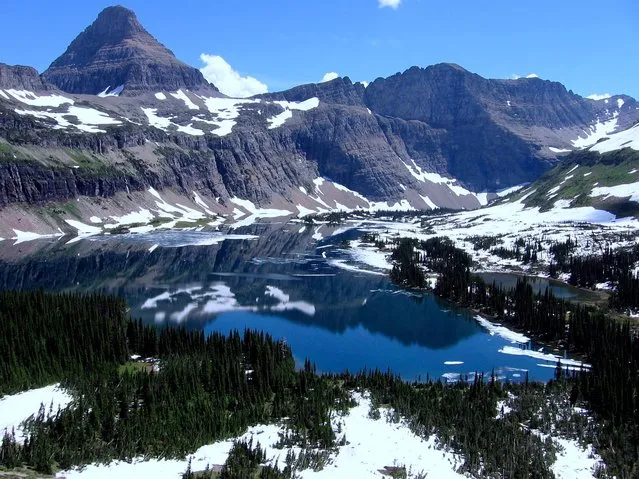
Glacier National Park Montana

Glacier National Park is a national park located in the U.S. state of Montana, on the Canada–United States border with the Canadian provinces of Alberta and British Columbia. The park encompasses over 1,000,000 acres (4,000 km2) and includes parts of two mountain ranges (sub-ranges of the Rocky Mountains), over 130 named lakes, more than 1,000 different species of plants and hundreds of species of animals. This vast pristine ecosystem is the centerpiece of what has been referred to as the "Crown of the Continent Ecosystem", a region of protected land encompassing 16,000 square miles (41,000 km2).
Details
29 Oct 2013 11:13:00
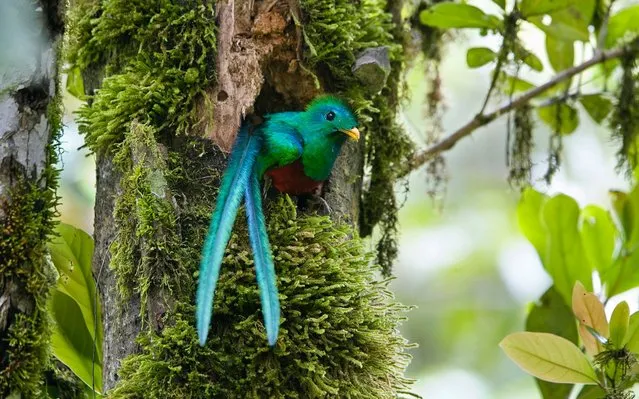
Resplendent Quetzal

The Resplendent Quetzal (Pharomachrus mocinno) is a bird in the trogon family. It is found from southern Mexico to western Panama (unlike the other quetzals of the genus Pharomachrus, which are found in South America and eastern Panama). It is well known for its colorful plumage.
Details
28 Oct 2013 10:52:00
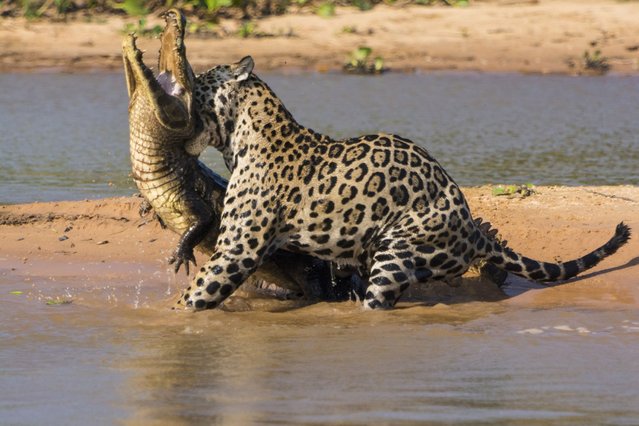
Jaguar attacks a Yacare Caiman. (Photo by Barcroft Media)

These stunning images show the 20-stone cat striking with lightning speed while the eight-foot reptile basks on a river island. The scene unfolded by the Cuiabá River in the Pantanal Wetlands of western Brazil. Photo: Jaguar attacks a Yacare Caiman. (Photo by Barcroft Media)
Details
28 Oct 2013 10:17:00
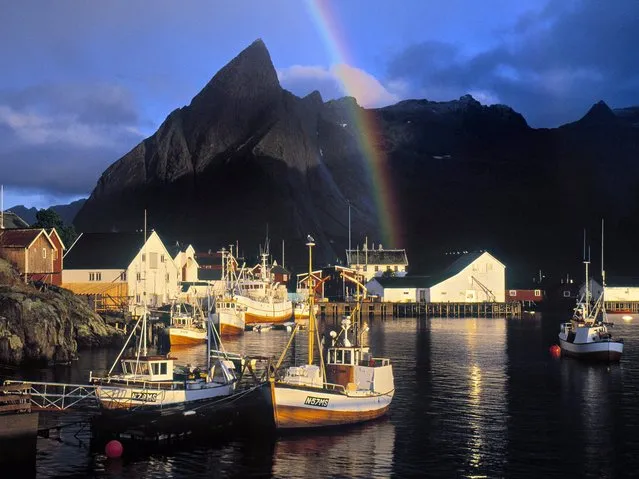
Lofoten Island, Norway

Lofoten is an archipelago and a traditional district in the county of Nordland, Norway. Though lying within the Arctic Circle, the archipelago experiences one of the world's largest elevated temperature anomalies relative to its high latitude.
Details
25 Oct 2013 10:15:00
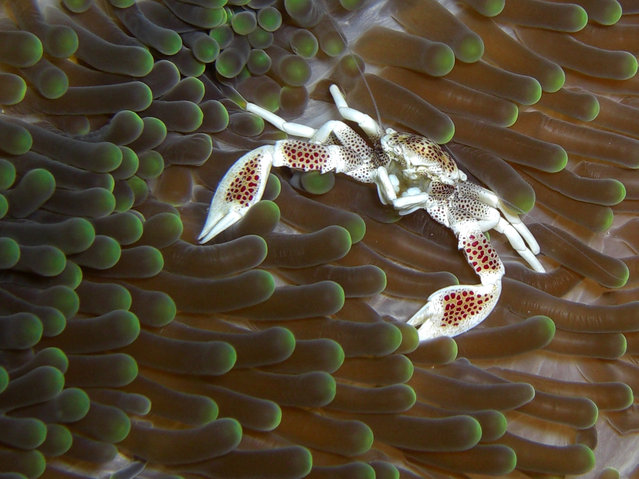
Porcelain Crab. (Photo by David M. Hogan)

Porcelain Crab. (Photo by David M. Hogan)
Details
25 Oct 2013 08:13:00
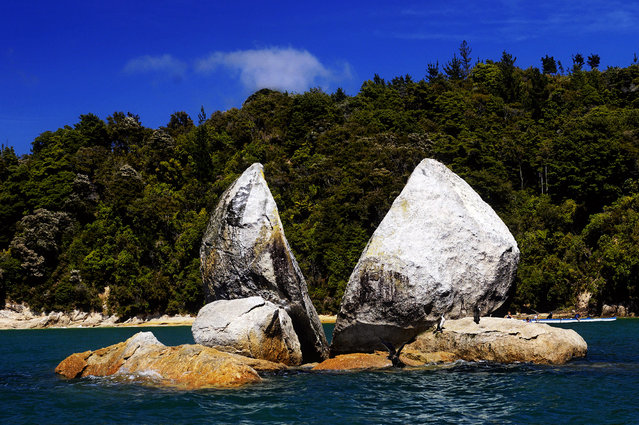
Split Apple Rock

Split Apple Rock is a geological rock formation in The Tasman Bay off the northern coast of the South Island of New Zealand. Made of granite, it is in the shape of an apple which has been cut in half. It is a popular tourist attraction in the waters of the Tasman Sea approximately 50 metres off the coast between Kaiteriteri and Marahau. The rock sits in shallow water at low tide and is accessible by wading. It is also a point of interest for the many tourist boats and pleasure craft which operate along the shores of the Abel Tasman National Park. The cleft to produce two sides of the 'apple' was a natural occurrence. It is unknown when this happened and therefore the cleaving of the rock has attracted mythological explanations.
Details
19 Oct 2013 10:58:00