Loading...
Done
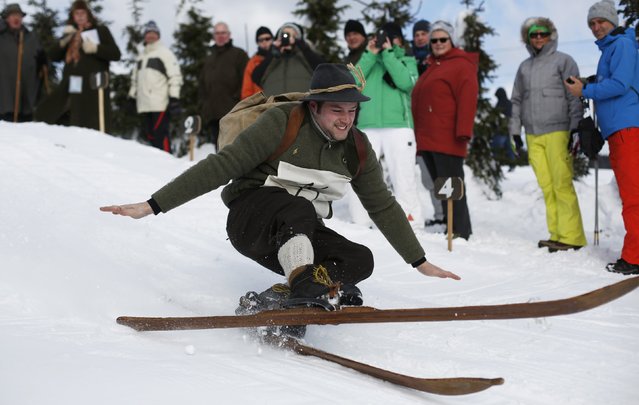
A participant competes in the “Nostalgic Ski Race” in the western town of Neuastenberg February 8, 2015. The “Nostalgic Ski Race” is held every two years with about 40 participants and is organized by the ski club of Neuastenberg, a town which was founded in 1713. The conditions for the participation in the race are vintage skis and dresses. (Photo by Ina Fassbender/Reuters)

A participant competes in the “Nostalgic Ski Race” in the western town of Neuastenberg February 8, 2015. The “Nostalgic Ski Race” is held every two years with about 40 participants and is organized by the ski club of Neuastenberg, a town which was founded in 1713. The conditions for the participation in the race are vintage skis and dresses. (Photo by Ina Fassbender/Reuters)
Details
09 Feb 2015 11:24:00
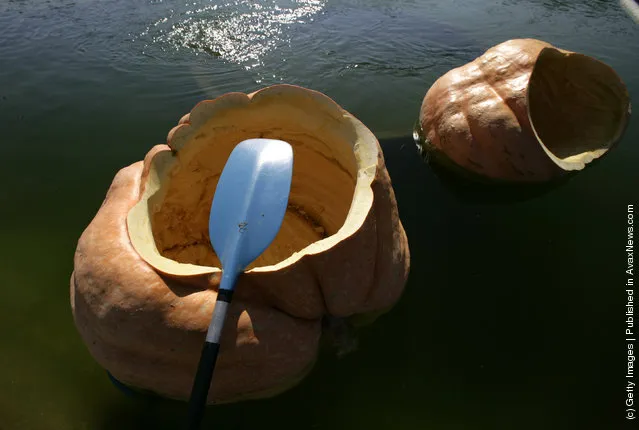
Giant pumpkin race

Hollowed pumpkins float on a lake Ludwigsburg Castle on September 19, 2010 in Ludwigsburg, Germany. (Photo by Ralph Orlowski/Getty Images)
Details
04 Sep 2011 13:34:00
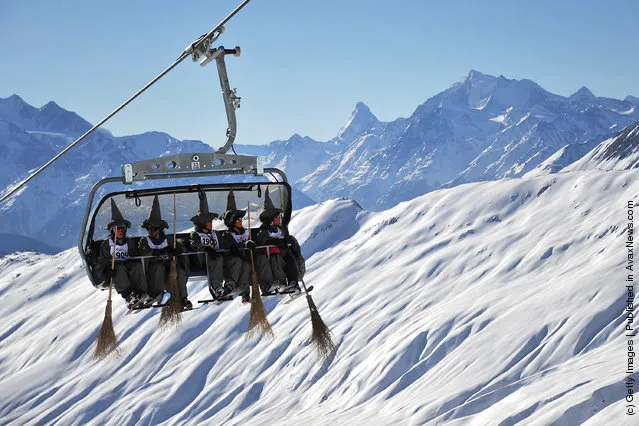
Participants take part in the 30th edition of the Belalp Witches Ski Race

Participants sit on a cable chair as they take part in the 30th edition of the Belalp Witches Ski Race on January 14, 2012 in Belalp, Switzerland. The race is inspired by a legend dating back to the middle ages, of a witch who tormented villagers in the area until she was burnt to death. (Photo by Harold Cunningham/Getty Images)
Details
16 Jan 2012 12:35:00


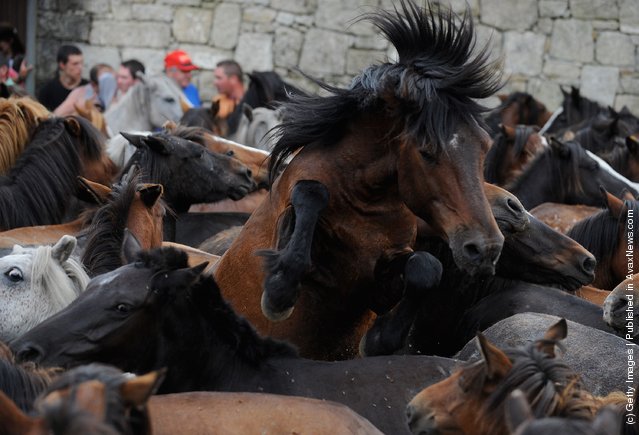
“Rapa das Bestas is the name of an operation that involves cutting the manes of the horses that are performed in the curros (enclosed which retain the horses) held in various locations in Galicia (Spain).

The best known is the Rapa das Bestas of Sabucedo, in the city hall of A Estrada, which lasts three days: the First Saturday, Sunday and Monday in July. In fact, the name given to the celebration (Rapa das Bestas of Sabucedo), while in most places speaking about curros, including curros de Valga, etc”. – Wikipedia

Photo: A wild horse leaps up during the Rapa das Bestas (shearing of the beasts) festival on July 2, 2011 in Sabucedo, Spain. Hundreds of wild horses are rounded up from the mountains and trimmed and marked in the corral. (Photo by Denis Doyle/Getty Images)
Details
03 Jul 2011 12:30:00
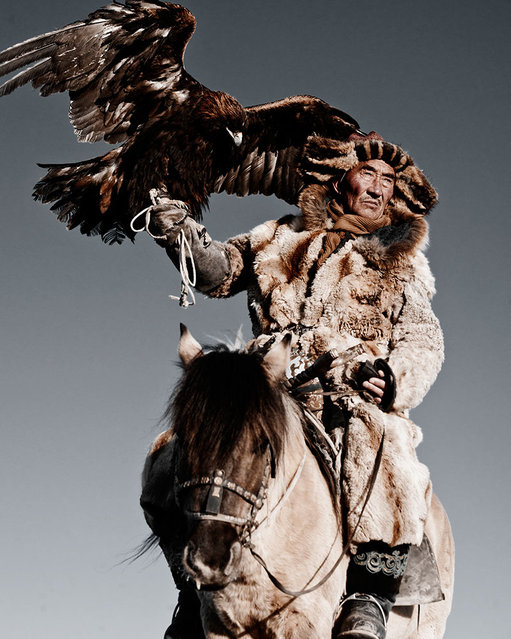
Fine Horses And Fierce Eagles Are The wings Of The Kazakh

The Kazakhs are the descendants of Turkic, Mongolic and Indo-Iranian tribes and Huns that populated the territory between Siberia and the Black Sea. They are a semi-nomadic people and have roamed the mountains and valleys of western Mongolia with their herds since the 19th century. The ancient art of eagle hunting is one of many traditions and skills that the Kazakhs have, in recent decades, been able to hold on to. They rely on their clan and herds, believing in pre-Islamic cults of the sky, the ancestors, fire and the supernatural forces of good and evil spirits.
Details
20 Feb 2014 12:12:00
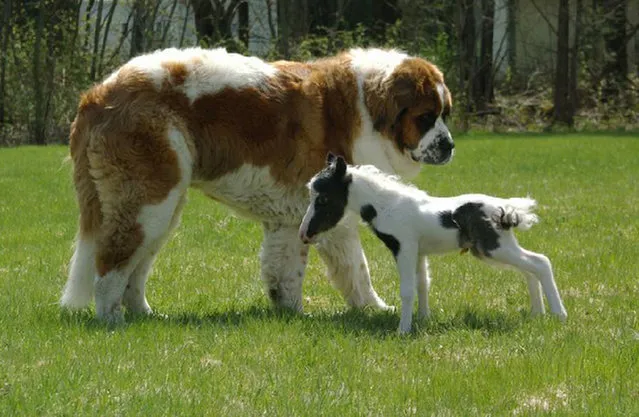
The World’s Smallest Horse by  named Einstein

The World’s Smallest Horse according to Guinness World Records is Thumbelina from Missouri, but another tiny horse named Einstein.

Please Subscribe To: Our Youtube Channel
Details
21 Nov 2016 13:05:00
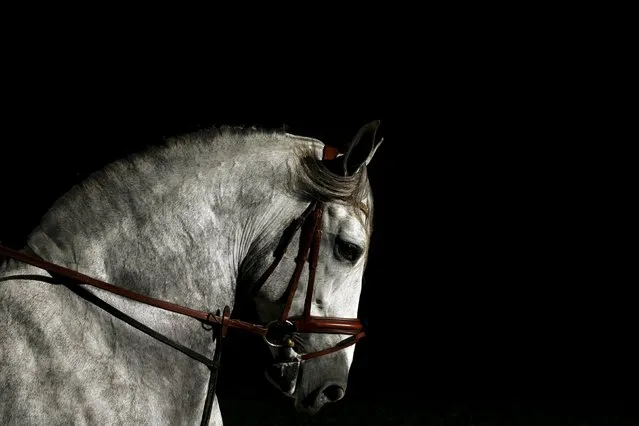
A purebred Spanish horse is pictured during the Sicab International Pre Horse Fair which is dedicated in full and exclusively to the purebred Spanish horse in the Andalusian capital of Seville, southern Spain November 17, 2015. (Photo by Marcelo del Pozo/Reuters)

A purebred Spanish horse is pictured during the Sicab International Pre Horse Fair which is dedicated in full and exclusively to the purebred Spanish horse in the Andalusian capital of Seville, southern Spain November 17, 2015. (Photo by Marcelo del Pozo/Reuters)
Details
19 Nov 2015 08:03:00
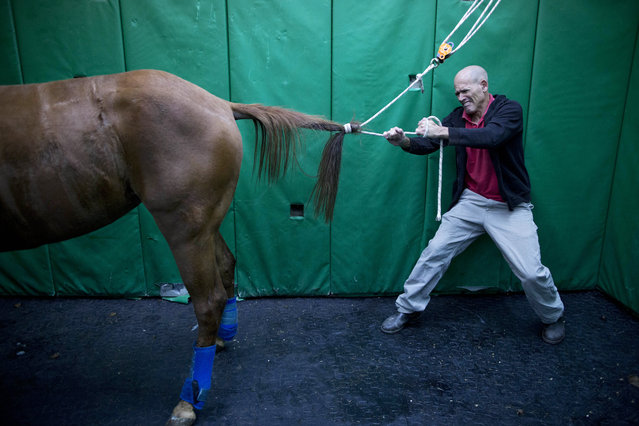
In this Wednesday, December 2, 2015 photo, Dr. Gal Kelmer, head of the department of large animals, unties a horse after its operation at the University's Koret School of Veterinary Medicine in Rishon Lezion, Israel. “Horses have an instinctive response of flight from danger”, Kelmer said. “The minute they wake up they start trying to stand and run, even if they don't have control of their limbs. So then they fall”. (Photo by Oded Balilty/AP Photo)

In this Wednesday, December 2, 2015 photo, Dr. Gal Kelmer, head of the department of large animals, unties a horse after its operation at the University's Koret School of Veterinary Medicine in Rishon Lezion, Israel. “Horses have an instinctive response of flight from danger”, Kelmer said. “The minute they wake up they start trying to stand and run, even if they don't have control of their limbs. So then they fall”. (Photo by Oded Balilty/AP Photo)
Details
15 Dec 2015 08:04:00