Loading...
Done
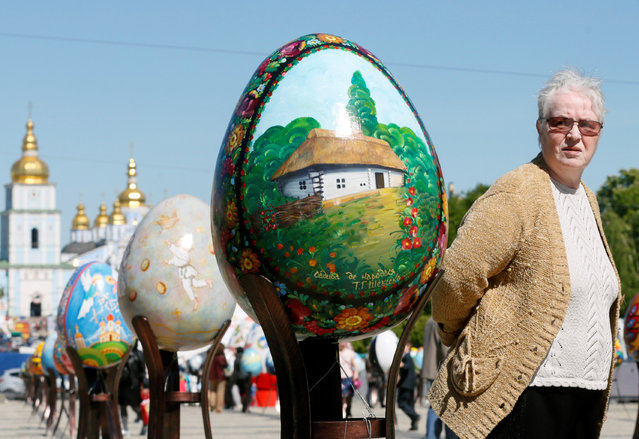
A woman looks at traditional Ukrainian Easter eggs “Pysanka”, installed as part of the upcoming celebrations of Easter, in central Kiev, Ukraine, April 29, 2016. A pysanka is a Ukrainian Easter egg, decorated with traditional Ukrainian folk designs using a wax-resist (batik) method. The word pysanka comes from the verb pysaty, “to write”, as the designs are not painted on, but written with beeswax. Many other eastern European ethnic groups decorate eggs using wax resist for Easter. These include the Belarusians, Bulgarians, Croats, Czechs, Hungarians, Lithuanians, Poles, Romanians, Serbs, Slovaks, Slovenes and Sorbs. (Photo by Valentyn Ogirenko/Reuters)

A woman looks at traditional Ukrainian Easter eggs “Pysanka”, installed as part of the upcoming celebrations of Easter, in central Kiev, Ukraine, April 29, 2016. A pysanka is a Ukrainian Easter egg, decorated with traditional Ukrainian folk designs using a wax-resist (batik) method. The word pysanka comes from the verb pysaty, “to write”, as the designs are not painted on, but written with beeswax. Many other eastern European ethnic groups decorate eggs using wax resist for Easter. These include the Belarusians, Bulgarians, Croats, Czechs, Hungarians, Lithuanians, Poles, Romanians, Serbs, Slovaks, Slovenes and Sorbs. (Photo by Valentyn Ogirenko/Reuters)
Details
30 Apr 2016 09:00:00


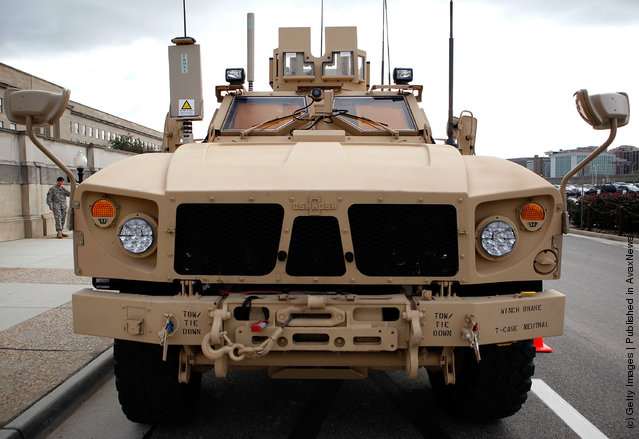
The Oshkosh M-ATV – MRAP (Mine Resistant Ambush Protected) vehicle developed by the Oshkosh Corporation of Oshkosh, Wisconsin. It is designed to provide the same levels of protection as the larger and heavier previous MRAPs but with improved mobility and it is intended to replace M1114 HMMWVs. (wikipedia) (Photo by Alex Wong/Getty Images)
Details
22 Nov 2011 04:03:00
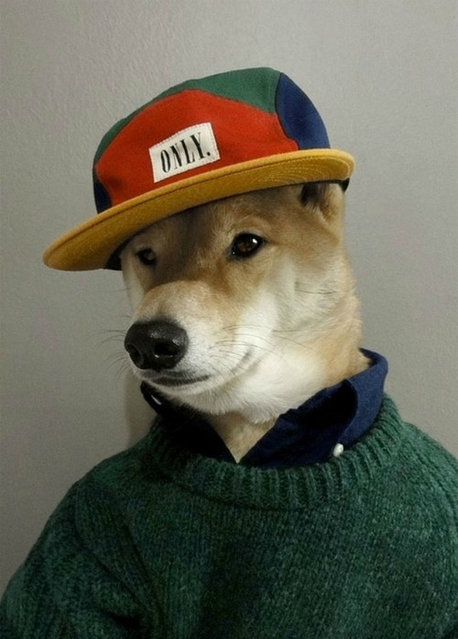
 Menswear Dog By  David Fung

Here is a dog named Bodhi. By the will of fate, and he became bored hosts the star of the Internet. The story begins with the moment when the head designer David Fung and his girlfriend Yena Kim came a strange idea – to put their pet in human clothes. The dog was very photogenic.
Details
05 Mar 2013 09:28:00


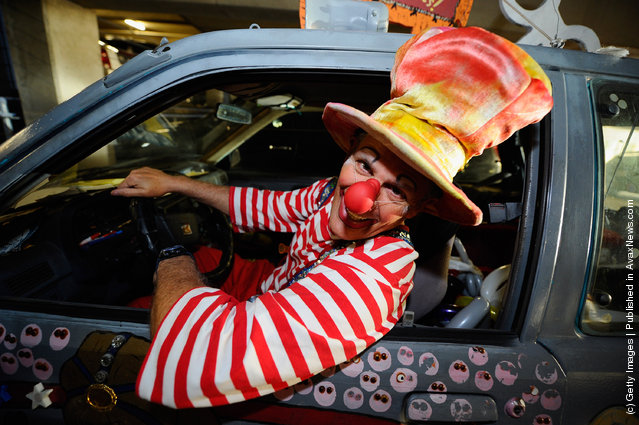
Andy Swan “Zippy the Clown” from Sacramento, California, drives his “elelphant” car during a break at the 2011 Clowns of America International Convention on April 15, 2011 in Anaheim, California. Several hundred clowns, from all over the United States and from as far as Puerto Rico and Germany, are attending the convention to compete in skits and hone their skills in the art of balloon-making and face-painting. (Photo by Kevork Djansezian/Getty Images)
Details
16 Apr 2011 07:51:00


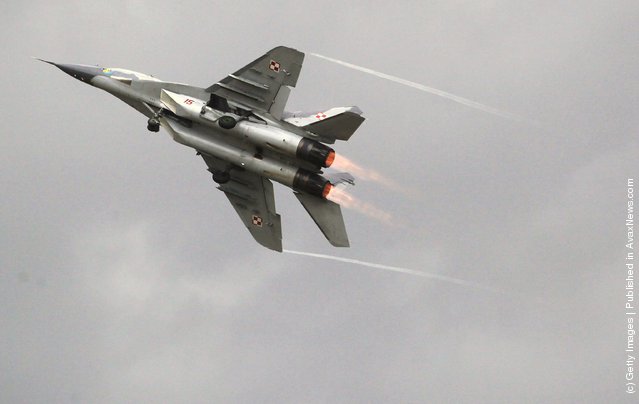
A Polish MiG-29 flies beneath dark skies at the annual RNAS Yeovilton Air Day on July 9, 2011 in Yeovil, England. The annual air day at RNAS Yeovilton in Somerset, attracts over 35,000 people to what is one of the biggest air shows in the region and gives visitors the chance to see a host of aircraft as well as a number of historic and classic cars. (Photo by Matt Cardy/Getty Images)
Details
11 Jul 2011 11:02:00
The Dubai Miracle Garden

The Dubai Miracle Garden is unique in that it was essentially built on a desert. Head landscaper Akar says that the grounds are a great example of how it is possible to “green the desert” by reusing waste water. Designers took additional precautions to protect the beautiful garden arrangements from the environment. For instance, the garden’s perimeter is lined with trees that are used as windbreakers. Unlike most of the gardens around the world, the Dubai Miracle Garden closes during the summer due to severe weather conditions.
Details
17 May 2015 09:00:00
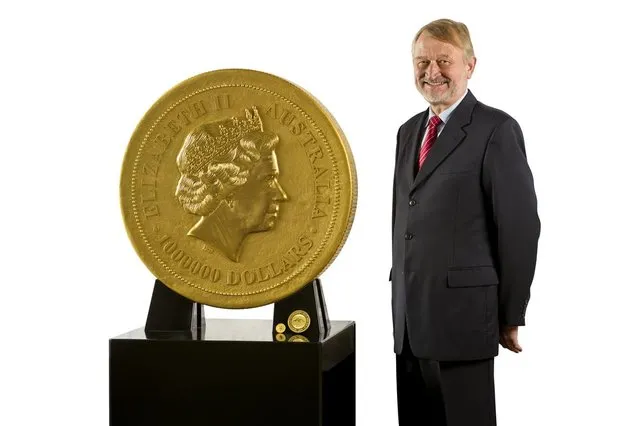
1 Tonne Gold Kangaroo Coin

The first Australian Kangaroo gold coin issued by The Perth Mint in 1989 featured an iconic bounding Red Kangaroo. Designed by Dr Stuart Devlin AO CMG, goldsmith and jeweller to Her Majesty Queen Elizabeth II, this classic creation has since been featured on the kilo release each year in the highly sought-after bullion series.
Details
31 Aug 2014 15:21:00
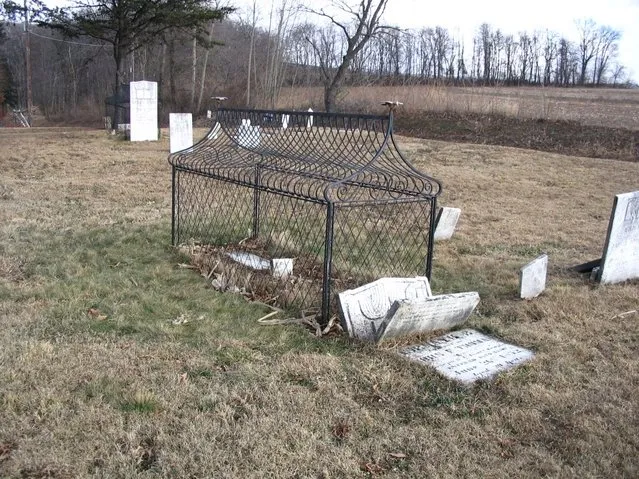
Mortsafe - Protection From The Dead

Mortsafes were contraptions designed to protect graves from disturbance. Resurrectionists had supplied the schools of anatomy in Scotland since the early 18th century. This was due to the necessity for medical students to learn anatomy by attending dissections of human subjects, which was frustrated by the very limited allowance of dead bodies – for example the corpses of executed criminals – granted by the government, which controlled the supply.
Details
29 Nov 2013 12:03:00