Loading...
Done
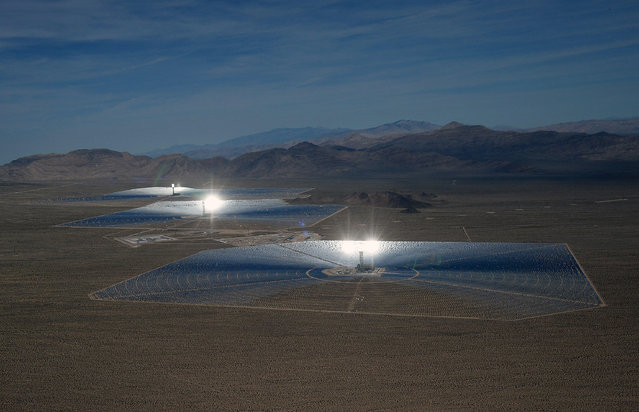
The Ivanpah Solar Electric Generating System is seen in an aerial view on February 20, 2014 in the Mojave Desert in California near Primm, Nevada. (Photo by Ethan Miller/Getty Images)

The Ivanpah Solar Electric Generating System is seen in an aerial view on February 20, 2014 in the Mojave Desert in California near Primm, Nevada. The largest solar thermal power-tower system in the world, owned by NRG Energy, Google and BrightSource Energy, opened last week in the Ivanpah Dry Lake and uses 347,000 computer-controlled mirrors to focus sunlight onto boilers on top of three 459-foot towers, where water is heated to produce steam to power turbines providing power to more than 140,000 California homes. (Photo by Ethan Miller/Getty Images)
Details
14 Apr 2014 11:01:00
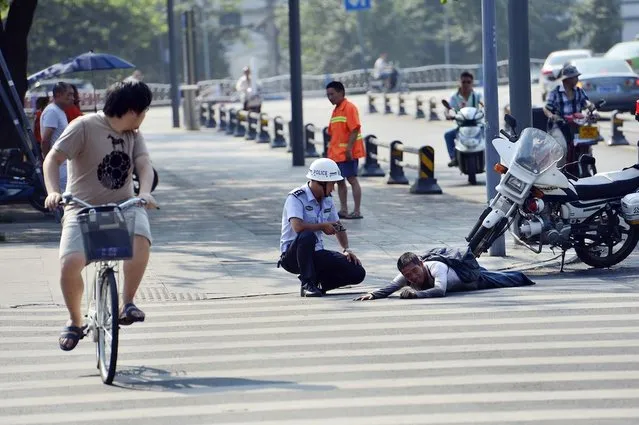
A beggar who lay at the side of a road pretending he had no legs was moved on by police who made him stand up and walk away. The man lay slumped on his front in Chengdu, in Sichuan Province, China, with his legs tucked under him, and his jeans stretched out to make it appear he had no legs. He is approached by a police officer, who bends down and talks to him for some moments. (Photo by Rex Features)

A beggar who lay at the side of a road pretending he had no legs was moved on by police who made him stand up and walk away. The man lay slumped on his front in Chengdu, in Sichuan Province, China, with his legs tucked under him, and his jeans stretched out to make it appear he had no legs. He is approached by a police officer, who bends down and talks to him for some moments. The officer then reaches out and helps the man to his feet before guiding him across the road. Chengdu is one of a number of cities where officials have tried to clamp down on begging. (Photo by Rex Features)
Details
29 Jul 2014 11:25:00
“Remember”. (Federico Bebber)

“Federico Bebber was born in 1974 in Udine, Italy. Since 1998 he deals with digital art. He uses digital tools based on photography. His creative process usually takes place slowly and at night”. Photo: “Remember”. (Photo by Federico Bebber)


Details
29 Jan 2013 12:24:00
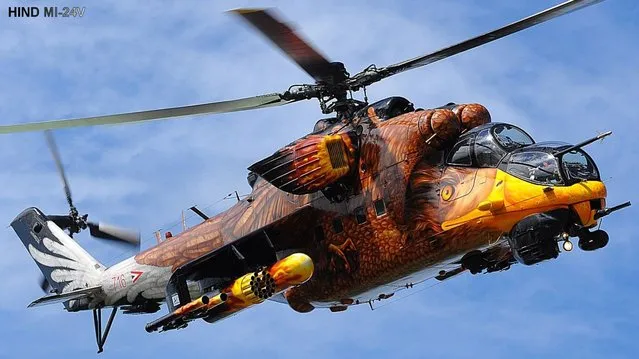
Painted Mil Mi-24 Hind

The pictures are not of an American helicopter, but of a Russian MI-24 "Hind" assault helicopter. It was used extensively by the Soviets in Afghanistan but this paint-job does not appear to be for combat. We suspect it is for purposes of promotion or public performance. There are some pictures of it on display at an air show at Szentkirályszabadja, Hungary. Whether there are others like it, we don't know, the the only pictures of this paint scheme are all on the same helicopter designated number 117.
Details
30 Jun 2013 11:04:00
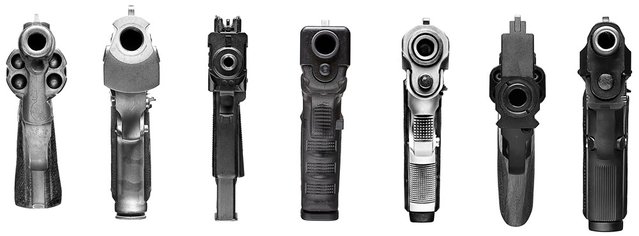
“Point Blank” – Gun Series by Peter Andrew. (Photo by Peter Andrew)

“Guns have a massive amount of power associated with them. They are designed to kill. We decided to photograph portraits of them in a similar way you might photograph a powerful person. Like powerful people, pistols have this “perfect” quality that we wanted to explore. As we started shooting them, we could see flaws in their design. Metal burring around the barrels, scratches in the metal. This imperfection and detail were very interesting to us; connecting us back to these images as portraits”. – Peter Andrew. (Photo by Peter Andrew/Simon Duffy/Derek Blais)
Details
26 Aug 2013 10:03:00
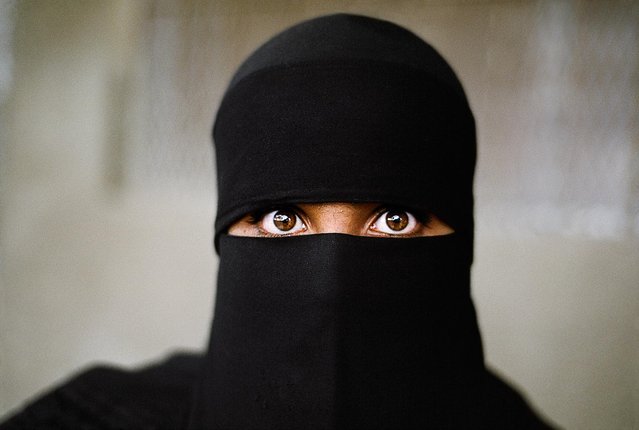
Sanaa, Yemen. (Photo by Steve McCurry)

Sanaa, Yemen. (Photo by Steve McCurry)
Details
13 Sep 2013 10:57:00
Willi Dorner, Bodies in Urban Spaces, September 26, 2010

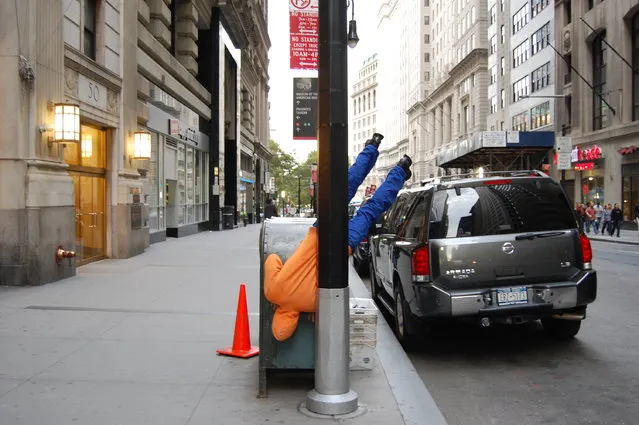
“Bodies in urban spaces” is a temporarily intervention in diversified urban architectonical environment. The intention of “bodies in urban spaces” is to point out the urban functional structure and to uncover the restricted movement possibilities and behavior as well as rules and limitations. Photo: “Bodies in Urban Spaces”, September 26, 2010. (Photos by Andrew Russeth)
Details
16 Sep 2013 09:32:00
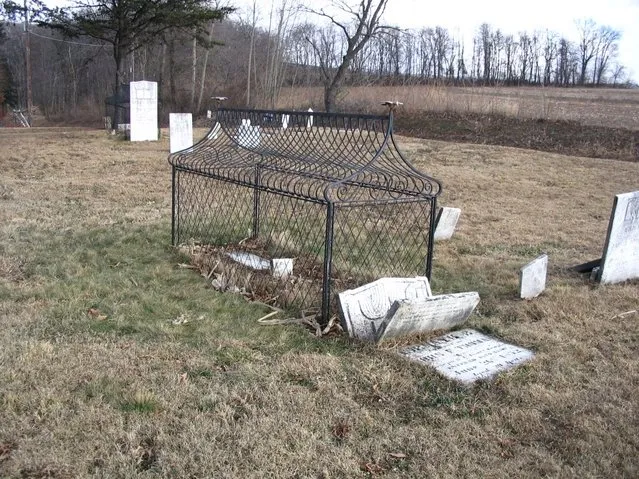
Mortsafe - Protection From The Dead

Mortsafes were contraptions designed to protect graves from disturbance. Resurrectionists had supplied the schools of anatomy in Scotland since the early 18th century. This was due to the necessity for medical students to learn anatomy by attending dissections of human subjects, which was frustrated by the very limited allowance of dead bodies – for example the corpses of executed criminals – granted by the government, which controlled the supply.
Details
29 Nov 2013 12:03:00