Loading...
Done
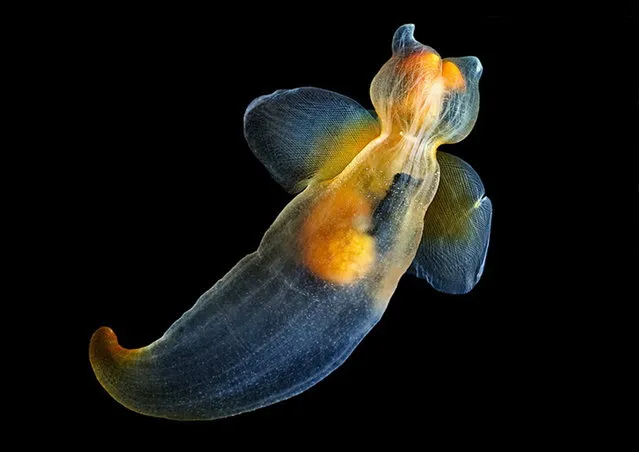
Underwater Photography By Alexander Semenov

In 2007, I graduated from Lomonosov’s Moscow State University in the department of Zoology. I specialized in the study of invertebrate animals, with an emphasis on squid brains. Soon after, I began working at the White Sea Biological Station (WSBS) as a senior laborer. WSBS has a dive station, which is great for all sorts of underwater scientific needs, and after 4 years working there, I became chief of our diving team. I now organize all WSBS underwater projects and dive by myself with a great pleasure and always with a camera.
Details
05 Feb 2013 15:28:00
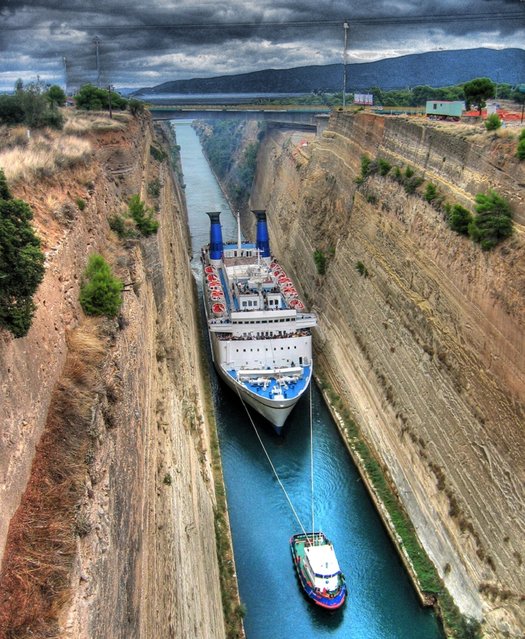
Corinth Canal

The Corinth Canal is a canal that connects the Gulf of Corinth with the Saronic Gulf in the Aegean Sea. It cuts through the narrow Isthmus of Corinth and separates the Peloponnesian peninsula from the Greek mainland, thus effectively making the former an island. The builders dug the canal through the Isthmus at sea level; no locks are employed. It is 6.4 kilometres (4.0 mi) in length and only 21.3 metres (70 ft) wide at its base, making it unpassable for most modern ships. It now has little economic importance.

Details
12 Mar 2013 12:21:00
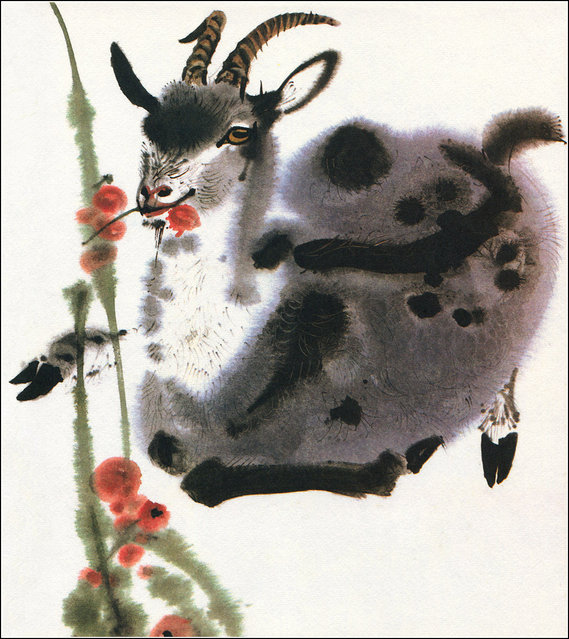
Alfred Könner, “Bilderzoo” by Illustrator Mirko Hanák

Mirko Hanák was born in 1921 in Prague, Czech Republic and worked as a painter, graphic designer and illustrator. His specialties were animals and human figures that were full of life and fun. He also had a firm grasp on composition as his paintings were so well balanced despite his casual fluid line. He was working on “Charlotte's Web” the movie when he tragically died at the height of his career from leukemia in 1971.
Details
18 Mar 2013 10:13:00
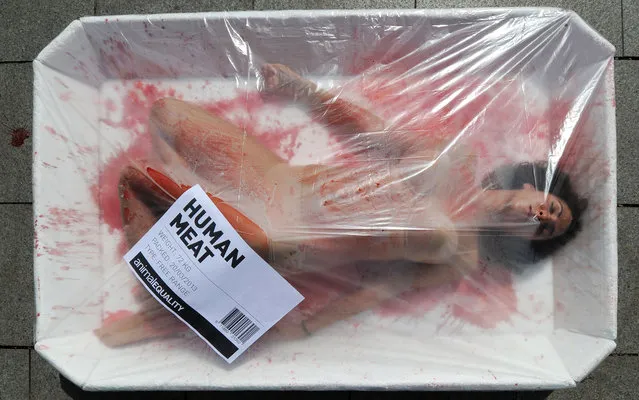
Ativista do grupo Igualdade Animal posa dentro de um enorme pacote de carne na Praça da Catedral, em Barcelona, Espanha. O ato marca uma campanha por um dia mundial sem carne. (Photo by Lluis Gene/AFP Photo)

Animal rights activists from the group “Animal Equality” are covered with plastic sheets to represent meat packaging as they stage a protest during “Day Without Meat” event in Barcelona, Spain, on March 20, 2013. (Photo by Lluis Gene/AFP Photo)
Details
21 Mar 2013 15:18:00
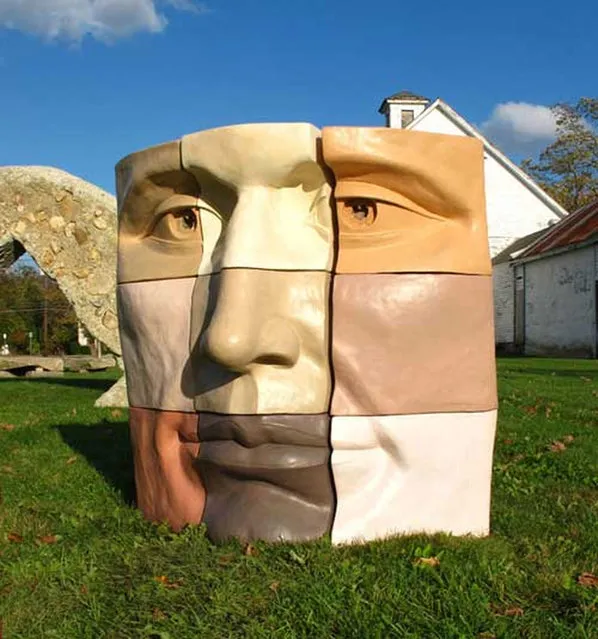
Surrealistic Sculptures By Michael Alfano

American sculptor Michael Alfano has been sculpting for over fifteen years. A native of New York, he now lives and works in Hopkinton, Massachusetts. His major influences are Salvador Dali, Jo Davidson, and Jean-Antoine Houdon, as well as Buddhist, Taoist, Sufi and other eastern philosophy and literature. He first studied at the Art Students League of New York, with an emphasis on life-size sculpture from the model. His formal education continued at Boston University and was augmented by internships with several prominent sculptors.
Details
21 Jul 2013 10:18:00
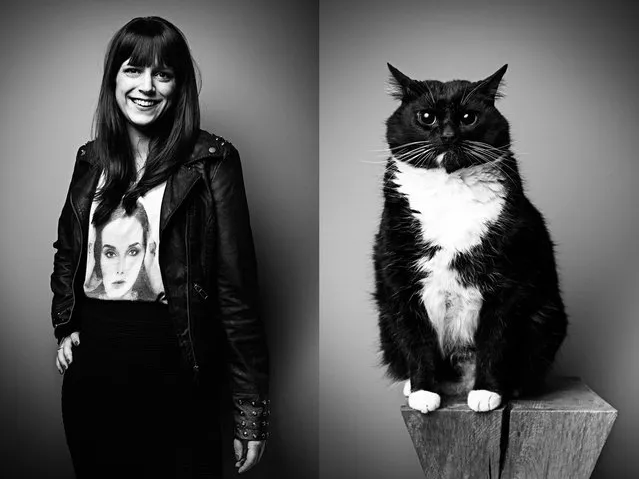
Pet owner Isabel with her blind housecat, “Captain Jack”. (Photo by Tobias Lang)

German photographer Tobias Lang had a brilliant idea, he started photographing his friends and their pets and suddenly folks from all over the world where asking him to capture them too. Check out his Facebook page to see. Tobias is in the process of putting together a coffee table book of his impressive collection. Photo: Pet owner Isabel with her blind housecat, “Captain Jack”. (Photo by Tobias Lang)
Details
30 Jul 2013 08:37:00
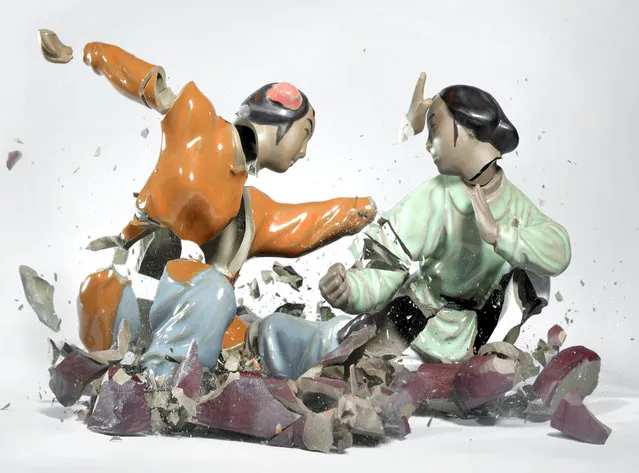
Porcelain Figurines By Martin Klimas

From a height of three meters, porcelain figurines are dropped on the ground, and the sound they make when they hit trips the shutter release. The result: razor-sharp images of disturbing beauty—temporary sculptures made visible to the human eye by high-speed photography technology. The porcelain statuette bursting into pieces isn't what really captures the attention; the fascination lies in the genesis of a dynamic figure that replaces the static pose. In contrast to the inertness of the intact kitsch figurines Klimas started out with, the photographs of their destruction possess a powerfully narrative character.
Details
21 Apr 2014 12:59:00


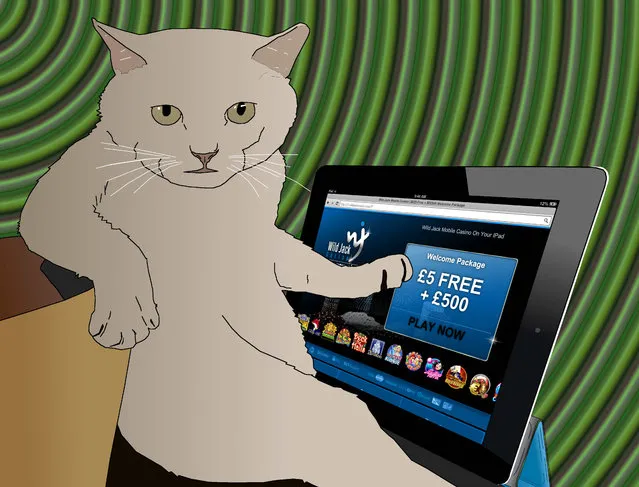
Are online casino games all fixed

Short answer: no.

I know, this answer was a little too short, so let me explain in a little more detail.

Imagine tossing a coin. Normally, any normal coin toss has two possible outcomes - heads or tails - with each one having a 50% chance of happening. Ideally, that is, because factors like the force of your finger tossing the coin, gravity, the wind, the moon phase and a passing TARDIS can all influence the outcome of the toss - but I have deviated from the subject.
Details
14 May 2014 07:28:00