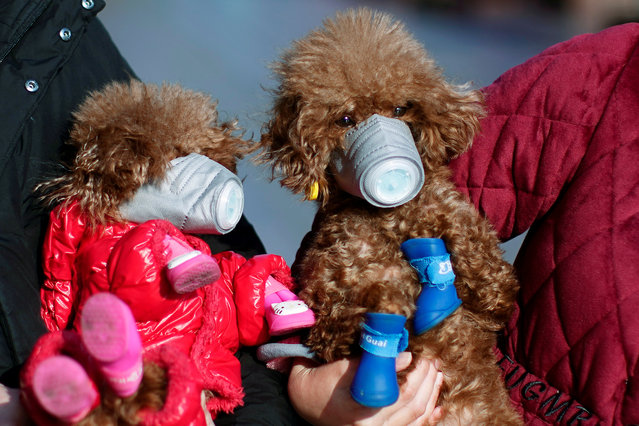
Dogs wearing masks are seen at a main shopping area, in downtown Shanghai, China, as the country is hit by an outbreak of a new coronavirus, February 16, 2020. (Photo by Aly Song/Reuters)
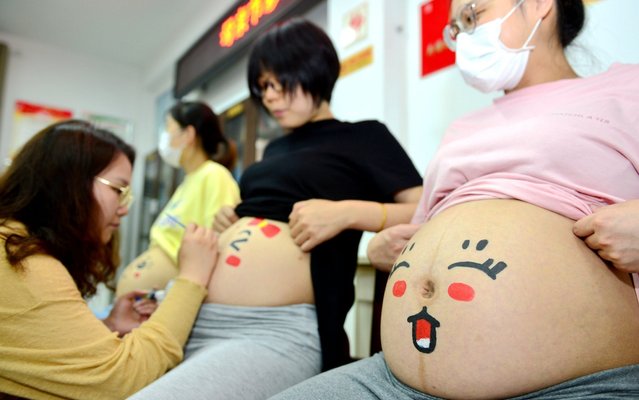
Mothers-to-be show their belly paintings in Hefei, east China's Anhui province on May 8, 2020. (Photo by Rex Features/Shutterstock/China Stringer Network)
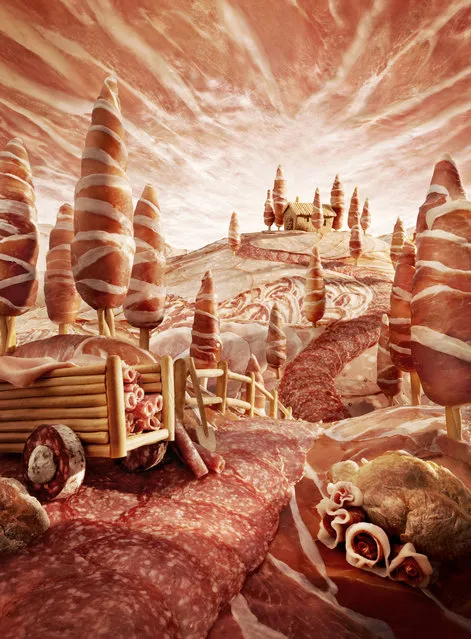
At first glance, you may think you’re just gazing upon serene sunsets, breathtaking landscapes and peaceful coves of distant lands. It’s not until you realise the settings are made entirely from food that you can feast your eyes over the magnificence of Carl Warner’s “foodscapes”. Photo: “Salami Tuscany”. (Photo by Carl Warner)
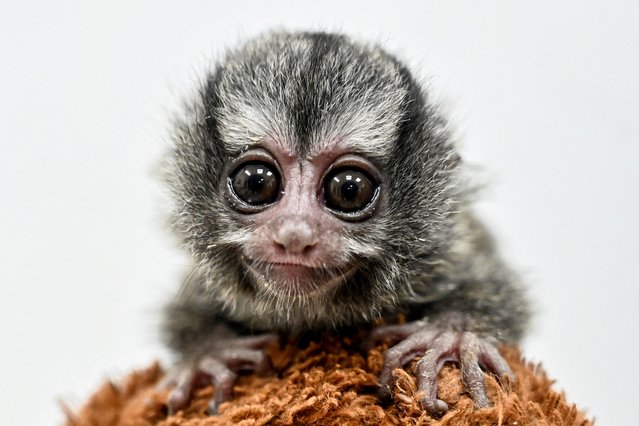
A grey-bellied Night Monkey (Aotus Lemurinus) plays with a teddy bear at the veterinary clinic of the Cali Zoo in Cali, Colombia on January 27, 2020. They monkey is being raised by personnel of the Cali Zoo after a worker found it near the complex. Apparently it fall from a tree with his father who had health problems. (Photo by Luis Robayo/AFP Photo)
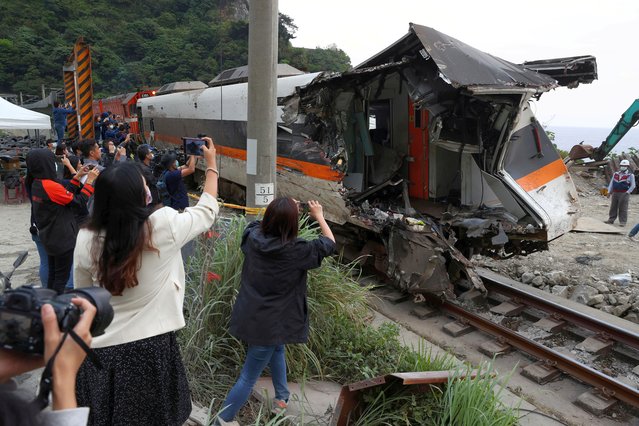
Members of the media document a damaged train carriage extracted from a tunnel after the deadly train derailment north of Hualien, Taiwan on April 6, 2021. (Photo by Ann Wang/Reuters)
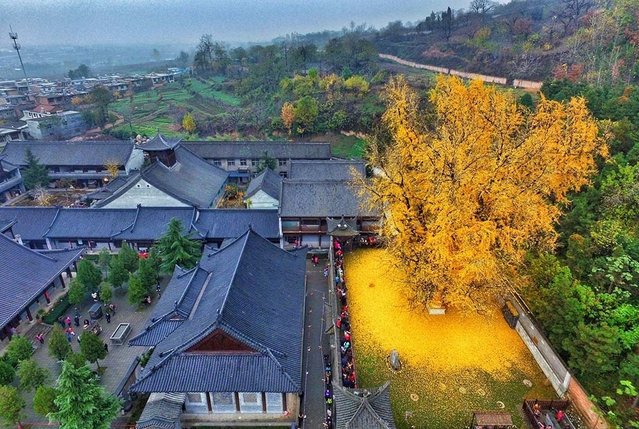
This particular Gingko tree (aka Gingko Biloba) is not just any tree. It was reportedly planted by Tang Dynasty's Emperor Taizong, the emperor portrayed in Fang Bingbing's Empress of China, from over a thousand years ago. Take a look at these stunning photos when the Gingko tree displays its full glory in late autumn.
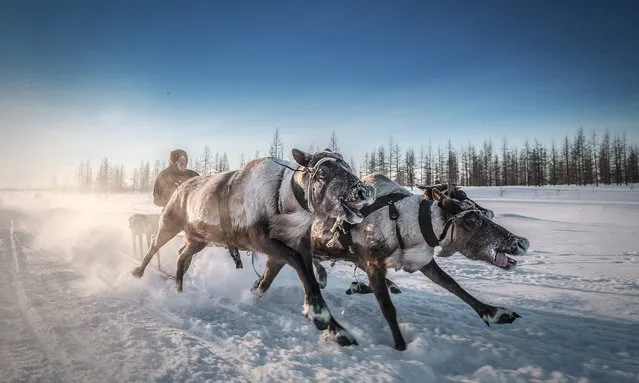
Take me away, deer, Russia. The Nenet people of Arctic Russia use reindeer and sledges as a prime mode of transport. The animals’ navigational ability means that in severe conditions they are sometimes the only hope of survival. (Photo by Kamil Nureev/Smithsonian Photo Contest)
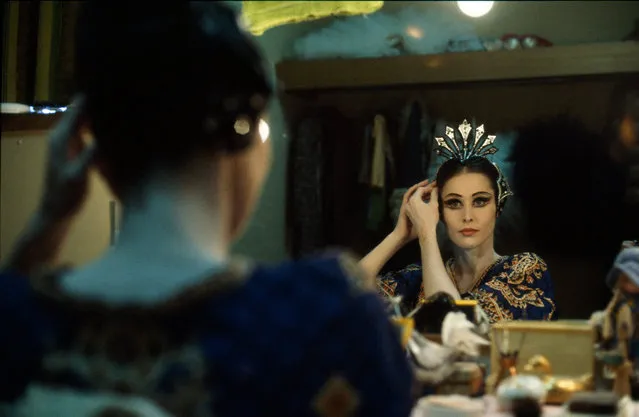
Australian ballet dancer Marilyn Rowe prepares to perform Swan Lake with the Australian Ballet at the Canberra Theatre in 1978. Rowe was appointed director of the Australian Ballet School in 1999. (Photo by John Crowther/The Guardian)