Loading...
Done
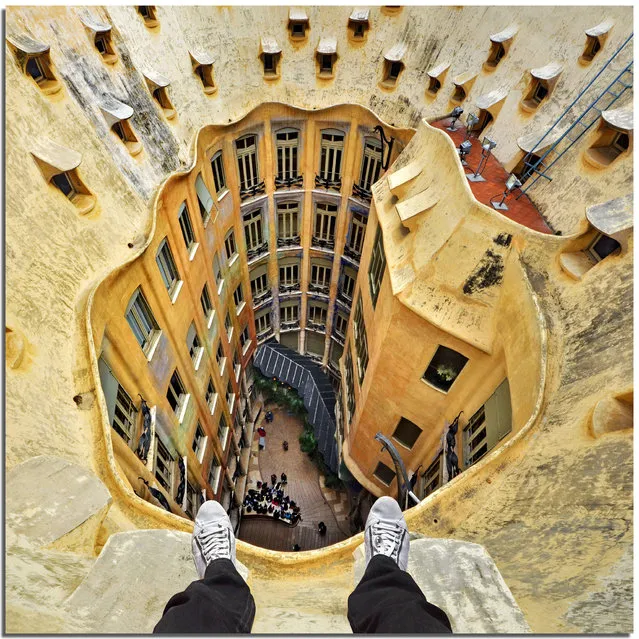
“Not for the faint of heart”. Casa Milà, better known as La Pedrera, is a building designed by the Catalan architect Antoni Gaudí and built during the years 1905–1910, being considered officially completed in 1912. It is located at 92, Passeig de Gràcia in the Eixample district of Barcelona, Catalonia, Spain. (Stefano Scarselli)

“Not for the faint of heart”. Casa Milà, better known as La Pedrera, is a building designed by the Catalan architect Antoni Gaudí and built during the years 1905–1910, being considered officially completed in 1912. It is located at 92, Passeig de Gràcia in the Eixample district of Barcelona, Catalonia, Spain. (Photo by Stefano Scarselli)
Details
17 Jan 2013 14:17:00
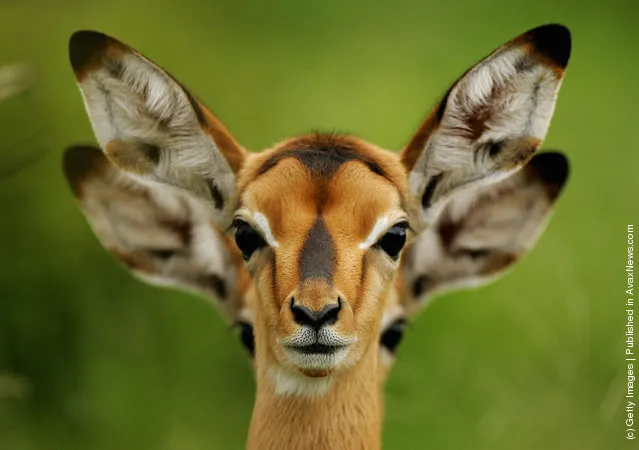
Impala pictured

Impala pictured in the Kruger National Park on December 7, 2007 in Mpumalanga, South Africa. (Photo by Warren Little/Getty Images)
Details
16 Aug 2011 12:20:00
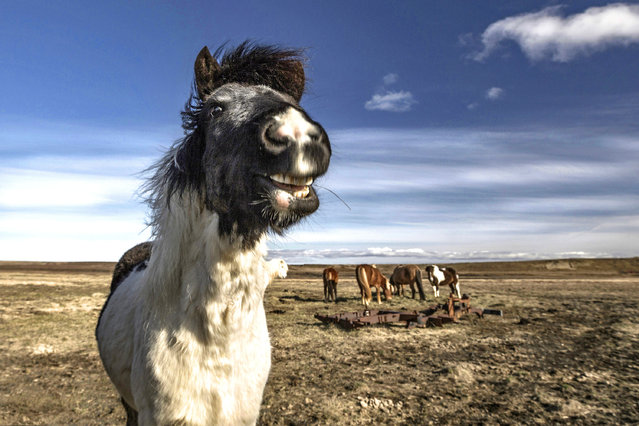
A horse smiles at the camera. (Photo by Bragi J. Ingibergsson/Caters News)

A horse smiles at the camera. See the beautiful images of horses gleefully playing in Iceland mountain ranges. The horses have been spotted smiling and cuddling in remote locations across the nation. (Photo by Bragi J. Ingibergsson/Caters News)
Details
13 Dec 2016 07:03:00
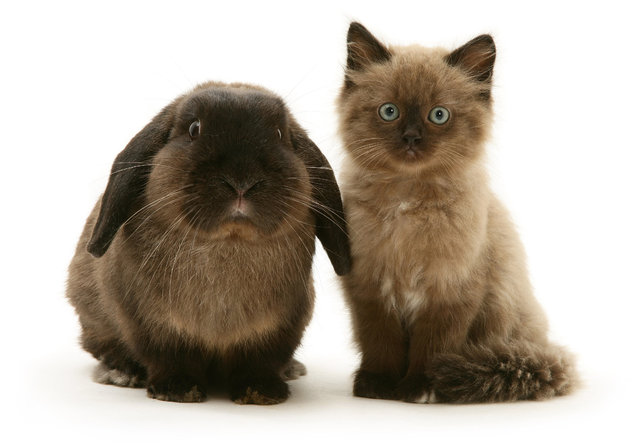
Chocolate Birman-cross kitten with chocolate Lop rabbit. (Photo by Mark Taylor/Warren Photographic/Caters News Agency)

These “snapcats” have found their bunny doppelgängers in a series of sweet photo shoots. Animal photographer Mark Taylor, from Surrey, England, and his assistants have scoured the U.K. to bring together carbon-copy rabbits and cats. Here: Chocolate Birman-cross kitten with chocolate Lop rabbit. (Photo by Mark Taylor/Warren Photographic/Caters News Agency)
Details
11 Nov 2017 07:14:00
Cropped shot of a woman flirtatiously touching leg of man in a suit with her foot under the table. (Photo by LightField Studios/Skyfish Digital Media/Getty Images)

Cropped shot of a woman flirtatiously touching leg of man in a suit with her foot under the table. (Photo by LightField Studios/Skyfish Digital Media/Getty Images)
Details
20 Mar 2018 00:05:00
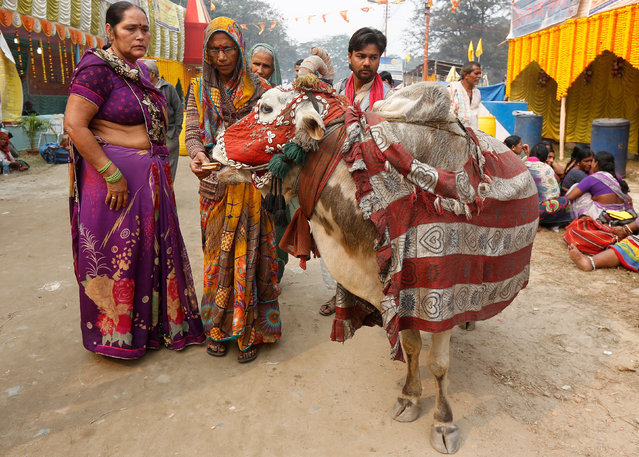
A Hindu pilgrim feeds biscuits to an ox to seek blessing before heading for an annual trip to Sagar Island for the one-day festival of “Makar Sankranti”, in Kolkata, India January 10, 2017. (Photo by Rupak De Chowdhuri/Reuters)

A Hindu pilgrim feeds biscuits to an ox to seek blessing before heading for an annual trip to Sagar Island for the one-day festival of “Makar Sankranti”, in Kolkata, India January 10, 2017. (Photo by Rupak De Chowdhuri/Reuters)
Details
14 Jan 2017 12:56:00
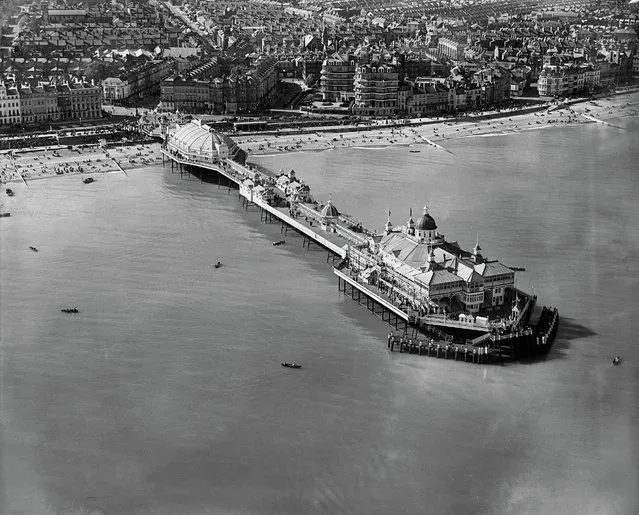
While the lido was described as bringing “modernism to the masses” on the British coast it was just the latest example of a trend that had been developing since Victorian times – transforming seaside towns into resorts for leisure and entertainment. In the latter half of the nineteenth century, the fashion was for local authorities to build great piers stretching from the promenade out into the sea

While the lido was described as bringing “modernism to the masses” on the British coast it was just the latest example of a trend that had been developing since Victorian times – transforming seaside towns into resorts for leisure and entertainment. In the latter half of the nineteenth century, the fashion was for local authorities to build great piers stretching from the promenade out into the sea. The Eastbourne Pier, pictured here in May 1931, was erected between 1866 and 1870 to an ingenious design by Eugenius Birch, which saw the structure sitting on special cups allowing the supporting struts to “move” in bad weather. Arranged on the pier's 1,000-foot length were kiosks, a theatre, a ballroom and a camera obscura. 1931. (Photo by Aerofilms Collection via “A History of Britain From Above”)

Details
25 Feb 2014 12:59:00
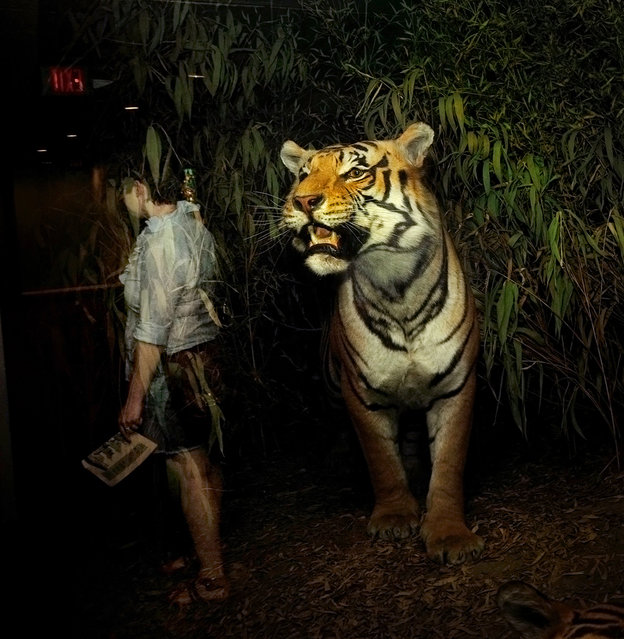
“Natural History”: Tiger. (Photo by Traer Scott)

“Natural History” is a series of completely candid single exposure images that merge the living and the dead to create allegorical narratives of our troubled co-existence with nature. Ghost-like reflections of modern visitors viewing wildlife dioramas are juxtaposed against the antique taxidermied subjects housed behind thick glass, their faces molded into permanent expressions of fear, aggression or fleeting passivity. After decades of over-hunting, climate change, poaching and destruction of habitat, many of these long dead diorama specimens now represent endangered or completely extinct species”. – Traer Scott. (Photo by Traer Scott)
Details
27 Oct 2014 11:39:00