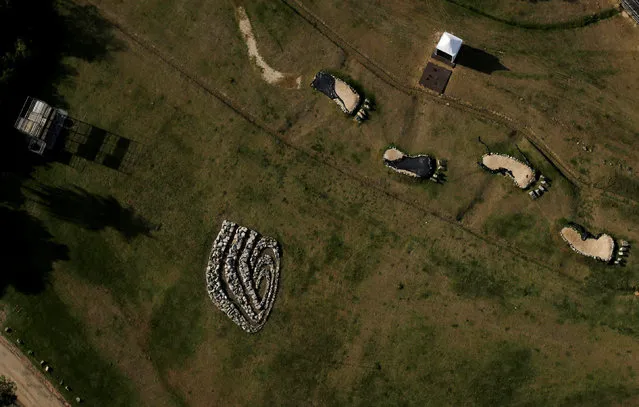
An aerial view shows the the Mountain Bike course at the X-Park at Deodoro Olympic Park ahead of the 2016 Rio Olympics in Rio de Janeiro, Brazil, July 16, 2016. (Photo by Ricardo Moraes/Reuters)
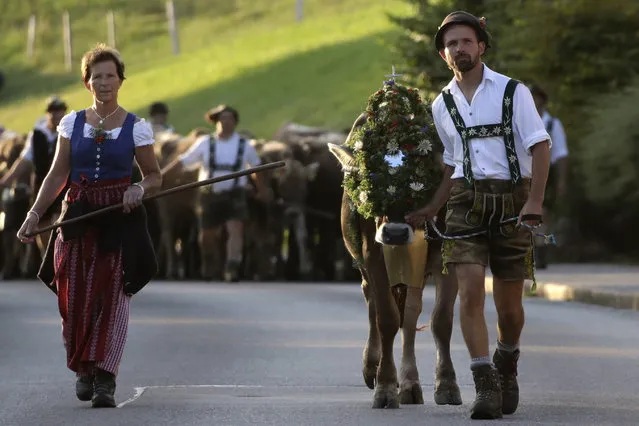
Bavarian herdsmen and a herdswoman in traditional dresses drive their beasts on a road during the return of the cattle from the summer pastures in the mountains near Oberstaufen, Germany, Friday, September 9, 2016. (Photo by Matthias Schrader/AP Photo)
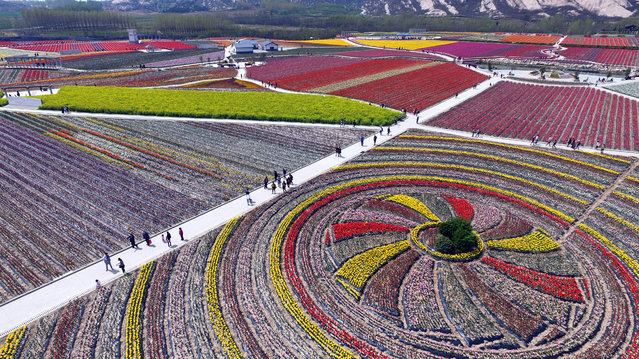
Visitors walk through a tulip display in Chaya Mountain, Suiping County in Zhumadian, Henan Province of China on March 31, 2016. There are more than ten varieties of tulips here. (Photo by VCG/VCG via Getty Images)
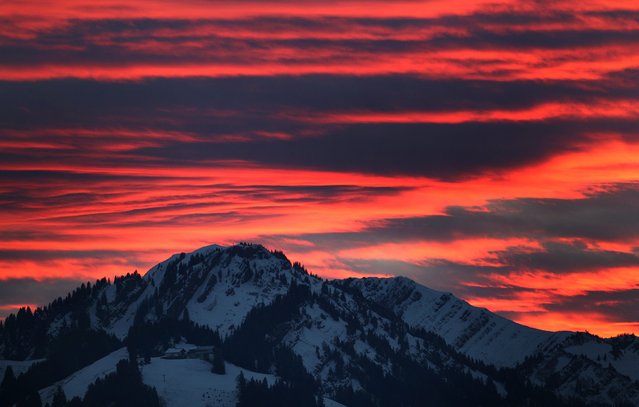
A colorful sky at sunset over the snowy mountains in Immenstadt, Bavaria, Germany, 20 November 2014. Cloudy weather is forecast in the region on 21 November. (Photo by Karl-Josef Hildenbrand/EPA)
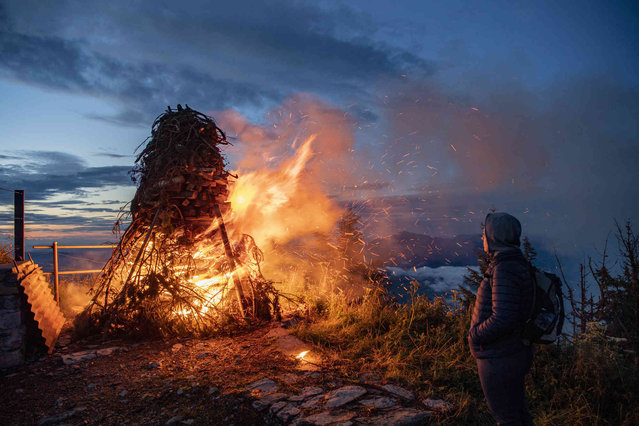
A traditional high altitude bonfire burns on the occasion of the Swiss National Day on the “Stanserhorn” mountain near Stans, Switzerland, Sunday, August 1, 2021. (Photo by Urs Flueeler/Keystone via AP Photo)
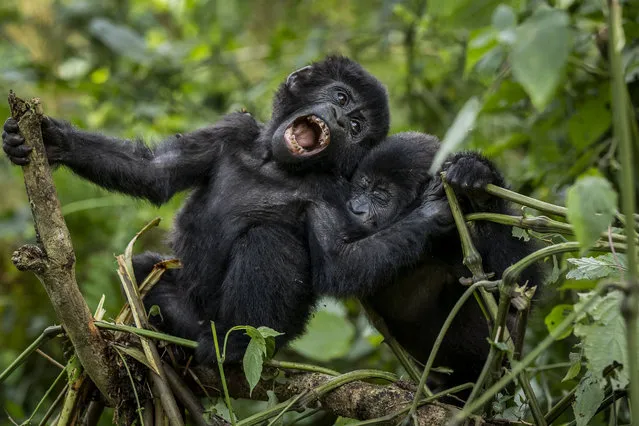
Two one-year old baby mountain gorillas play together in the forest of Bwindi Impenetrable National Park in southwestern Uganda on Saturday, April 3, 2021. (Photo by AP Photo/Stringer)
Spectators in colourful attire cheer as the pack of riders (peloton) cycles by during the 14th stage of the 111th edition of the Tour de France cycling race, 151,9 km between Pau and Saint-Lary-Soulan Pla d'Adet, in the Pyrenees mountains in southwestern France, on July 13, 2024. (Photo by Anne-Christine Poujoulat/AFP Photo)
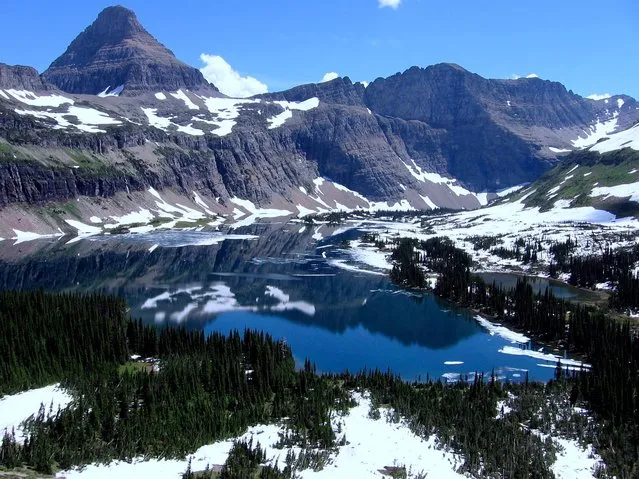
Glacier National Park is a national park located in the U.S. state of Montana, on the Canada–United States border with the Canadian provinces of Alberta and British Columbia. The park encompasses over 1,000,000 acres (4,000 km2) and includes parts of two mountain ranges (sub-ranges of the Rocky Mountains), over 130 named lakes, more than 1,000 different species of plants and hundreds of species of animals. This vast pristine ecosystem is the centerpiece of what has been referred to as the "Crown of the Continent Ecosystem", a region of protected land encompassing 16,000 square miles (41,000 km2).