A woman poses with a grenade launcher at a weapons exhibition during festivities marking Marines Day in St.Petersburg, Russia, Saturday, November 24, 2018. (Photo by Dmitri Lovetsky/AP Photo)
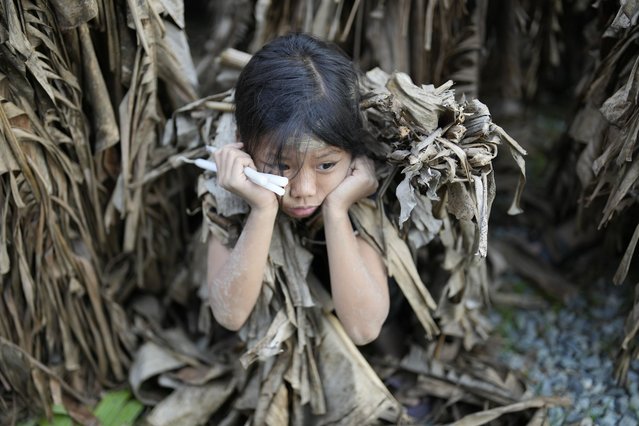
A young Catholic waits for the start of mass at the church of Saint John the Baptist during the mud festival at Bibiclat, Nueva Ecija province, northern Philippines, Monday, June 24, 2024. (Photo by Aaron Favila/AP Photo)
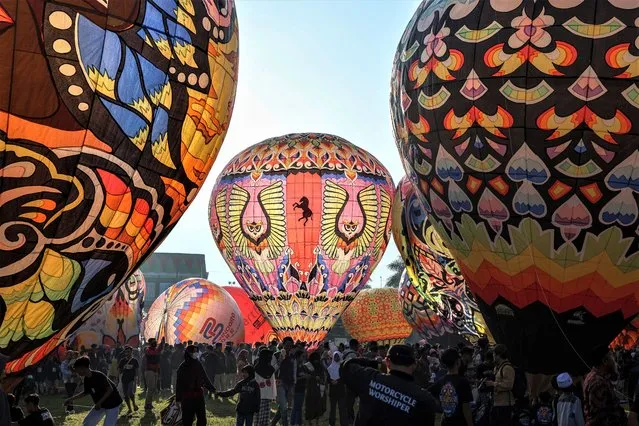
Visitors attend the balloon festival on the Eid al-Fitr holiday at Ronggolawe Stadion on April 23, 2023, in Wonosobo, Central Java, Indonesia. Javanese people fly giant hot air balloons during Eid, which has long been a tradition of the Wonosobo regency. (Photo by Garry Lotulung/Anadolu Agency via Getty Images)
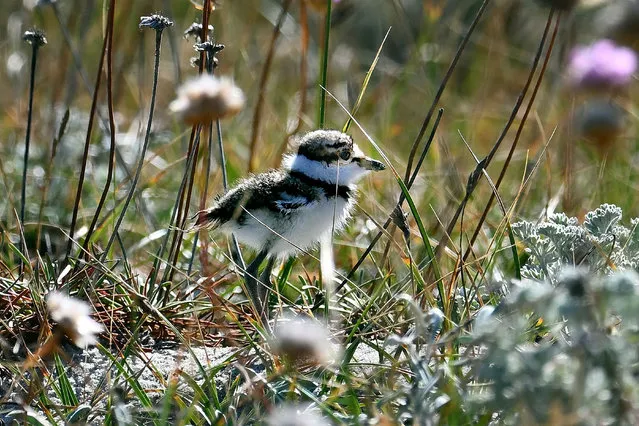
A killdeer (Charadrius vociferus) chick on sand dunes in Pacific Grove, California, US on June 21, 2023. The killdeer gets its name from its shrill, loud call. (Photo by Rory Merry/ZUMA Press Wire/Rex Features/Shutterstock)
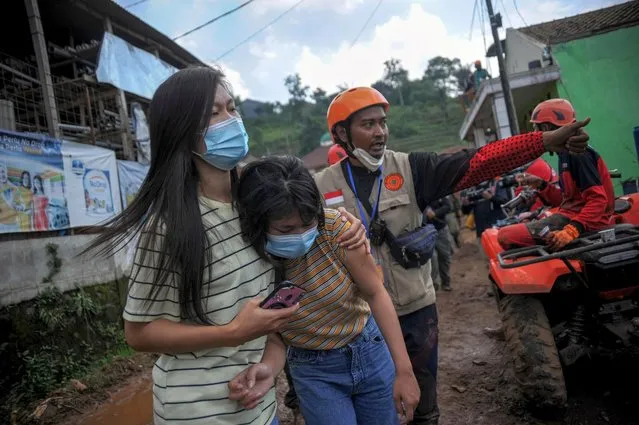
Relatives of victims react as a rescue worker asks them to leave an area hit by landslides in Sumedang regency, West Java province, Indonesia on January 11, 2021. (Photo by Raisan Al Farisi/Antara Foto via Reuters)
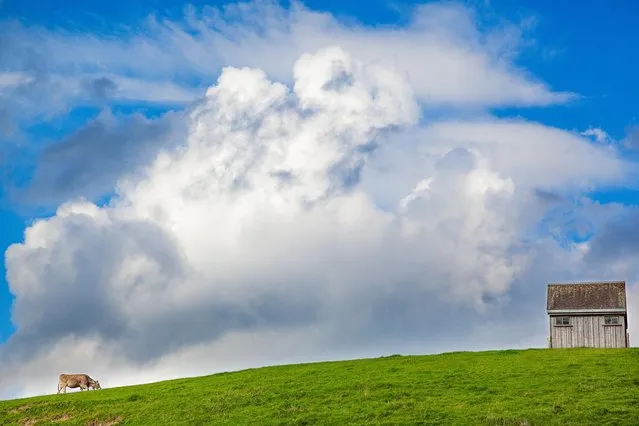
“Sniff out the Appenzell Cheese”. Alexander Hunter, 30, of Greenwich, Conn., took this photo in Appenzell, Switzerland, in September 2014. (Photo by Alexander Hunter)
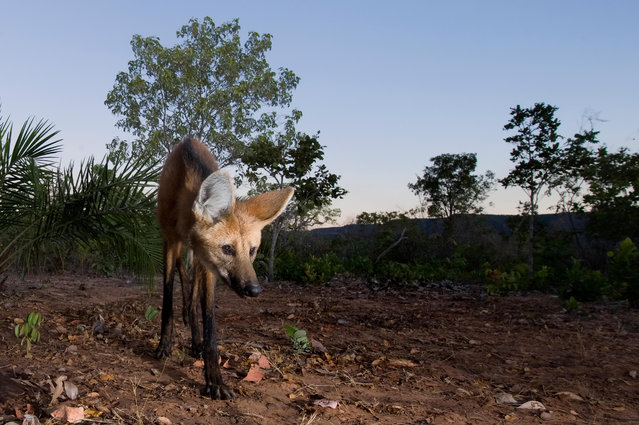
Global wildlife populations will decline by 67% by 2020 unless urgent action is taken to reduce human impact on species and ecosystems, warns the biennial Living Planet Index report from WWF (World Wide Fund for Nature) and ZSL (Zoological Society of London). From elephants to eels, here are some of the wildlife populations most affected by human activity. Here: The maned wolf is among the large mammals in the Brazilian Cerrado that are threatened by the increasing conversion of grasslands into farmland for grazing and growing crops. (Photo by Ben Cranke/Nature Picture Library/Alamy Stock Photo)