Loading...
Done
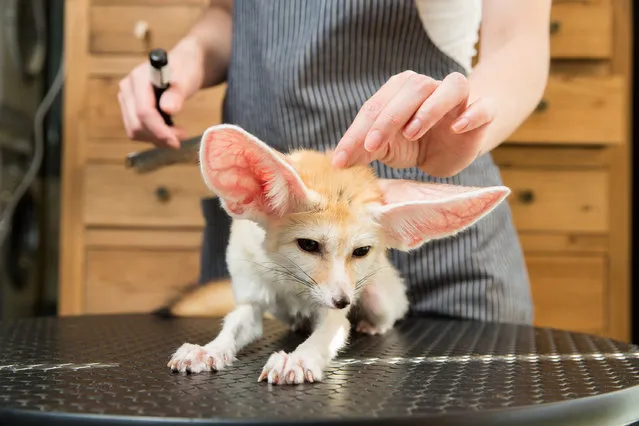
A fennec fox (Vulpes zerda) is groomed in a pet store in central Beijing. Native to the Sahara in North Africa, the species became a popular pet after being depicted as a character in Disney’s 2016 animated movie Zootopia. Individuals can cost between $2,000–$3,000. (Photo by Sean Gallagher/The Guardian)

A dramatic rise in owning exotic pets in China is fuelling global demand for threatened species. The growing trade in alligators, snakes, monkeys, crocodiles and spiders is directly linked to species loss in some of the world’s most threatened ecosystems. Here: A fennec fox (Vulpes zerda) is groomed in a pet store in central Beijing. Native to the Sahara in North Africa, the species became a popular pet after being depicted as a character in Disney’s 2016 animated movie Zootopia. Individuals can cost between $2,000–$3,000. (Photo by Sean Gallagher/The Guardian)
Details
23 Sep 2017 08:04:00
Supporters of the presidential candidate Muhammadu Buhari and his All Progressive Congress hits with a motorbike another supporter during celebrations in Kano March 31, 2015. Nigeria's opposition APC declared an election victory on Tuesday for former military ruler Buhari and said Africa's most populous nation was witnessing history with its first democratic transfer of power. (Photo by Goran Tomasevic/Reuters)

Supporters of the presidential candidate Muhammadu Buhari and his All Progressive Congress hits with a motorbike another supporter during celebrations in Kano March 31, 2015. Nigeria's opposition APC declared an election victory on Tuesday for former military ruler Buhari and said Africa's most populous nation was witnessing history with its first democratic transfer of power. (Photo by Goran Tomasevic/Reuters)
Details
01 Apr 2015 11:50:00
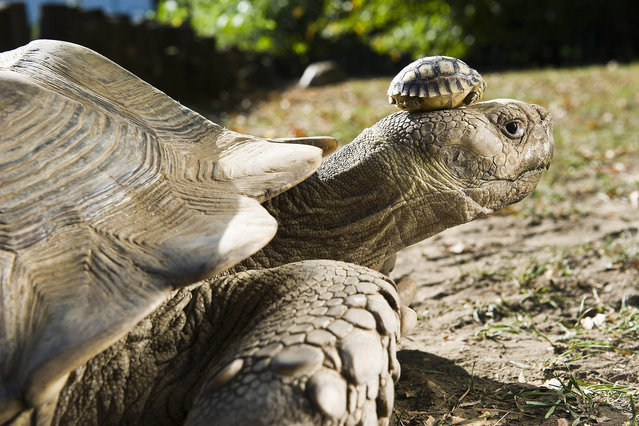
A four-day old African spurred tortoise, Geochelone sulcata, one of eight babies, was place on the head of its mother in their enclosure in Nyiregyhaza Animal Park in Nyiregyhaza, 226 km east of Budapest, Hungary, 27 September 2011. This was the first time that offspring of an African spurred tortoise were born in this zoo. The eight babies hatched after 115 days, they are 5.5 cms long and weigh 25 grams. Spurred tortoise is the largest species of land tortoises in Africa, the weight of an adult animal may reach 80 kgs. (Photo by Attila Balazs/EPA)

A four-day old African spurred tortoise, Geochelone sulcata, one of eight babies, was place on the head of its mother in their enclosure in Nyiregyhaza Animal Park in Nyiregyhaza, 226 km east of Budapest, Hungary, 27 September 2011. This was the first time that offspring of an African spurred tortoise were born in this zoo. The eight babies hatched after 115 days, they are 5.5 cms long and weigh 25 grams. Spurred tortoise is the largest species of land tortoises in Africa, the weight of an adult animal may reach 80 kgs. (Photo by Attila Balazs/EPA)
Details
07 May 2016 12:58:00
Omar Gamal, a 28-year-old pigeon keeper, stands next to his pigeon coop on his rooftop in the Egyptian capital's twin city of Giza on February 21, 2021, with the Pyramids of (R to L) Khufu (Cheops), Khafre (Chephren), and Menkaure (Menkheres) in the background. An ancient tradition handed down through the generations, the practice of domesticating pigeons stretches across borders from the banks of the Nile to north Africa and beyond, with people not only training birds for competitions, but also serving them up as a dining delicacy. (Photo by Khaled Desouki/AFP Photo)

Omar Gamal, a 28-year-old pigeon keeper, stands next to his pigeon coop on his rooftop in the Egyptian capital's twin city of Giza on February 21, 2021, with the Pyramids of (R to L) Khufu (Cheops), Khafre (Chephren), and Menkaure (Menkheres) in the background. An ancient tradition handed down through the generations, the practice of domesticating pigeons stretches across borders from the banks of the Nile to north Africa and beyond, with people not only training birds for competitions, but also serving them up as a dining delicacy. (Photo by Khaled Desouki/AFP Photo)
Details
27 Mar 2021 09:11:00
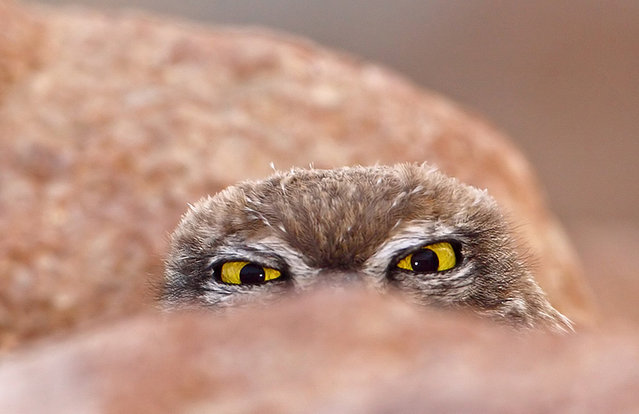
Little Owl

The Little Owl (Athene noctua) is a bird which is resident in much of the temperate and warmer parts of Europe, Asia east to Korea, and north Africa. It is not native to Great Britain, but was first introduced in 1842, by Thomas Powys and is now naturalised there. It was also successfully introduced to the South Island of New Zealand in the early 20th century.
Details
19 Oct 2012 08:14:00
Blackberry Service Outages Spreads To The US

A Research In Motion BlackBerry device is shown on October 12, 2011 in Chicago, Illinois. A three-day disruption of service that has previously affected users in Europe, the Middle East, Africa and India has now spread to customers in North America. Customers are experiencing patchy email service and receiving no access to browsing or messaging. (Photo Illustration by Scott Olson/Getty Images)
Details
13 Oct 2011 11:27:00
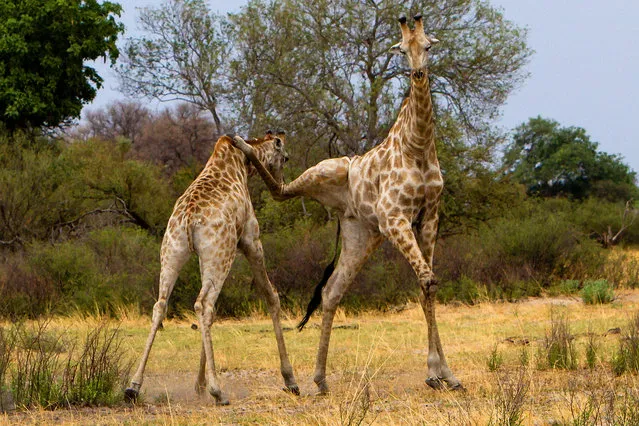
A giraffe lands a karate kick on a rival on the plains of Botswana. (Photo by Thomas Retterath/Caters News)

The Kung Fu King was spotted in Botswana, Africa, as the two giraffes fought for dominance. Thomas Retterath, 53, says hes often seen the mammals fight, but they usually do it by banging their heads against each others bodies.Here: A giraffe lands a karate kick on a rival on the plains of Botswana. (Photo by Thomas Retterath/Caters News)
Details
26 Feb 2017 00:00:00
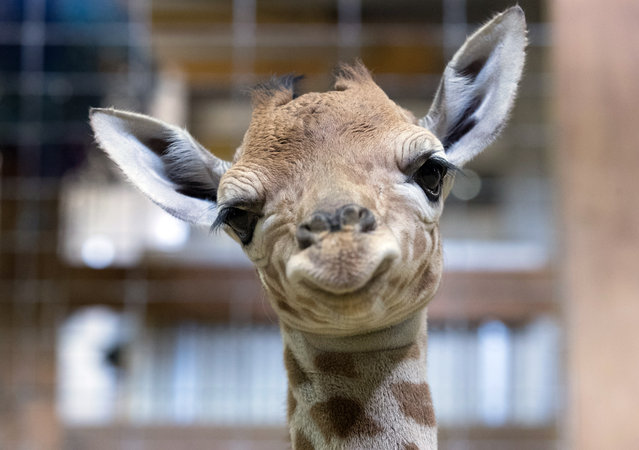
One-day-old baby giraffe calf Gus looks at the camera at Noah's Ark farm on May 12, 2017 in Bristol, England. The baby giraffe was born yesterday at the zoo farm in North Somerset. In the wild, populations of giraffes are suffering from a continuing decline, with 97,500 estimated in Africa in 2015. Since 1985 the total giraffe population has fallen by 35%. New arrival Gus joins brothers George, 4 and Geoffrey, 2. (Photo by Matt Cardy/Getty Images)

One-day-old baby giraffe calf Gus looks at the camera at Noah's Ark farm on May 12, 2017 in Bristol, England. The baby giraffe was born yesterday at the zoo farm in North Somerset. In the wild, populations of giraffes are suffering from a continuing decline, with 97,500 estimated in Africa in 2015. Since 1985 the total giraffe population has fallen by 35%. New arrival Gus joins brothers George, 4 and Geoffrey, 2. (Photo by Matt Cardy/Getty Images)
Details
14 May 2017 08:05:00