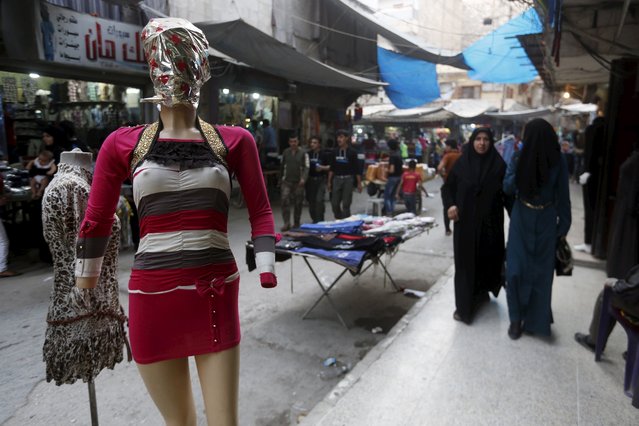
Women walk past a mannequin with a covered face as they shop ahead of the Muslim festival of Eid-al-Adha in Aleppo, Syria September 23, 2015. (Photo by Hamid Khatib/Reuters)
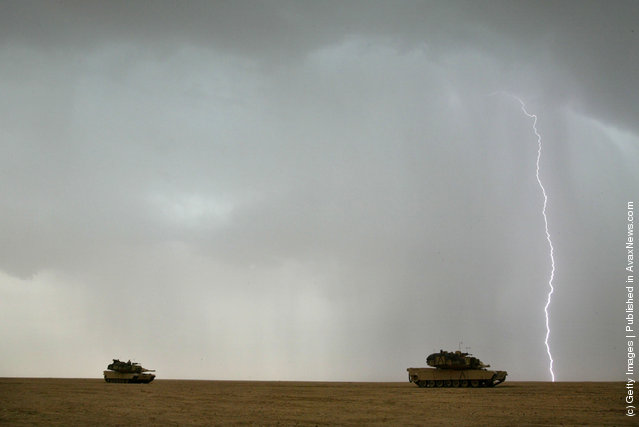
A lighting bolt flashes in the sky as U.S. Army M1A1 Abram tanks roll through the desert December 9, 2002 near the Iraqi border in Kuwait. (Photo by Joe Raedle/Getty Images)
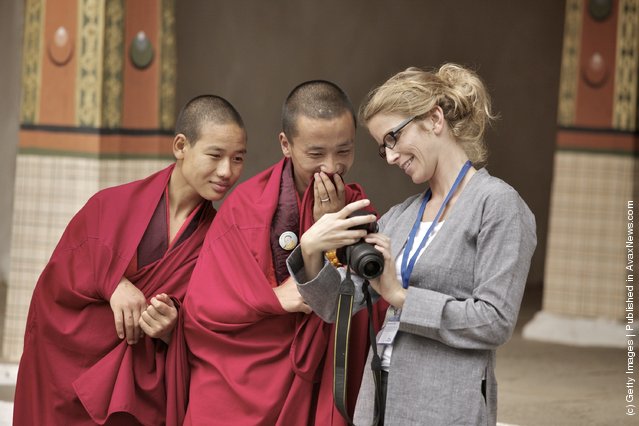
Young monks laugh at their own photos taken by a German photojournalist in the main courtyard of the Dzong on October 13, 2011 in Punakha, Bhutan. King Jigme Khesar Namgyel Wangchuck, 31 and Queen of Bhutan Ashi Jetsun Pema Wangchuck, 21 wed in Bhutan's historic 17th century Punakha Dzong the same venue that hosted the King's historical coronation ceremony in 2008. (Photo by Triston Yeo/Getty Images)
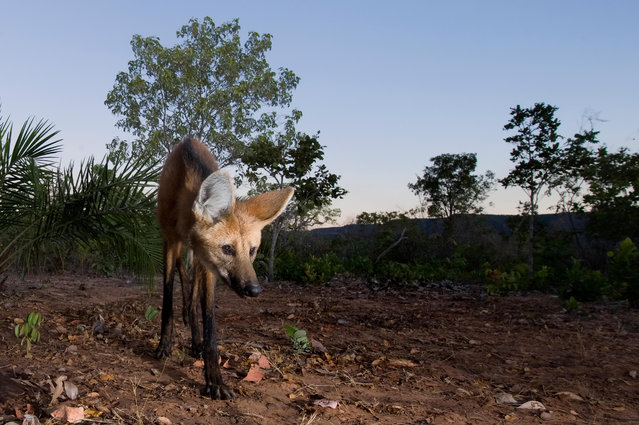
Global wildlife populations will decline by 67% by 2020 unless urgent action is taken to reduce human impact on species and ecosystems, warns the biennial Living Planet Index report from WWF (World Wide Fund for Nature) and ZSL (Zoological Society of London). From elephants to eels, here are some of the wildlife populations most affected by human activity. Here: The maned wolf is among the large mammals in the Brazilian Cerrado that are threatened by the increasing conversion of grasslands into farmland for grazing and growing crops. (Photo by Ben Cranke/Nature Picture Library/Alamy Stock Photo)
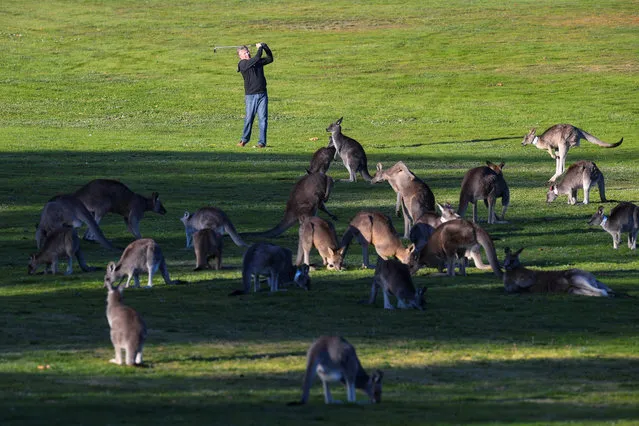
Canberra resident Bruce Gibbons is seen surrounded by grazing kangaroos as he plays a shot during a session on a practice fairway at Gold Creek Golf Club in Canberra, Australia, May 16, 2017. (Photo by Lukas Coch/Reuters/AAP)