Loading...
Done
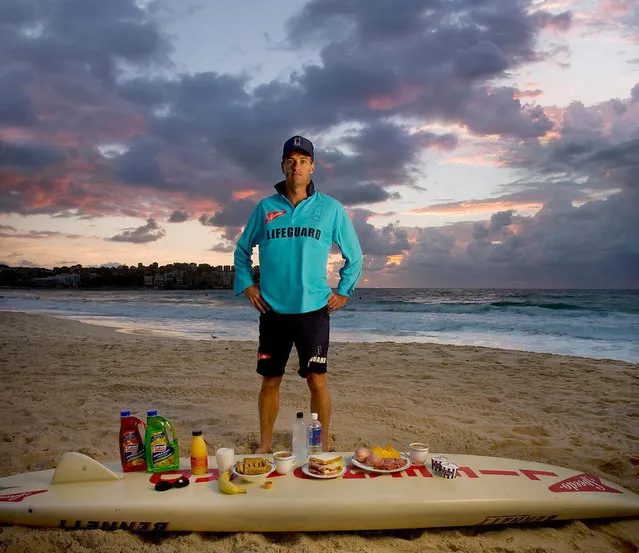
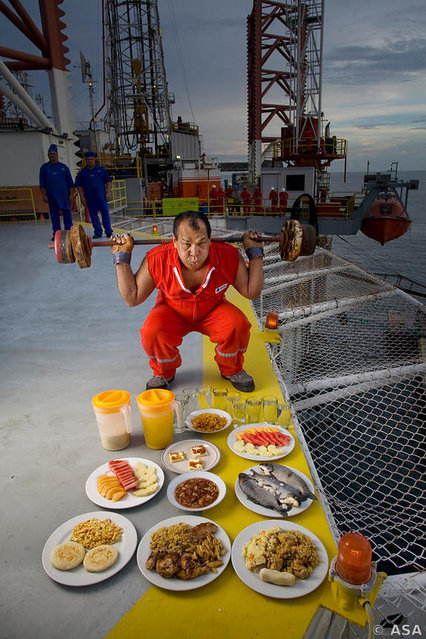
What the World Eats By Peter Menzel And Faith D'Aluisio Part 1

A stunning photographic collection featuring portraits of people from 30 countries and the food they eat in one day. In this fascinating study of people and their diets, 80 profiles are organized by the total number of calories each person puts away in a day. Featuring a Japanese sumo wrestler, a Massai herdswoman, world-renowned Spanish chef Ferran Adria, an American competitive eater, and more, these compulsively readable personal stories also include demographic particulars, including age, activity level, height, and weight. Essays from Harvard primatologist Richard Wrangham, journalist Michael Pollan, and others discuss the implications of our modern diets for our health and for the planet. This compelling blend of photography and investigative reportage expands our understanding of the complex relationships among individuals, culture, and food.
Details
23 Apr 2014 14:34:00
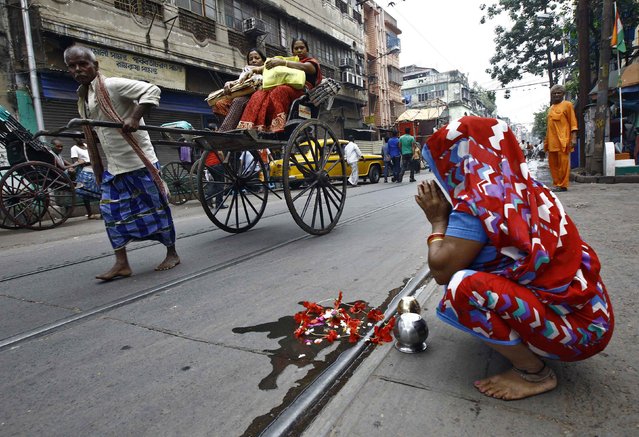
A woman offers prayers by a road as a rickshaw puller transports passengers in Kolkata October 28, 2014. (Photo by Rupak De Chowdhuri/Reuters)

A woman offers prayers by a road as a rickshaw puller transports passengers in Kolkata October 28, 2014. (Photo by Rupak De Chowdhuri/Reuters)
Details
01 Nov 2014 14:25:00
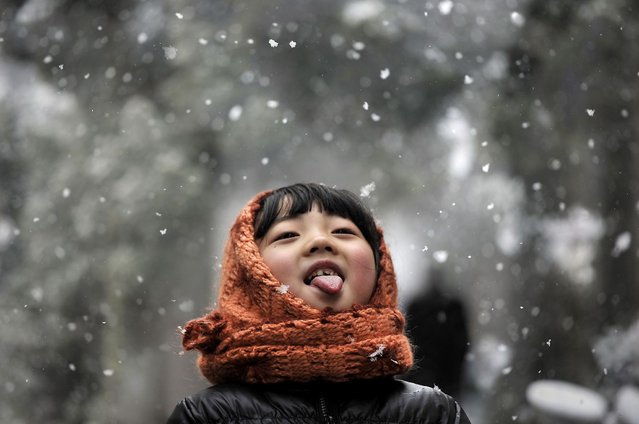
A girl sticks out her tongue during snowfalls on a street in Hefei, Anhui province February 13, 2014. (Photo by Reuters/Stringer)

A girl sticks out her tongue during snowfalls on a street in Hefei, Anhui province February 13, 2014. (Photo by Reuters/Stringer)
Details
15 Feb 2014 12:09:00
What the World Eats By Peter Menzel And Faith D'Aluisio Part 2

A stunning photographic collection featuring portraits of people from 30 countries and the food they eat in one day. In this fascinating study of people and their diets, 80 profiles are organized by the total number of calories each person puts away in a day. Featuring a Japanese sumo wrestler, a Massai herdswoman, world-renowned Spanish chef Ferran Adria, an American competitive eater, and more, these compulsively readable personal stories also include demographic particulars, including age, activity level, height, and weight. Essays from Harvard primatologist Richard Wrangham, journalist Michael Pollan, and others discuss the implications of our modern diets for our health and for the planet. This compelling blend of photography and investigative reportage expands our understanding of the complex relationships among individuals, culture, and food.
Details
02 May 2014 09:20:00
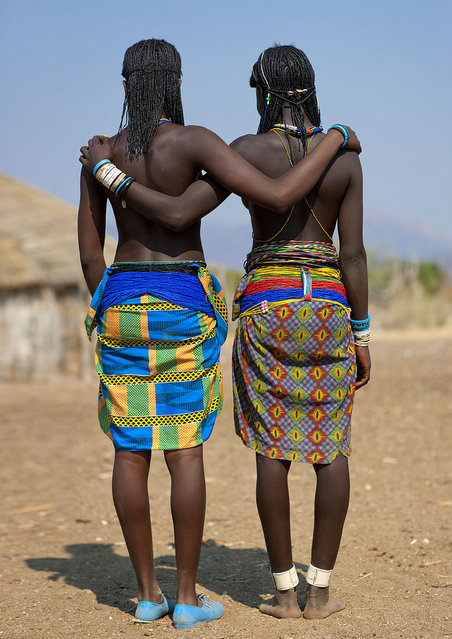
“Show us our butts! Mucawana tribe – Angola. In Soba village, the Muhacaona (Mucawana) tribe, perhaps the best place i have visited. They use cow dung and fat to make this so nice haircut, and love the beads. They asked me to make pictures of their backs... and butts to see on the camera screen if everything was perfect!”. (Eric Lafforgue)

“Show us our butts! Mucawana tribe – Angola. In Soba village, the Muhacaona (Mucawana) tribe, perhaps the best place i have visited. They use cow dung and fat to make this so nice haircut, and love the beads. They asked me to make pictures of their backs... and butts to see on the camera screen if everything was perfect!”. (Photo and comments by Eric Lafforgue)
Details
09 Nov 2012 15:04:00
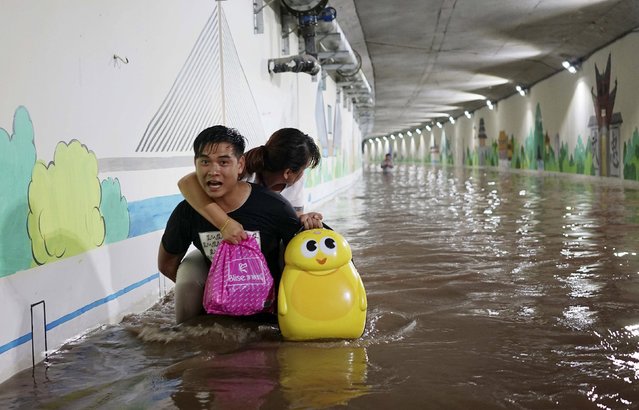
A man carries his wife on his back as they make their way with their luggage along a flooded tunnel to catch their train, after heavy rainfall hit Jinhua, Zhejiang province, China, July 21, 2015. (Photo by Reuters/China Daily)

A man carries his wife on his back as they make their way with their luggage along a flooded tunnel to catch their train, after heavy rainfall hit Jinhua, Zhejiang province, China, July 21, 2015. (Photo by Reuters/China Daily)
Details
23 Jul 2015 11:10:00
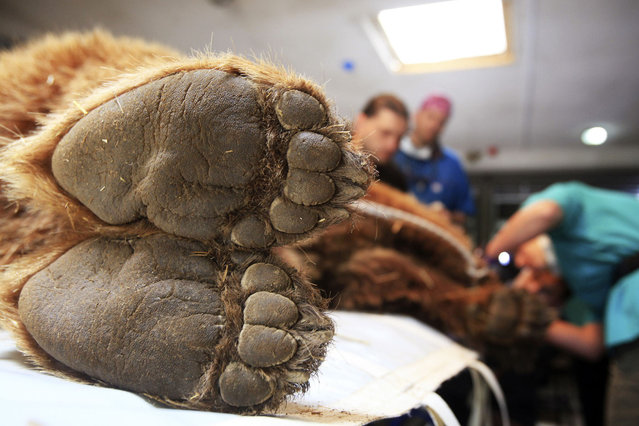
A brown bear is checked by foreign veterinaries and local staff members at the Four Paws Bear Sanctuary in Pristina, on May 9, 2014. (Photo by Hazir Reka/Reuters)

A brown bear is checked by foreign veterinaries and local staff members at the Four Paws Bear Sanctuary in Pristina, on May 9, 2014. (Photo by Hazir Reka/Reuters)
Details
10 May 2014 15:00:00
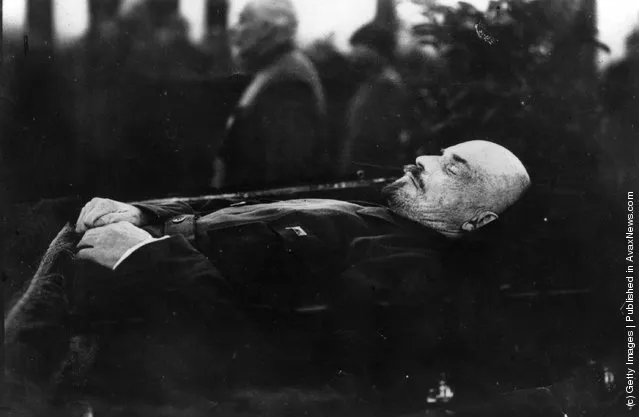
1924:  Vladimir Ilyich Lenin lying in state in the Kremlin

Photo: Vladimir Ilyich Lenin (1870 – 1924) lying in state in the Kremlin. (Photo by Hulton Archive/Getty Images). 1924

Important! For the same article in Russian language click here.

Something quite intriguing is happening within Russian-speaking internet during the last few – should you type a fully academic inquiry (at least, according to Russian academic requirements) in national search engines for "Lenin's mausoleum" – the first thing you get (even in top 10 searches) is website pages talking about black magic and occult. Website authors view this construction differently, but unconditionally agree on one thing: the mausoleum of the "leader of the world proletariat” – the essence of a magical artifact, a sort of “energy vampire”. It was built with a certain purpose: to drain the energy out of miserable Soviet citizens on one hand; and to poison the anthroposphere of one-sixth part of the earth with its vibes (the exact territory that was occupied by the former Soviet Union), depriving the Russian people of will to resist on the other hand. Complete nonsense? No doubt. Nevertheless, an intriguing one. Well, probably because some oddities do exist in mausoleum's history. These oddities are the thing we are going to discuss this time. First, let me refresh you memory on the subject.
Details
16 Oct 2011 11:27:00