Loading...
Done
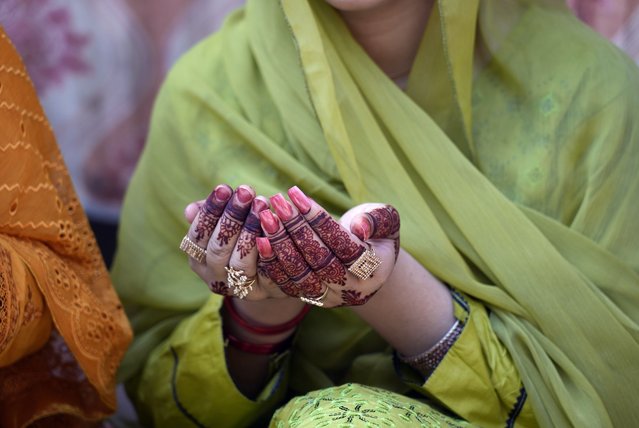
A woman has her hands painted with traditional henna as she attends Eid al-Adha prayers at historical Badshahi mosque in Lahore, Pakistan, Monday, June 17, 2024. Eid al-Adha or Feast of Sacrifice, the most important Islamic holiday, marks the willingness of the Prophet Ibrahim, Abraham to Christians and Jews, to sacrifice his son. During the holiday, which in most places lasts three days, Muslims slaughter goat, sheep or cattle, distribute part of the meat to the poor. (Photo by K.M. Chaudary/AP Photo)

A woman has her hands painted with traditional henna as she attends Eid al-Adha prayers at historical Badshahi mosque in Lahore, Pakistan, Monday, June 17, 2024. Eid al-Adha or Feast of Sacrifice, the most important Islamic holiday, marks the willingness of the Prophet Ibrahim, Abraham to Christians and Jews, to sacrifice his son. During the holiday, which in most places lasts three days, Muslims slaughter goat, sheep or cattle, distribute part of the meat to the poor. (Photo by K.M. Chaudary/AP Photo)
Details
06 Sep 2024 04:02:00
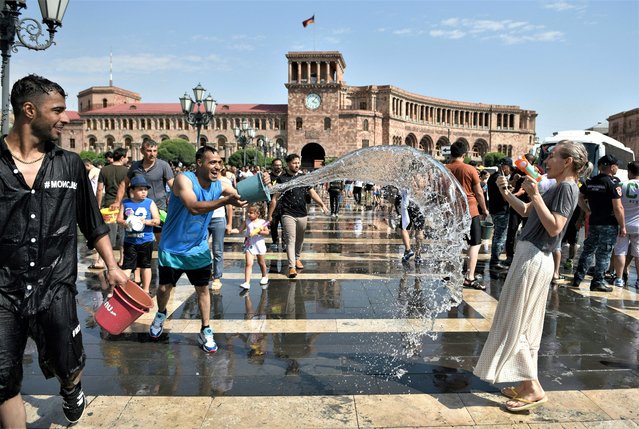
People splash each other in downtown Yerevan, Armenia during an annual Vardavar holiday on July 16, 2023. Vardavar is a traditional Armenian water festival, with people drenching each other, dating back to pagan times. The ancient festival is traditionally associated with the goddess Astghik, who was the goddess of water, beauty, love, and fertility. (Photo by Karen Minasyan/AFP Photo)

People splash each other in downtown Yerevan, Armenia during an annual Vardavar holiday on July 16, 2023. Vardavar is a traditional Armenian water festival, with people drenching each other, dating back to pagan times. The ancient festival is traditionally associated with the goddess Astghik, who was the goddess of water, beauty, love, and fertility. (Photo by Karen Minasyan/AFP Photo)
Details
18 Oct 2024 04:10:00
Alternative Fashion by Circa Nocturna

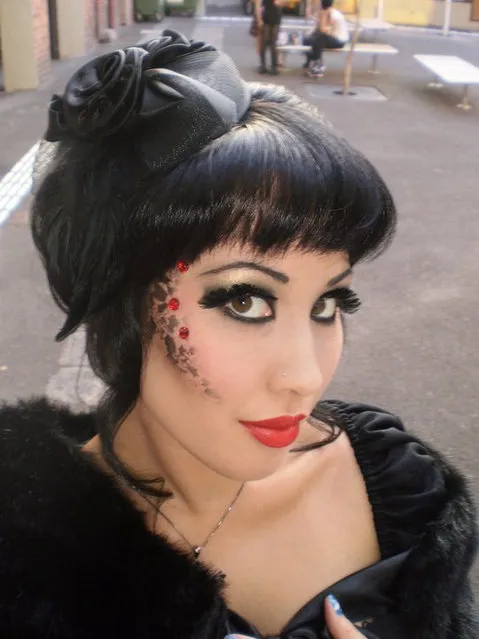
For those who favour alternative fashion, Circa Nocturna is the one event that cannot be missed during the L’Oreal Melbourne Fashion Festival. This year’s event was as unusual and infamously different as only Circa can be, however this was particularly significant as it marks the end of the traditional showcase of Australian subculture fashion, and will now be replaced with smaller boutique based previews throughout the year.
Details
27 Sep 2012 11:15:00
Traditonal balinese dancers

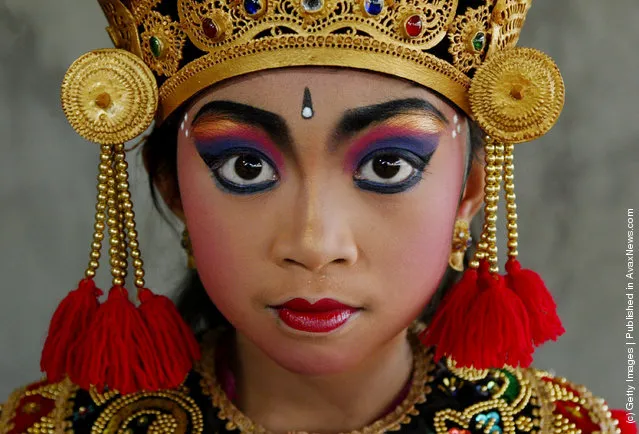
Meri Nirmala Sari, 11, poses in her traditional costume before a performance August 6, 2002 in Ubud, Bali, Indonesia. Meri dances with the Gunung Sari Peliatan dance group and has become a professional. She started dancing at age 5. (Photo by Paula Bronstein/Getty Images)
Details
04 Sep 2011 14:05:00
A wedding couple poses for a photographer during a wedding photo shoot

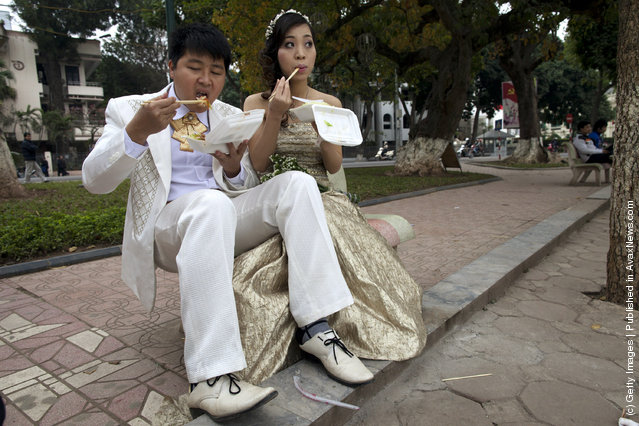
A wedding couple poses for a photographer during a wedding photo shoot March 9, 2011 in Hanoi, Vietnam. Its is traditional for middle and upper class Vietnamese couples do a wedding fashion shoot posing for wedding portraits a few weeks before the wedding so that a wedding photo book is produced. (Photo by Paula Bronstein /Getty Images)
Details
22 Jan 2012 12:49:00
Hobo Nickels By Paolo Curcio Aka Mr. The

Artist Paolo Curcio craves tiny bas-relief sculptures into coins – a traditional art form known as the hobo nickel. Curcio’s coins feature intricately detailed hobos, skulls and a variety of pop culture characters. Plastic castings of his works are available online.

Details
24 Aug 2014 20:32:00
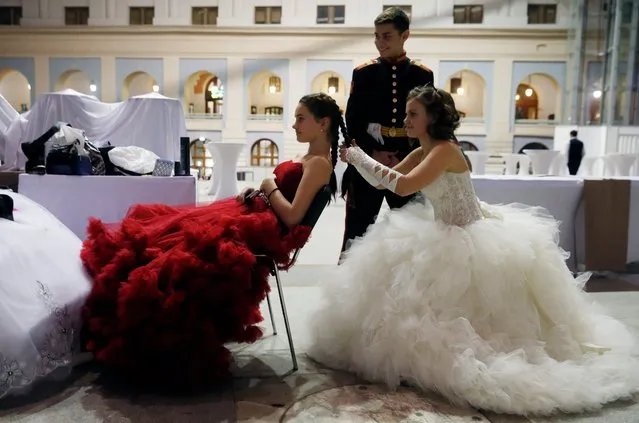
Russian participants adjust their hair, preparing for the Kremlin Cadet Ball in Moscow, Russia, 08 December 2016. (Photo by Sergei Chirikov/EPA)

Russian participants adjust their hair, preparing for the Kremlin Cadet Ball in Moscow, Russia, 08 December 2016. Pupils of cadet schools from different parts in Russia gathered for the first Kremlin Ball, restoring an old tradition of Russian officers and noble girls. (Photo by Sergei Chirikov/EPA)
Details
10 Dec 2016 08:53:00
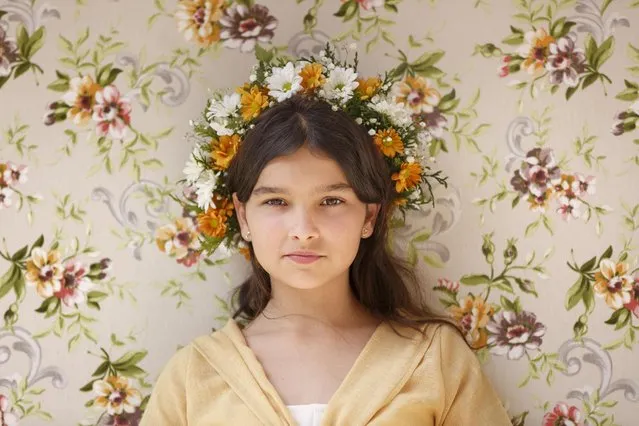
A “Maya” girl sits in an altar during the traditional celebration of “Las Mayas” on the streets in Madrid, Spain Sunday, May 10, 2015. The festivity of the Maya comes from pagan rites and dates from the medieval age, appearing in ancient documents. It takes place every year in the beginning of May and celebrates the beginning of the spring. (Photo by Daniel Ochoa de Olza/AP Photo)

A “Maya” girl sits in an altar during the traditional celebration of “Las Mayas” on the streets in Madrid, Spain Sunday, May 10, 2015. The festivity of the Maya comes from pagan rites and dates from the medieval age, appearing in ancient documents. It takes place every year in the beginning of May and celebrates the beginning of the spring. Girls between 7 and 11 years old are chosen as “Maya” and should sit still, serious and quiet for a couple of hours in altars on the street decorated with flowers and plants and afterwards they walk to the church with their family where they attend a ceremony. (Photo by Daniel Ochoa de Olza/AP Photo)
Details
14 May 2015 11:12:00