Women playing in the street as the snow falls on Johannesburg for the first time in seventeen years. (Photo by Keystone/Getty Images). 1st September 1962
P.S.S. All pictures are presented in high resolution. To see Hi-Res images – just TWICE click on any picture. In other words, click small picture – opens the BIG picture. Click BIG picture – opens VERY BIG picture (if available; this principle works anywhere on the site AvaxNews).
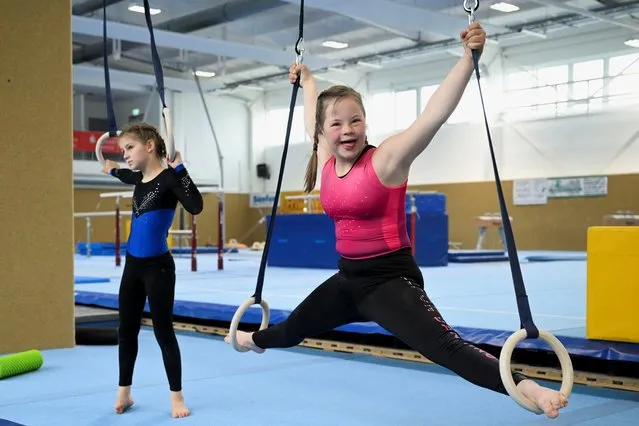
Annabelle, 13, and her sister Estelle, 10, both artistic gymnasts from Borna, hang from the rings during their training, ahead of the Special Olympics World Games Berlin 2023, the world's largest sports movement for people with intellectual disabilities, at the Federal base for competitive gymnastic artistics in Chemnitz, Germany on May 6, 2023. (Photo by Annegret Hilse/Reuters)
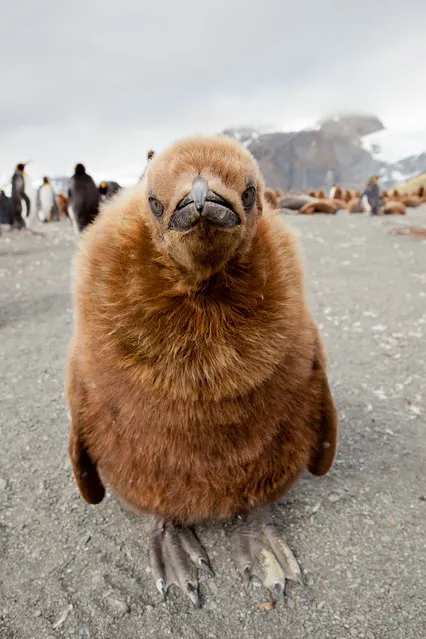
“Cub”. In the colony of penguins in South Georgia. (Photo and caption by Ondrej Zaruba/National Geographic Traveler Photo Contest)
ATTENTION! All pictures are presented in high resolution. To see Hi-Res images – just TWICE click on any picture. In other words, click small picture – opens the BIG picture. Click BIG picture – opens VERY BIG picture.
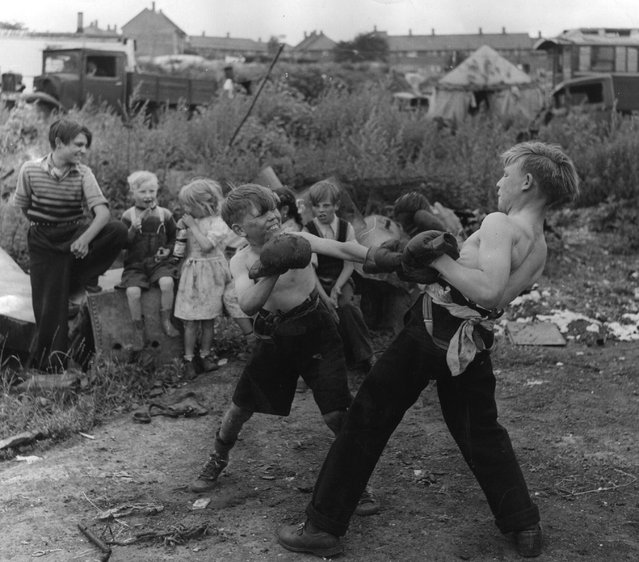
The unromantic gypsies. Children boxing in a gypsy camp in Kent, England on July 1, 1951. Like all boys these gypsy lads like to try their hand at boxing. Encouraged by their friends they fight it out on Corke's Meadow. Few Romanies now live a life of wandering romance. Most are like the three hundred squatters of Corke's Meadow, Kent, which is part of a “gypsy problem” that involves about 100,000 today. Of those about 25,000 can be rightly called gypsies, the rest are Mumpers and Posh-rats and Hobos. Corke's Meadow has both kinds. “Picture Post” cameraman Bert Hardy photographs the Corke's Meadow gypsies in their encampment. (Photo by Hulton-Deutsch Collection/Corbis via Getty Images)
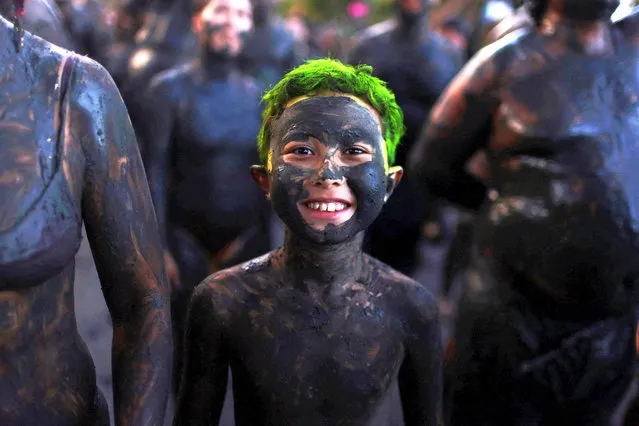
A boy attends the “Bloco da Lama” (Block of Mud) group during the carnival festivities, in Paraty, Brazil on February 11, 2024. (Photo by Pilar Olivares/Reuters)