White House Press Secretary Karoline Leavitt takes questions during her first daily briefing at the White House in Washington on January 28, 2025. (Photo by Carlos Barria/Reuters)
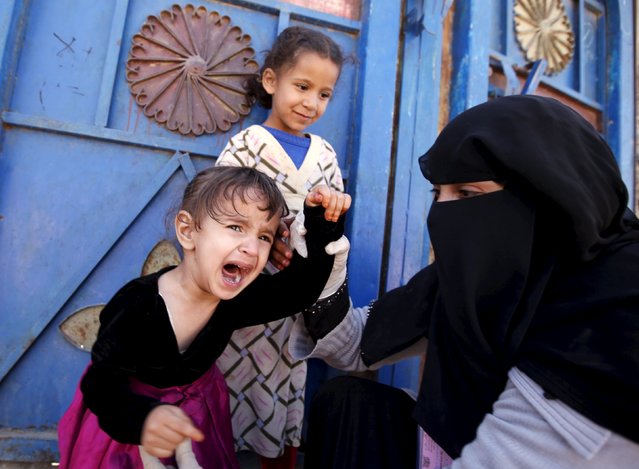
A girl reacts as she receives polio vaccine drops during a house-to-house vaccination campaign in Yemen's capital Sanaa, November 10, 2015. (Photo by Khaled Abdullah/Reuters)
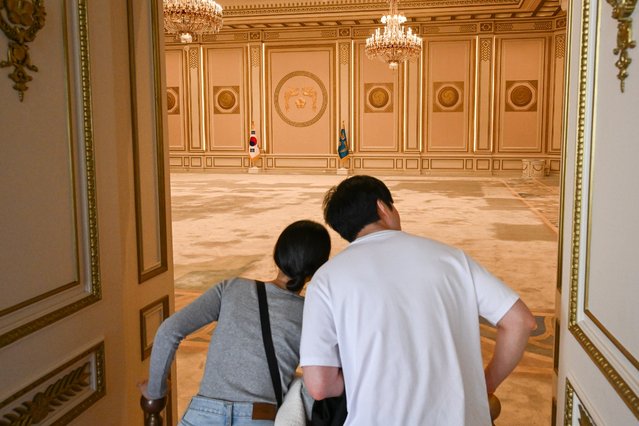
Citizens who visited the Blue House guest house on April 20, 2025 are looking around the interior. The number of visitors has skyrocketed since the impeachment of former President Yoon Seok-yeol, as the possibility of the next government returning to the Blue House has been raised. (Photo by Koh Woon-ho)
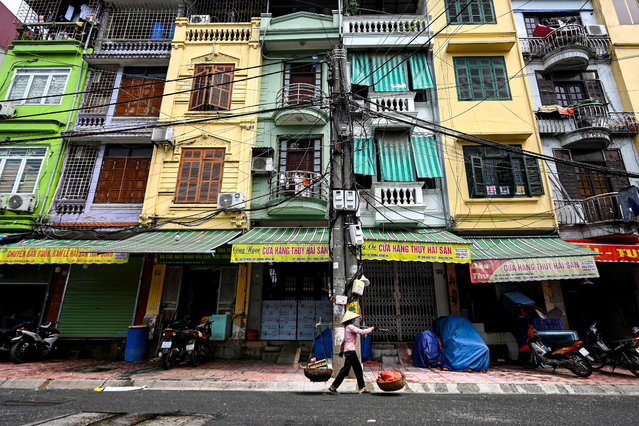
This photograph taken on June 8, 2021 shows a street vendor walking past narrow residential houses, known as “nha ong” in Vietnamese or “tube houses”, in an urban area of Hanoi. (Photo by Manan Vatsyayana/AFP Photo)
An image from House Television shows Republican John Rose speaking on the floor of the House of Representatives as his son Guy makes a face in Washington DC, US on June 4, 2024. (Photo by AP Photo)
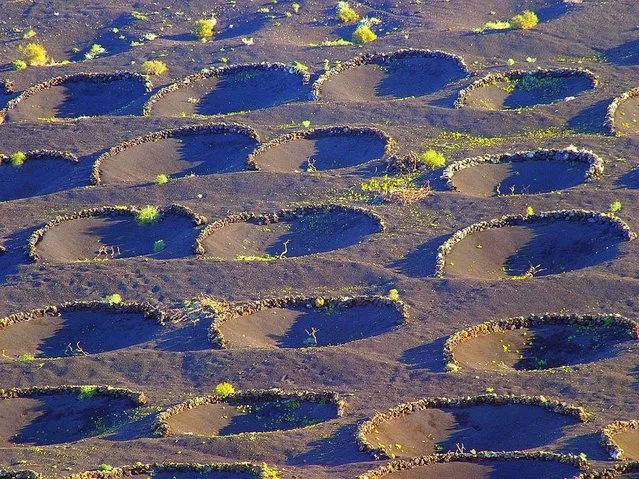
The valley of La Geria, which has been declared a 'Protected Area', is Lanzarote’s main wine-growing region, occupying about 20 square miles (52 square kilometres) and stretching on both sides of the road from Masdache to Uga and right up to the volcanic slopes. This area produces most of Lanzarote’s excellent wines, of which 75 per cent are made from the Malvasía grape, one of the oldest known grape varieties. Best known as a honey-coloured, very sweet wine with a rich flavour, already praised by Shakespeare hundreds of years ago, today the Malvasía grape produces a wide variety of quality white, red or rosé wines, from very sweet to very dry.
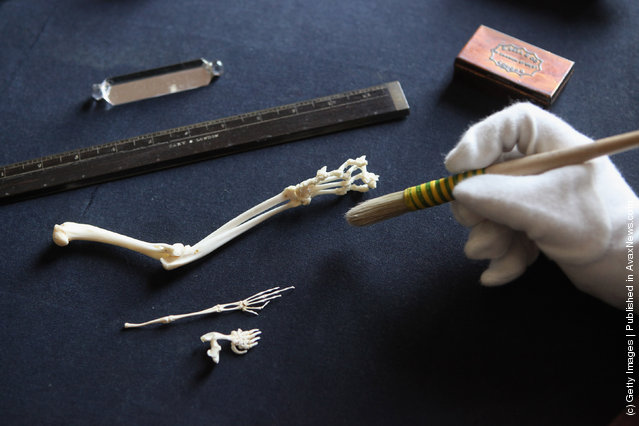
Emily Hasler, an English Heritage employee at Charles Darwin's home, Down House, cleans a rabbit bone in his old study on April 2, 2011 in Downe, England. Staff at the house are cleaning and preparing the property ahead of their peak visitor season. The house contains the study where Darwin wrote “On the Origin of Species”, as well as family rooms and an extensive garden that inspired the renowned scientist. (Photo by Oli Scarff/Getty Images)
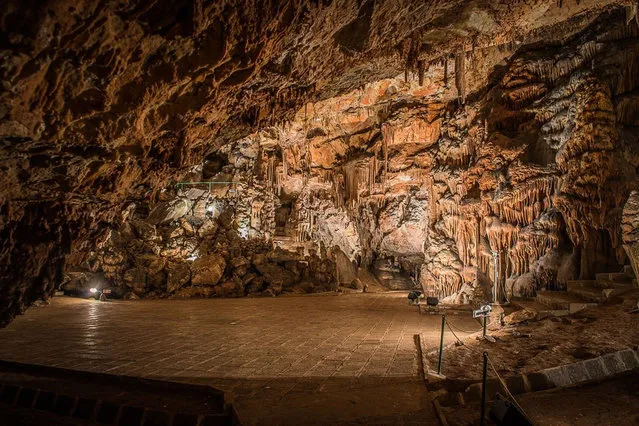
Saeva dupka (Bulgarian: Съева дупка) is a cave in Northern Bulgaria near the village of Brestnitsa, Lovech Province (43°2′N 24°11′E). Its five halls and 400 metres of corridors offer some of the most beautiful cave formations in the country. Besides that the cave has hosted many Choral music performances, thanks to the excellent acoustic conditions. Saeva dupka was named after two brothers Seyu and Sae who used it as a hiding place during the Ottoman occupation of Bulgaria. Recent excavations have showed the cave was inhabited since Roman times. Currently Saeva dupka is one of the 100 Tourist Sites of Bulgaria.