Loading...
Done


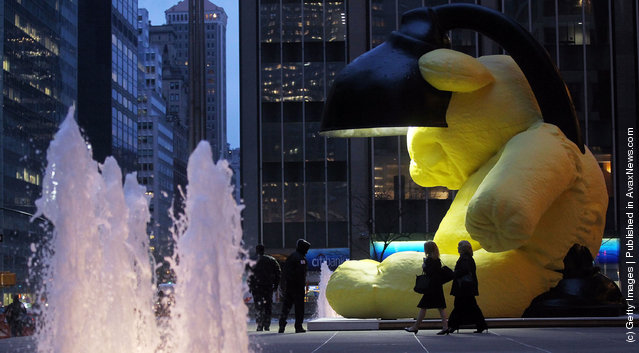
People walk past the 23-foot “Unitled (LAMP/BEAR)” outdoor sculpture of a teddy bear by artist Urs Fischer April 8, 2011 in New York City. The 35,000 pound sculpture of a yellow teddy bear with a working lamp will be on display for five months in front of the Seagram Building in Manhattan. The sculpture is expected to sell for more than $10 million at Christie’s Post-War & Contemporary Evening Sale on May 11. (Photo by Mario Tama/Getty Images)
Details
10 Apr 2011 07:10:00


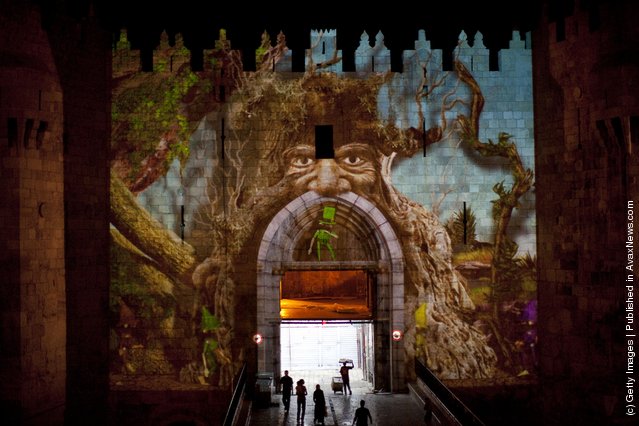
People walk throw the Damascus gate during the Jerusalem Festival of Lights on June 15, 2011 at Jerusalem's Old City, Israel. The festival opened on Wednesday night and will run for a week in the Old City of Jerusalem, hosting Israeli and international artists and creators who will display their installations throughout the week. (Photo by Uriel Sinai/Getty Images)
Details
16 Jun 2011 10:52:00


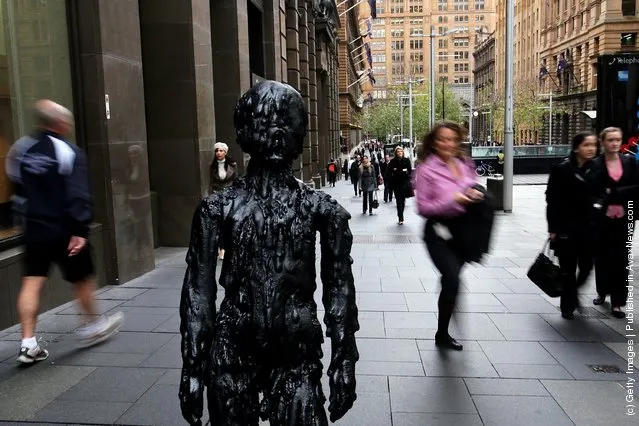
Sydneysiders walk amongst tar figures placed in the CBD to raise awareness about the damage smoking causes to the body at Martin Place on June 30, 2011 in Sydney, Australia. Each of the tar figures represent the profile of smokers, from the casual weekend smoker to the one with a lifelong addiction. (Photo by Lisa Maree Williams/Getty Images)
Details
30 Jun 2011 10:58:00
Luca Luca Runway Spring 2012 Mercedes-Benz Fashion Week

A model walks the runway at the Luca Luca Spring 2012 fashion show during Mercedes-Benz Fashion Week at The Stage at Lincoln Center on September 9, 2011 in New York City. (Photo by Frazer Harrison/Getty Images for Mercedes-Benz Fashion Week)
Details
10 Sep 2011 11:50:00
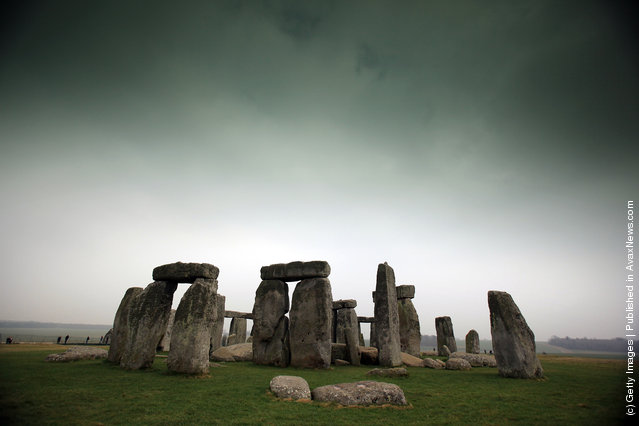
The ancient monument at Stonehenge

Visitors and tourists walk around the ancient monument at Stonehenge on March 2 2012 in Wiltshire, England. The English Heritage, managed prehistoric UNESCO World Heritage site, believed to have been constructed in 3000BC, has always been a “must see” attraction for visitors to the UK and it is hoped that it will remain so for visitors to the London 2012 Olympic Games this summer. (Photo by Matt Cardy/Getty Images)
Details
04 Mar 2012 12:29:00
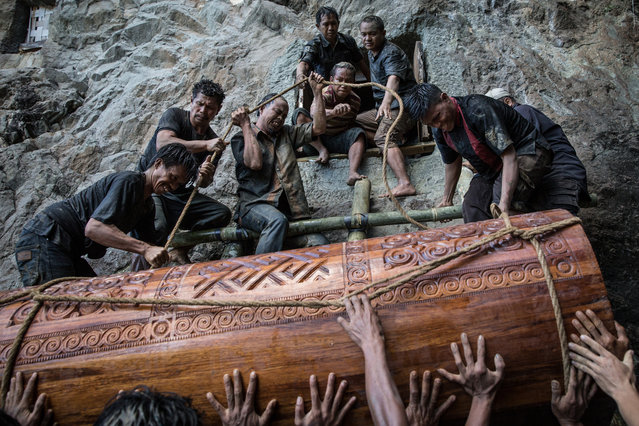
It is said that Torajans are people who “live to die”. For this Indonesian ethnic group, funerals are such extravagant events that they sometimes attract tourists. Families can postpone burials years (and the deceased are considered sick and hosted at home until the funeral) until the family can raise enough money and gather as many relatives as possible. And then it’s a jubilant multiday social event with a parade, dances and animal sacrifices. Agung Parameswara photographed these funerary practices when he traveled to South Sulawesi province, where the Torajans live. But often, their funeral isn’t the last time the dead are seen. In August, crypts are opened, coffins are slid back out and bodies delicately unsheathed. This tender ritual is known as Ma’Nene, which is customarily performed every few years. (Photo by Agung Parameswara/The Washington Post)

It is said that Torajans are people who “live to die”. For this Indonesian ethnic group, funerals are such extravagant events that they sometimes attract tourists. Families can postpone burials years (and the deceased are considered sick and hosted at home until the funeral) until the family can raise enough money and gather as many relatives as possible. And then it’s a jubilant multiday social event with a parade, dances and animal sacrifices. Agung Parameswara photographed these funerary practices when he traveled to South Sulawesi province, where the Torajans live. (Photo by Agung Parameswara/The Washington Post)
Details
06 Oct 2016 09:15:00
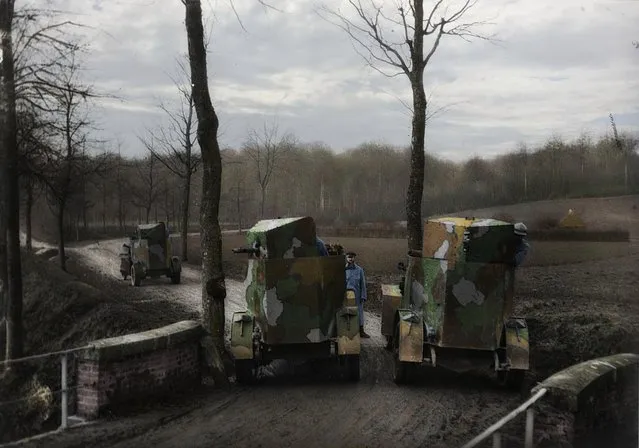
The expertly colourised shots were brought to life by French bank technician, Frédéric Duriez (51). The images were provided by the Valois collection which belongs to the BDIC. “By colourising these photos, I reduce the time that separates us today from this conflict”, said Frédéric. “A black and white photo does not attract the attention of young people, if you colour it, then people will look at it with curiosity. After this, we see the greater the misery and distress of these French fighters”. The total number of casualties in WW1 was more that 38 million. By the end of the war, over eight-million men had been called up to fight in the French army. France suffered 4.2 million casualties during the war with 1.3 million people dead. Here: Car cannon sections in firing position, Auxi-le-Château. (Photo by Frédéric Duriez/BDIC/Mediadrumworld.com)

The expertly colourised shots were brought to life by French bank technician, Frédéric Duriez (51). The images were provided by the Valois collection which belongs to the BDIC. “By colourising these photos, I reduce the time that separates us today from this conflict”, said Frédéric. Here: Car cannon sections in firing position, Auxi-le-Château. (Photo by Frédéric Duriez/BDIC/Mediadrumworld.com)
Details
03 May 2017 08:41:00
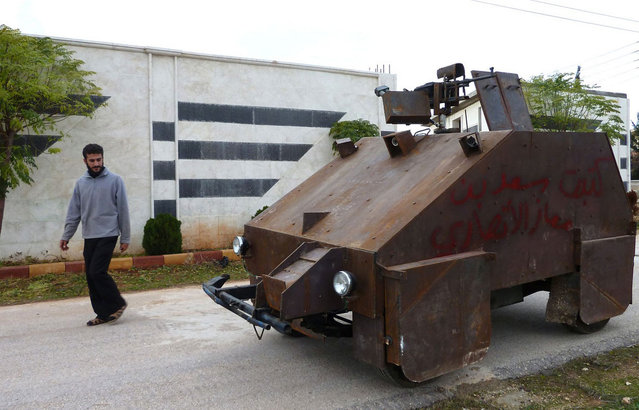
A Syrian rebel walks past Sham 2, a homemade armored vehicle, in Bishqatin, Syria, on December 8, 2012. From a distance it looks rather like a big rusty metal box but closer inspection reveals a homemade armored vehicle waiting to be deployed. Sham II, named after ancient Syria, is built from the chassis of a car and touted by rebels as “100 percent made in Syria”. (Photo by Herve Bar/AFP Photo)

A Syrian rebel walks past Sham 2, a homemade armored vehicle, in Bishqatin, Syria, on December 8, 2012. From a distance it looks rather like a big rusty metal box but closer inspection reveals a homemade armored vehicle waiting to be deployed. Sham II, named after ancient Syria, is built from the chassis of a car and touted by rebels as “100 percent made in Syria”. (Photo by Herve Bar/AFP Photo)
Details
03 Sep 2013 09:30:00