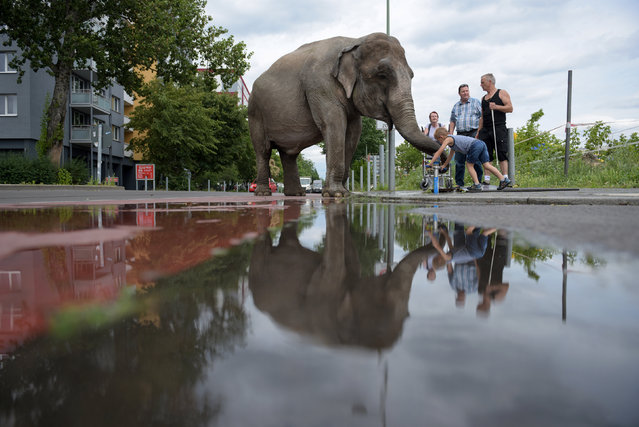
Elephant Maja of Circus Bush on his daily walk with Circus ringmaster Hardy Scholl (R) on Berlin streets in Berlin, Germany June 30, 2016. (Photo by Stefanie Loos/Reuters)
Christopher Blevins from the USA in action on his way winning the Cross Country Short Track Elite Men UCI XCC Mountain Bike World Series race in Nove Mesto na Morave, Czech Republic, 25 May 2025. (Photo by Maxime Schmid/EPA)
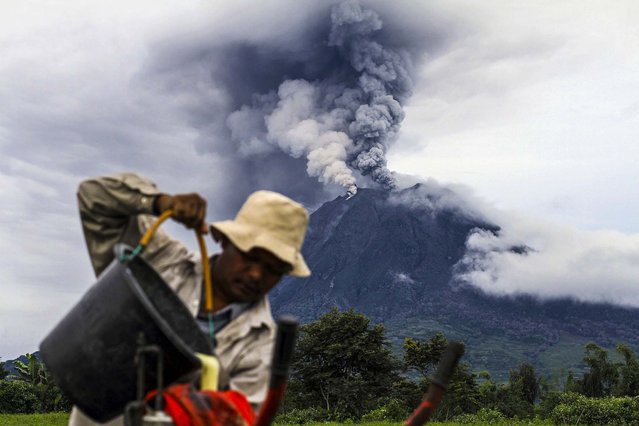
A villager pours pesticide from a bucket as Mount Sinabung spews ash at Kebayaken village in Karo district, Indonesia's North Sumatra province, on December 4, 2013. The country has ordered the evacuation of 15,000 residents near the active volcano. (Photo by Roni Bintang/Reuters)
Supermodel Emily Ratajkowski in the last decade of September 2025 raised the temperature as she posed for steamy lingerie snaps to promote her campaign with Lounge underwear. The American businesswomen and producer has faced criticism over the years for her self-defined sexiness and womanhood but leaves little to the imagination as she showcases her seasonal picks from top lingerie firm. (Photo by Lounge/Morgan Maher)
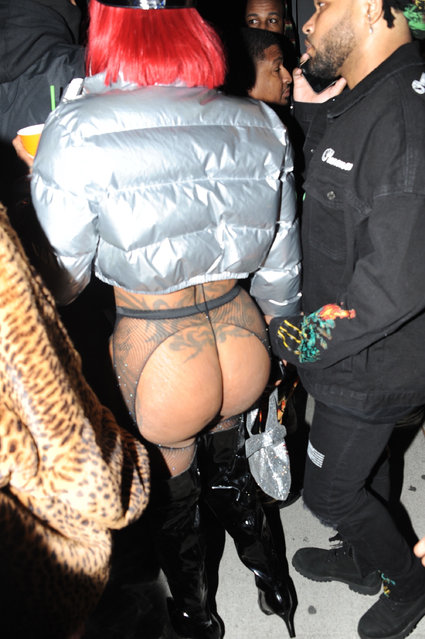
Black Ink Crew's Fly Tatted Sky puts her assets on display in a revealing outfit outside Cardi B's 29th birthday party hosted at La River Studios in Los Angeles, CA. on October 11 2021. (Photo by GIO/Backgrid USA)
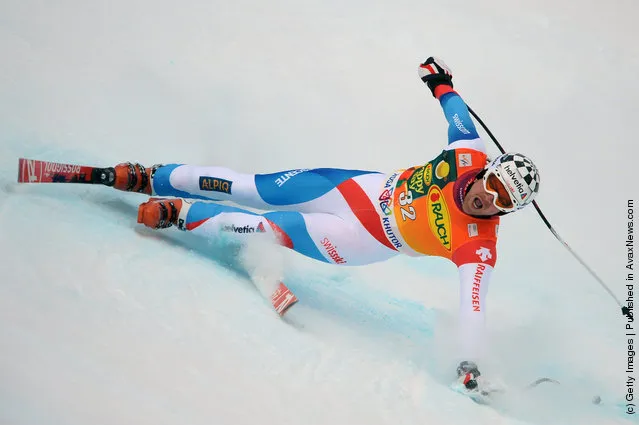
Marc Berthod of Switzerland during the Audi FIS Alpine Ski World Cup Men's Super Combined on February 12, 2012 in Sochi, Russia. (Photo by Vianney Thibaut/Agence Zoom/Getty Images)
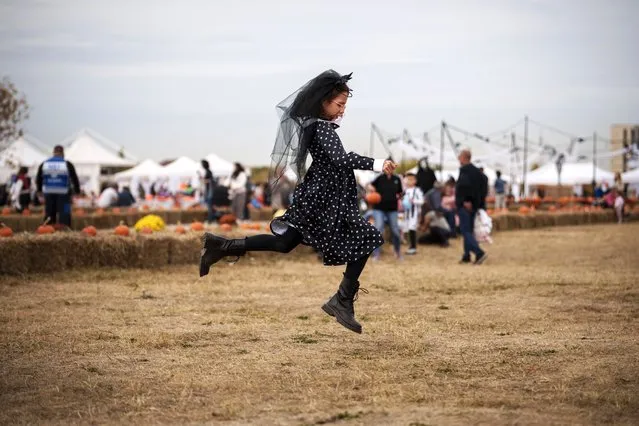
A girl plays at the West Side Hallo Fest, a Halloween festival in Bucharest, Romania, Friday, October 27, 2023. Tens of thousands streamed last weekend to Bucharest's Angels' Island peninsula for what was the biggest Halloween festival in the Eastern European nation since the fall of Communism. (Photo by Vadim Ghirda/AP Photo)