Loading...
Done
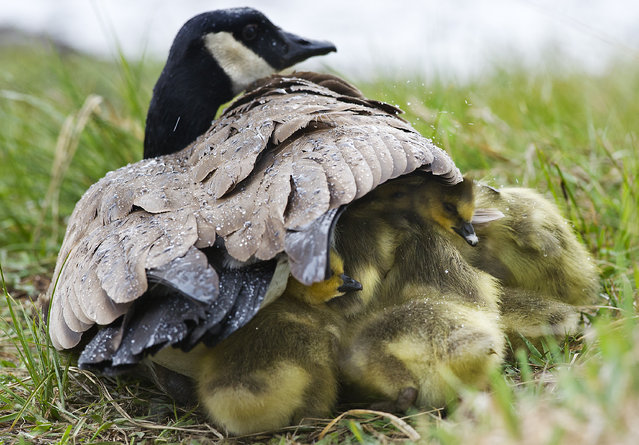
A gaggle  of goslings huddle together under the protective wing of a parent along the bank of the Deschutes River as a heavy downpour passes through Bend, Oregon, late Wednesday, April, 20, 2106 afternoon. (Photo by Ryan Brennecke/The Bulletin via AP Photo)

A gaggle of goslings huddle together under the protective wing of a parent along the bank of the Deschutes River as a heavy downpour passes through Bend, Oregon, late Wednesday, April, 20, 2106 afternoon. (Photo by Ryan Brennecke/The Bulletin via AP Photo)
Details
24 Apr 2016 09:20:00
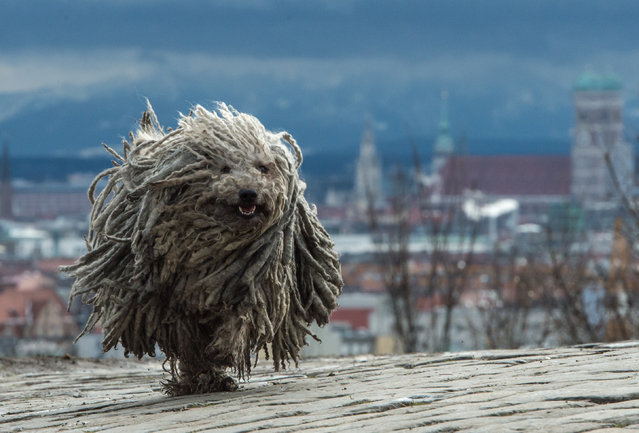
Seven year old Hungarian herding dog Derci runs along the Olympiaberg hill during stormy weather in Munich, southern Germany, Monday, January 4, 2016. (Photo by Matthias Balk/DPA via AP Photo)

Seven year old Hungarian herding dog Derci runs along the Olympiaberg hill during stormy weather in Munich, southern Germany, Monday, January 4, 2016. (Photo by Matthias Balk/DPA via AP Photo)
Details
09 Jan 2016 08:01:00
Newlyweds celebrate their wedding surrounded by friends on Red Square in Moscow on November 11, 2020, amid the ongoing coronavirus disease pandemic. (Photo by Natalia Kolesnikova/AFP Photo)

Newlyweds celebrate their wedding surrounded by friends on Red Square in Moscow on November 11, 2020, amid the ongoing coronavirus disease pandemic. (Photo by Natalia Kolesnikova/AFP Photo)
Details
26 Nov 2020 00:05:00
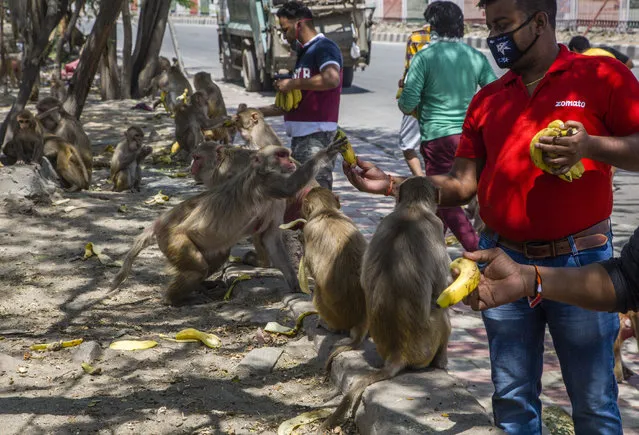
Men give bananas to monkeys gathered on the side of the road as India remains under an unprecedented lockdown over the highly contagious coronavirus (COVID-19) on April 08, 2020 in New Delhi, India. Wild animals, including monkeys, are roaming human settlements in India as people are staying indoors due to the 21-day lockdown. With India's 1.3 billion population and tens of millions of cars off the roads, wildlife is moving towards areas inhabited by humans. Wild animals in many countries have been seen roaming streets. A study says some 60 percent of the new diseases found around the globe every year are zoonotic, meaning they originate in animals and are passed on to humans. COVID-19 is a zoonotic disease that is suspected to have come from the wet markets of Wuhan, China. (Photo by Yawar Nazir/Getty Images)

Men give bananas to monkeys gathered on the side of the road as India remains under an unprecedented lockdown over the highly contagious coronavirus (COVID-19) on April 08, 2020 in New Delhi, India. Wild animals, including monkeys, are roaming human settlements in India as people are staying indoors due to the 21-day lockdown. (Photo by Yawar Nazir/Getty Images)
Details
12 Apr 2020 00:05:00
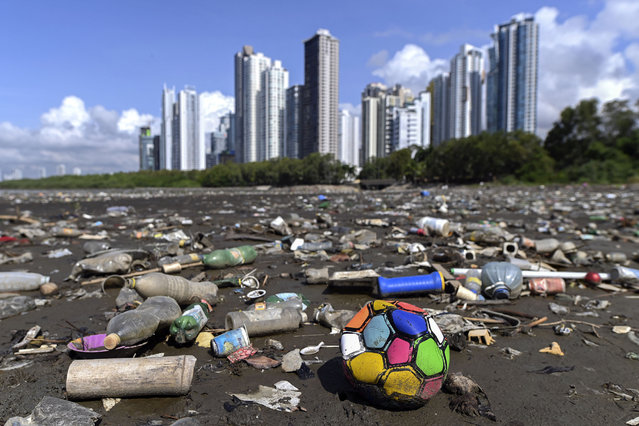
Garbage, including plastic waste, is seen at the beach of Costa del Este, in Panama City, on April 19, 2021. Every two weeks, Marine Biology students descend about five meters in the sea to take care of a coral nursery of the staghorn species (Acropora cervicornis) in Portobelo, Panama, with which they aim to restore reefs damaged by climate change and pollution, as part of the Reef2Reef project. (Photo by Luis Acosta/AFP Photo)

Garbage, including plastic waste, is seen at the beach of Costa del Este, in Panama City, on April 19, 2021. Every two weeks, Marine Biology students descend about five meters in the sea to take care of a coral nursery of the staghorn species (Acropora cervicornis) in Portobelo, Panama, with which they aim to restore reefs damaged by climate change and pollution, as part of the Reef2Reef project. (Photo by Luis Acosta/AFP Photo)
Details
21 Jun 2021 07:30:00
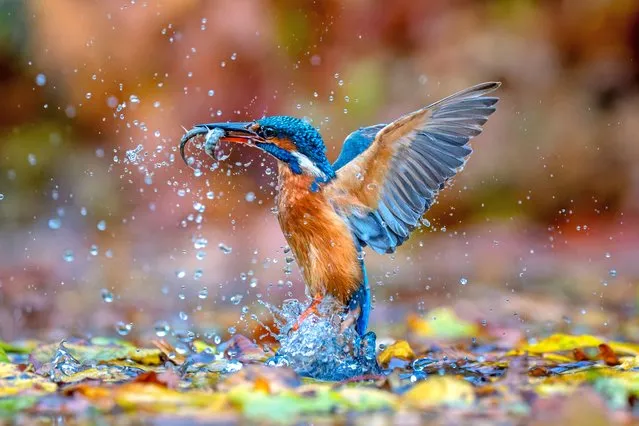
A kingfisher dives into the leafy water of the River Alde near Rendham, Suffolk in the second decade of November 2022 and catches two fish. Kingfishers must be able to see the fish they want to catch before making their dive, so for this bird to be successful when leaves covered the surface of the water shows its true skill for survival. (Photo by Ivor Ottley/Animal News Agency)

A kingfisher dives into the leafy water of the River Alde near Rendham, Suffolk in the second decade of November 2022 and catches two fish. Kingfishers must be able to see the fish they want to catch before making their dive, so for this bird to be successful when leaves covered the surface of the water shows its true skill for survival. (Photo by Ivor Ottley/Animal News Agency)
Details
20 Nov 2022 05:49:00
Dozens of people participate in the religious pilgrimage to the National Shrine of El Rincon, in the municipality of Boyeros, in Havana, Cuba, 17 December 2018. As is customary every year, thousands of people in mass attend the shrine to pay tribute to Saint Lazarus, to whom the faithful come for personal requests and miracles. (Photo by Ernesto Mastrascusa/EPA/EFE)

Dozens of people participate in the religious pilgrimage to the National Shrine of El Rincon, in the municipality of Boyeros, in Havana, Cuba, 17 December 2018. As is customary every year, thousands of people in mass attend the shrine to pay tribute to Saint Lazarus, to whom the faithful come for personal requests and miracles. (Photo by Ernesto Mastrascusa/EPA/EFE)
Details
19 Dec 2018 00:03:00
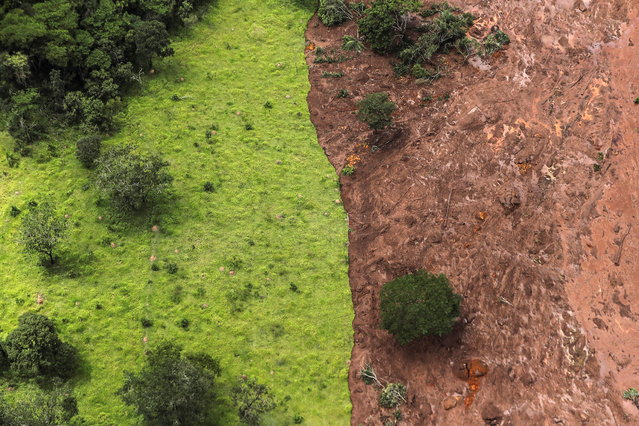
Aerial view over mud and waste from the disaster caused by dam spill in Brumadinho, Minas Gerais, Brazil, 26 January 2019. At least nine people have died and 300 are missing after a tailings dam burst at the Feijao mine in southeastern Brazil owned by Vale, the world's largest iron-ore producer, the Minas Gerais state government said. The dam in Brumadinho near Belo Horizonte broke on 25 January at around mid-day, unleashing a river of sludge that destroyed some nearby houses. (Photo by Antonio Lacerda/EPA/EFE)

Aerial view over mud and waste from the disaster caused by dam spill in Brumadinho, Minas Gerais, Brazil, 26 January 2019. At least nine people have died and 300 are missing after a tailings dam burst at the Feijao mine in southeastern Brazil owned by Vale, the world's largest iron-ore producer, the Minas Gerais state government said. The dam in Brumadinho near Belo Horizonte broke on 25 January at around mid-day, unleashing a river of sludge that destroyed some nearby houses. (Photo by Antonio Lacerda/EPA/EFE)
Details
29 Jan 2019 00:03:00