Loading...
Done
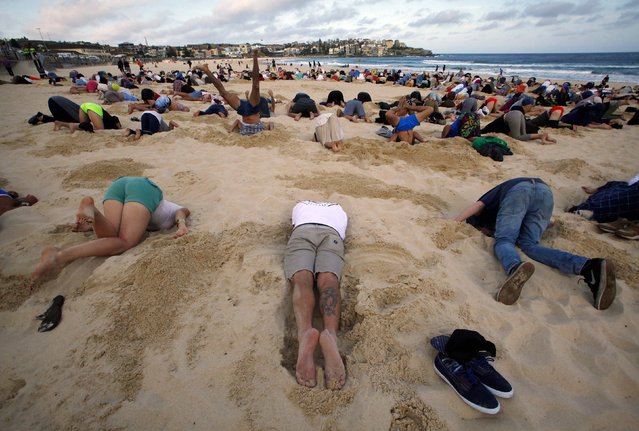
A group of around 400 demonstrators participate in a protest by burying their heads in the sand at Sydney's Bondi Beach November 13, 2014. (Photo by David Gray/Reuters)

A group of around 400 demonstrators participate in a protest by burying their heads in the sand at Sydney's Bondi Beach November 13, 2014. Hundreds of protesters participated in the event, held ahead of Saturday's G20 summit in Brisbane, which was being promoted as a message to Australian Prime Minister Tony Abbott's government that, “You have your head in the sand on climate change”. (Photo by David Gray/Reuters)
Details
14 Nov 2014 13:47:00
A model prepares backstage at the Meskita fashion show during Mercedes-Benz Fashion Week Spring 2015 on September 4, 2014 in New York City. (Photo by Larry Busacca/Getty Images for Meskita)

A model prepares backstage at the Meskita fashion show during Mercedes-Benz Fashion Week Spring 2015 on September 4, 2014 in New York City. (Photo by Larry Busacca/Getty Images for Meskita)
Details
16 Sep 2014 12:37:00
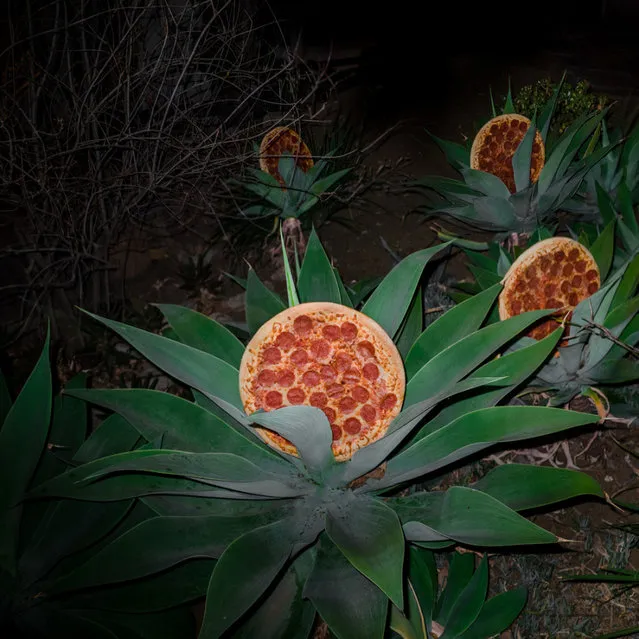
Pizza In The Wild By Jonpaul Douglass

Every once and a while an artistic endeavor is so bold, so courageous and so innovative we are left speechless in its wake. Today, that project is “Pizza in the Wild”. The brainchild of Los Angeles-based photographer Jonpaul Douglass, the Instagram series that is so much more follows unsupervised pizzas – pepperoni pizzas, to be exact – living the L.A. life.
Details
18 Sep 2014 12:37:00
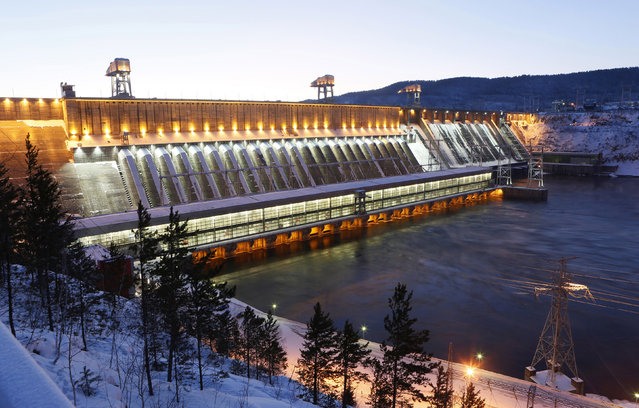
A general view shows the Krasnoyarsk hydro-electric power station on the Yenisei River near the Siberian city of Krasnoyarsk, Russia, January 13, 2016. The power plant, owned by EuroSibEnergo company, part of En+ Group, with a generating capacity of 6,000 megawatt (MW), has a ferro-concrete dam 124-metres high and 1065-metres long and is the second largest Russian hydroelectric power station. About 85% of the energy generated is intended for the Rusal Krasnoyarsk aluminium smelter, according to representatives of the power station. (Photo by Ilya Naymushin/Reuters)

A general view shows the Krasnoyarsk hydro-electric power station on the Yenisei River near the Siberian city of Krasnoyarsk, Russia, January 13, 2016. The power plant, owned by EuroSibEnergo company, part of En+ Group, with a generating capacity of 6,000 megawatt (MW), has a ferro-concrete dam 124-metres high and 1065-metres long and is the second largest Russian hydroelectric power station. About 85% of the energy generated is intended for the Rusal Krasnoyarsk aluminium smelter, according to representatives of the power station. (Photo by Ilya Naymushin/Reuters)
Details
16 Jan 2016 08:03:00
Inna Vladimirskaya, 32, from Kiev, Ukraine running in the snow in Kiev, Ukraine in minus temperatures as she believes it will improve her health. (Photo by David Tesinsky/Caters News Agency)

This brave swimmer certainly has a brrracing workout each weekend she skinny dips in one of the coldest rivers in Europe which regularly plummets to temperaturess of –9C. Inna Vladimirskaya, 32, strips off on the banks of the Dnieper river, in Kiev, Ukraine, every Sunday morning, and takes a swim after jogging along the snowy banks of the river in the nip. (Photo by David Tesinsky/Caters News Agency)
Details
17 Mar 2018 00:05:00
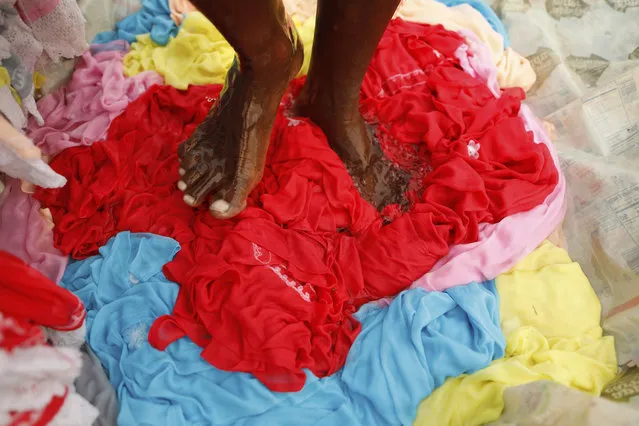
A dhobi, or a washerman washes cloths on the banks of the River Gomti in Lucknow, India, Saturday, September 12, 2020. Dhobis are traditional laundry workers who wash clothes by hand and dry them in the sun, an occupation which has been in existence for generations. Most cities in India have a Dhobi Ghat, or washermen's area, where the city's pile of clothes is laundered. This practice is still popular in India, despite of modern technology. Around 1,000 families work in Lucknow's Dhobi Ghat. However, in light of the novel coronavirus, their wages have decreased drastically. With each family earning around US$100-200 per month. (Photo by Rajesh Kumar Singh/AP Photo)

A dhobi, or a washerman washes cloths on the banks of the River Gomti in Lucknow, India, Saturday, September 12, 2020. Dhobis are traditional laundry workers who wash clothes by hand and dry them in the sun, an occupation which has been in existence for generations. Most cities in India have a Dhobi Ghat, or washermen's area, where the city's pile of clothes is laundered. This practice is still popular in India, despite of modern technology. Around 1,000 families work in Lucknow's Dhobi Ghat. However, in light of the novel coronavirus, their wages have decreased drastically. With each family earning around US$100-200 per month. (Photo by Rajesh Kumar Singh/AP Photo)
Details
25 Sep 2020 00:03:00
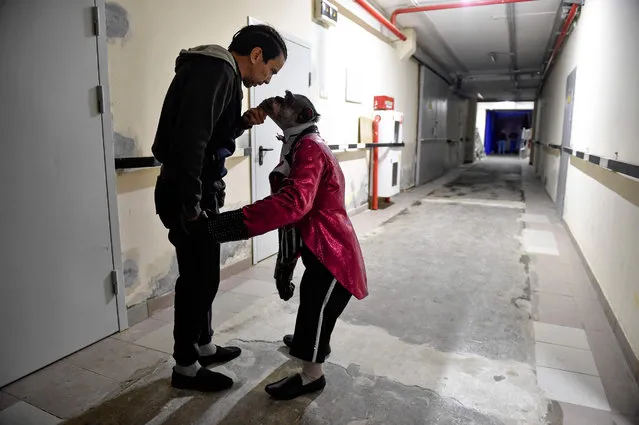
Murad Khydyrov, horse and monkey trainer at the Great Moscow State Circus, and chimpanzee named Micky get ready for a rehearsal of the show called “History” as the circus prepares for its new season, which is to begin on September 19, in Moscow on September 17, 2020. (Photo by Natalia Kolesnikova/AFP Photo)

Murad Khydyrov, horse and monkey trainer at the Great Moscow State Circus, and chimpanzee named Micky get ready for a rehearsal of the show called “History” as the circus prepares for its new season, which is to begin on September 19, in Moscow on September 17, 2020. (Photo by Natalia Kolesnikova/AFP Photo)
Details
27 Sep 2020 00:01:00
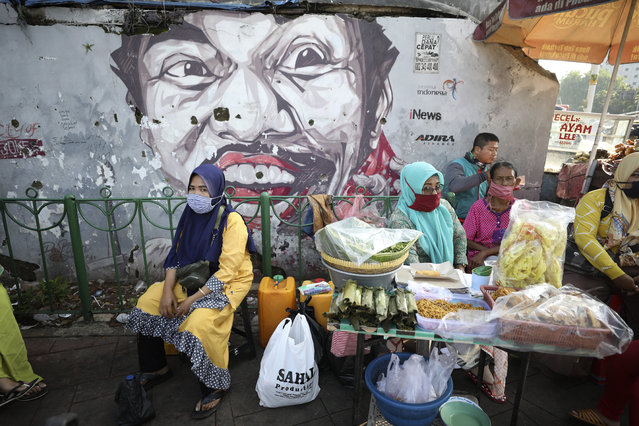
Indonesian women wearing masks as a precaution against the coronavirus outbreak sit at a food stall near a mural in Jakarta, Indonesia, Monday, September 21, 2020. (Photo by Dita Alangkara/AP Photo)

Indonesian women wearing masks as a precaution against the coronavirus outbreak sit at a food stall near a mural in Jakarta, Indonesia, Monday, September 21, 2020. (Photo by Dita Alangkara/AP Photo)
Details
03 Oct 2020 00:01:00