Loading...
Done
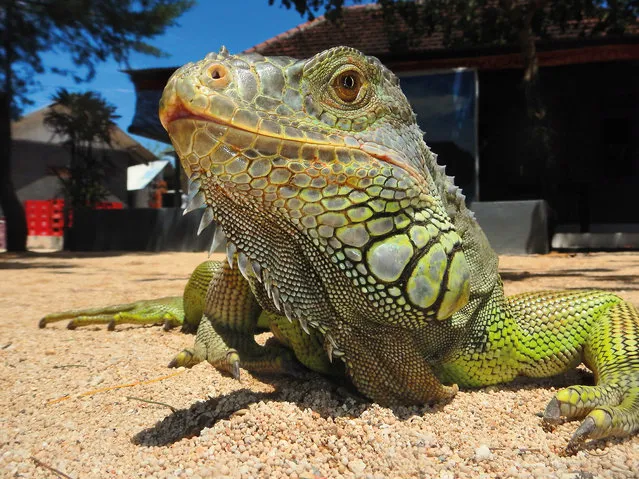
An iguana in Bali helped Julij Kopilović, age eight, from Slovenia, earn second runner-up in Amazing Animals. (Photo by Julij Kopilović/National Geographic)

An iguana in Bali helped Julij Kopilović, age eight, from Slovenia, earn second runner-up in Amazing Animals. (Photo by Julij Kopilović/National Geographic)
Details
04 Feb 2016 11:15:00
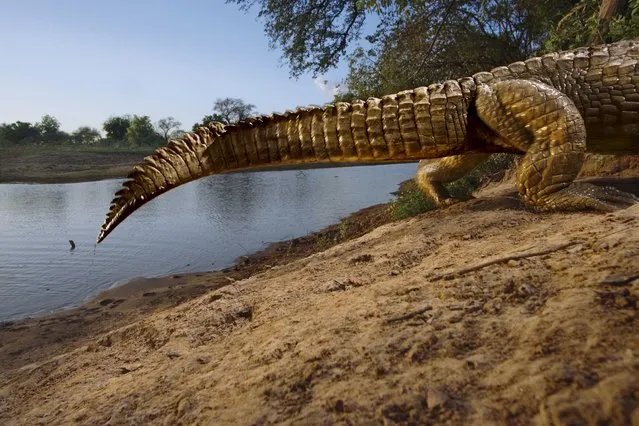
CT4 Crocodile cave on the Salamat river. Set up with Nathan Williamson last chip rain came while we were with the nomads. (Photo by Michael Nichols/National Geographic)

National Geographic has created “Air, Land & Sea: the 50 greatest wildlife photographs” exhibition. Here: CT4 Crocodile cave on the Salamat river. Set up with Nathan Williamson last chip rain came while we were with the nomads. (Photo by Michael Nichols/National Geographic)
Details
13 Sep 2018 00:03:00
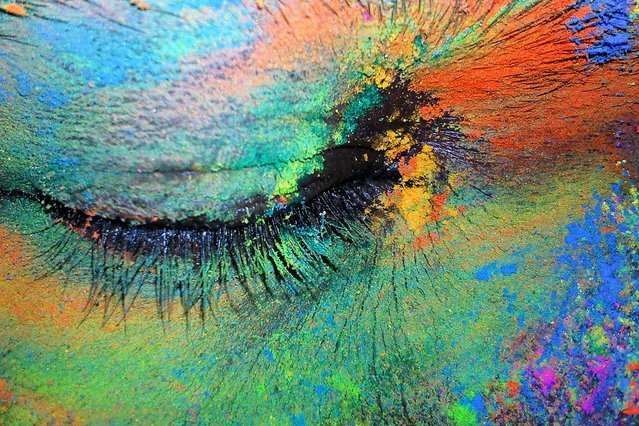
This close-up image – of a Holi Festival celebrant in Vrindivan, India, coated in neon-colored powder – was submitted to National Geographic’s Your Shot in the last week of March. On April 1 we published it on our Daily News site, along with seven other bright scenes captured during the Hindu spring Festival of Colors. (Photo by Tinto Alencherry/National Geographic)

This close-up image – of a Holi Festival celebrant in Vrindivan, India, coated in neon-colored powder – was submitted to National Geographic’s Your Shot in the last week of March. On April 1 we published it on our Daily News site, along with seven other bright scenes captured during the Hindu spring Festival of Colors. (Photo by Tinto Alencherry/National Geographic)
Details
06 Jan 2014 12:30:00
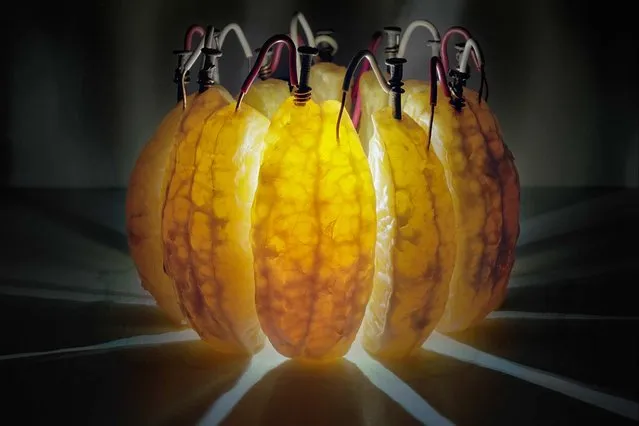
Wedges of an orange generate enough current and electrical juice – 3.5 volts – to power an LED. The fruit’s citric acid helps electrons flow from galvanized nails to copper wire in this 14-hour exposure. This image was published in September’s Visions of Earth, a trio of photos that appear in each issue of National Geographic. (Photo by Caleb Charland/National Geographic)

Wedges of an orange generate enough current and electrical juice – 3.5 volts – to power an LED. The fruit’s citric acid helps electrons flow from galvanized nails to copper wire in this 14-hour exposure. This image was published in September’s Visions of Earth, a trio of photos that appear in each issue of National Geographic. (Photo by Caleb Charland/National Geographic)
Details
06 Jan 2014 12:09:00
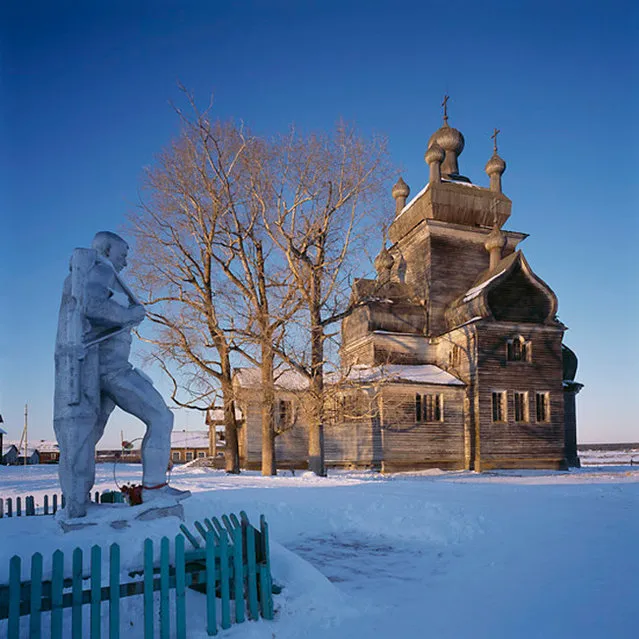
Wooden Churches - Travelling In The Russian North By Richard Davies Part 2

While communism, collectivism, worms, dry rot and casual looting failed to destroy the majestic wooden churches of Russia, it may be ordinary neglect that finally does them in. Dwindled now to several hundred remaining examples, these glories of vernacular architecture lie scattered amid the vastness of the world’s largest country. Just over a decade ago, Richard Davies, a British architectural photographer, struck out on a mission to record the fragile and poetic structures. Austerely beautiful and haunting, “Wooden Churches: Traveling in the Russian North” (White Sea Publishing; $132) is the result. Covering thousands of miles, Mr. Davies described how he and the writer Matilda Moreton tracked down the survivors from among the thousands of onion-domed structures built after Prince Vladimir converted to Christianity in 988.

See also: Wooden Churches Part1
Details
28 Nov 2013 12:13:00
Andrey Karr from Western Riders Slacklines at sunset above big waves in Nazare, Portugal on December 27, 2017. (Photo by Aidan Williams/National Geographic Travel Photographer of the Year Contest)

Andrey Karr from Western Riders Slacklines at sunset above big waves in Nazare, Portugal on December 27, 2017. (Photo by Aidan Williams/National Geographic Travel Photographer of the Year Contest)
Details
14 May 2018 00:03:00
Runner-up. “The heavens opened and the streets around Shibuya, Tokyo, were suddenly drenched in even more colour and movement. I was taking photos (my friend was holding the umbrella) when I noticed this woman at the crossing. I’m pleased with the futuristic feel of the image”. MICK RYAN, JUDGE: “A rich spectrum of colour, neon lights, a glistening street and a woman with an umbrella all combine with great composition to make this a very appealing photograph. Quite nearly perfection, if it wasn’t for the slightly distracting objects top left and bottom right”. (Photo by Katherine Bridgestock/The Guardian)

Runner-up. “The heavens opened and the streets around Shibuya, Tokyo, were suddenly drenched in even more colour and movement. I was taking photos (my friend was holding the umbrella) when I noticed this woman at the crossing. I’m pleased with the futuristic feel of the image”. (Photo by Katherine Bridgestock/The Guardian)
Details
08 Mar 2018 00:01:00
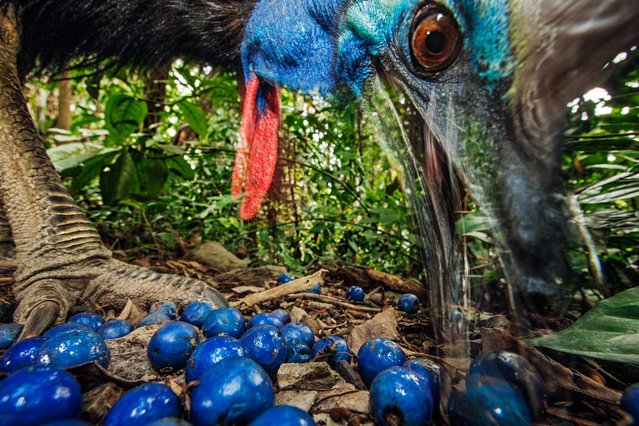
“Cassowaries are large, flightless birds related to emus and (more distantly) to ostriches, rheas, and kiwis”, writes Olivia Judson in the September issue of National Geographic magazine. (Photo by Christian Ziegler/National Geographic)

“Cassowaries are large, flightless birds related to emus and (more distantly) to ostriches, rheas, and kiwis”, writes Olivia Judson in the September issue of National Geographic magazine. How large? People-size: Adult males stand well over five foot five and top 110 pounds. Females are even taller, and can weigh more than 160 pounds. Dangerous when roused, they’re shy and peaceable when left alone. But even birds this big and tough are prey to habitat loss. The dense New Guinea and Australia rain forests where they live have dwindled. Today cassowaries might number 1,500 to 2,000. And because they help shape those same forests – by moving seeds from one place to another – “if they vanish”, Judson writes, “the structure of the forest would gradually change” too. (Photo by Christian Ziegler/National Geographic)
Details
06 Jan 2014 12:21:00