Loading...
Done


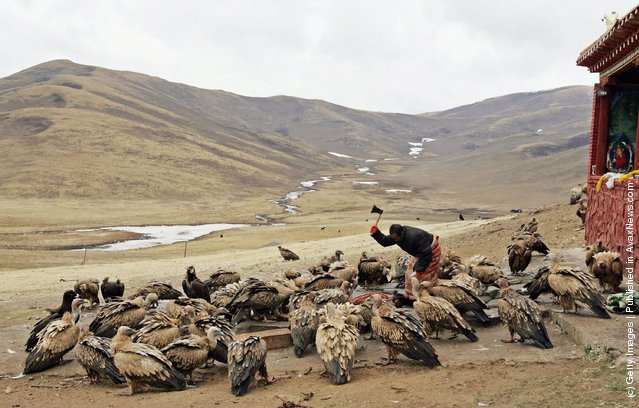
“Sky burial or ritual dissection was once a common funerary practice in Tibet wherein a human corpse is cut in specific locations and placed on a mountaintop, exposing it to the elements or the mahabhuta and animals – especially to birds of prey. The location of the sky burial preparation and place of execution are understood in the Vajrayana traditions as charnel grounds. In Tibet the practice is known as jhator, which literally means, «giving alms to the birds»”. – Wikipedia

Photo: A burial master chops bones of a body to feed vultures during a celestial burial ceremony on April 19, 2006 in Dari County of Guoluo Prefecture, Qinghai Province, northwest China. Celestial burial is a traditional funeral of Tibetan people, which began in the 7th century. (Photo by China Photos/Getty Images)
Details
18 Jun 2011 12:12:00
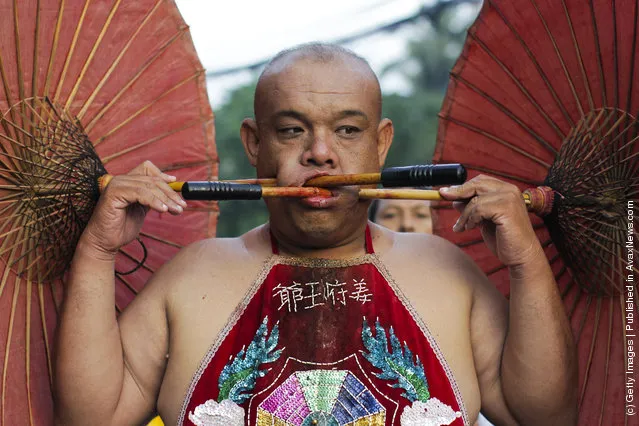
Devotees Practice Self Mutilation At Phuket Vegetarian Festival

A devotee of the Chinese shrine of Kathu Shrine, pierces his cheeks with umbrellas during a procession of Vegetarian Festival on October 4, 2011 in Phuket, Thailand. Ritual Vegetarianism in Phuket Island traces it roots back to the early 1800's. The festival begins on the first evening of the ninth lunar month and lasts for nine days. Participants in the festival perform acts of body piercing as a means of shifting evil spirits from individuals onto themselves and bring the community good luck. (Photo by Athit Perawongmetha/Getty Images)
Details
04 Oct 2011 10:49:00
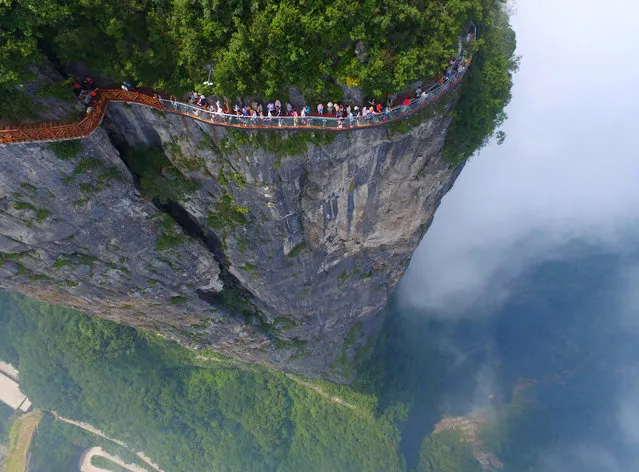
People walk on a sightseeing platform in Zhangjiajie, Hunan Province, China, August 1, 2016. (Photo by Reuters/Stringer)

People walk on a sightseeing platform in Zhangjiajie, Hunan Province, China, August 1, 2016. China has opened a 100-metre-long glass skywalk stretching around a cliff on the side of the Tianmen Mountain. The skywalk provides a view of a 300-metre drop and overlooks Tongtian Avenue, a mountain road with 99 turns that snakes up the mountain. When translated in English, it means “Avenue to the Sky”. (Photo by Reuters/Stringer)
Details
04 Aug 2016 10:39:00
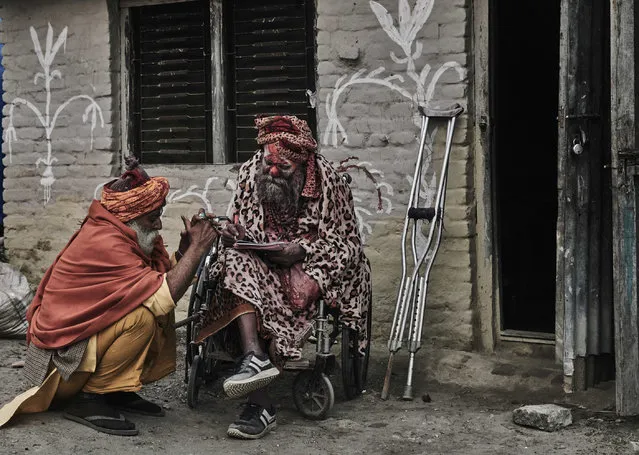
Two holy men with a decorative faces and headdresses, taken in Kathmandu, Nepal. (Photo by Jan Moeller Hansen/Barcroft Images)

Two holy men with a decorative faces and headdresses, taken in Kathmandu, Nepal. Wandering through the cities and forests of Nepal are the holy men, or Sadhus, who have left all materialistic pleasures behind to live a life devoted to God. Their appearances vary from brightly coloured face paints, and decorations, to minimalistic practical clothing, but they all represent the fundamental values and meanings of Hinduism. Danish photographer Jan Moeller Hansen visited the ancient capital city of Kathmandu between 2013 and 2016 and documented the mysterious holy wanderers. (Photo by Jan Moeller Hansen/Barcroft Images)
Details
02 Feb 2017 05:02:00


Everyone wants to get something for nothing - whether it's a lucky upgrade that means you can turn left when you get on a plane instead or heading off into the economy seats, or even getting a few extra features thrown in for free when you buy a new car.

As some of the sharpest businesses around, no-one understands this quite as well as casinos and that's why they all have a system that they call comps. It's short for "complimentary offers" and these are special treats specially designed to reward you for your loyalty to the casino in question. They're basically bonuses.
Details
30 Jan 2018 23:53:00
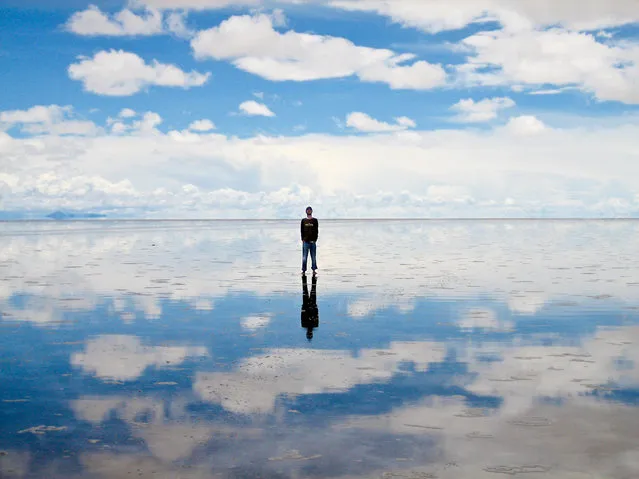
Salar de Uyuni

Salar de Uyuni (or Salar de Tunupa) is the world's largest salt flat at 10,582 square kilometers (4,086 sq mi). It is located in the Potosí and Oruro departments in southwest Bolivia, near the crest of the Andes, and is elevated 3,656 meters (11,995 ft) above mean sea level. The Salar was formed as a result of transformations between several prehistoric lakes. It is covered by a few meters of salt crust, which has an extraordinary flatness with the average altitude variations within one meter over the entire area of the Salar.
Details
04 Aug 2012 08:42:00


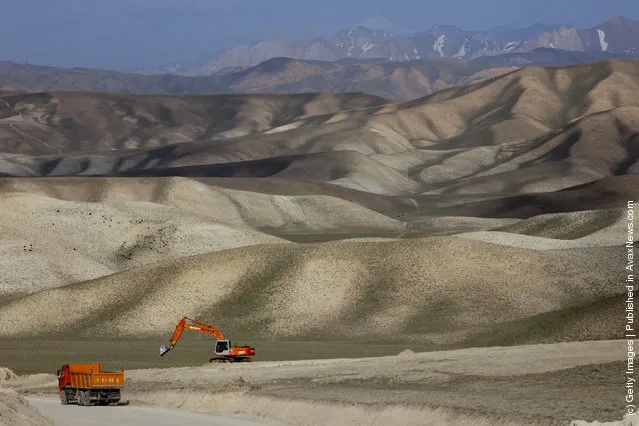
Heavy equipment works along the still under construction Bamiyan-Yakawlang road June 10, 2011 in Yakawlang, Afghanistan. The 69 Million US$ project is supported by the Government of Japan and World Bank. The 90K road project was started three years ago and is slated to be finished within another year. This new road means faster travel from Bamiyan to Afghanistan's only national park, Band-e-Amir. This is in of the safest parts of the country and the hope is to expand tourism in the region. (Photo by Paula Bronstein/Getty Images)
Details
11 Jun 2011 12:32:00
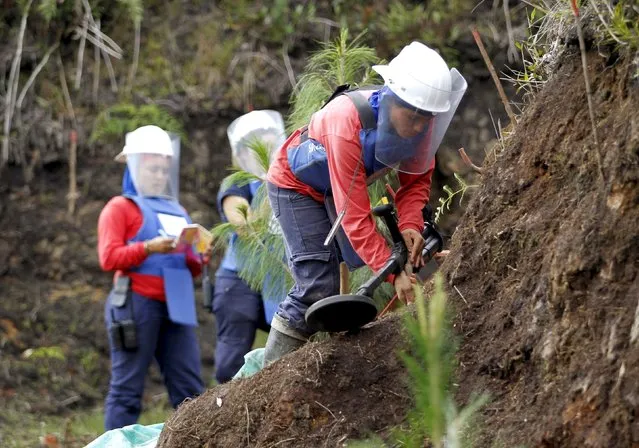
Natalia Arango works with her mine detector in a zone of landmines planted by rebels groups near Sonson in Antioquia province, November 19, 2015. (Photo by Fredy Builes/Reuters)

Natalia Arango works with her mine detector in a zone of landmines planted by rebels groups near Sonson in Antioquia province, November 19, 2015. Women's work takes on a nontraditional meaning for fifteen Colombian women who work to rid the Antioquia Mountains of deadly landmines as the country edges closer to a peace agreement with Marxist rebels to end over a decade of conflict which has claimed 220,000 lives. (Photo by Fredy Builes/Reuters)
Details
27 Nov 2015 04:44:00