Loading...
Done
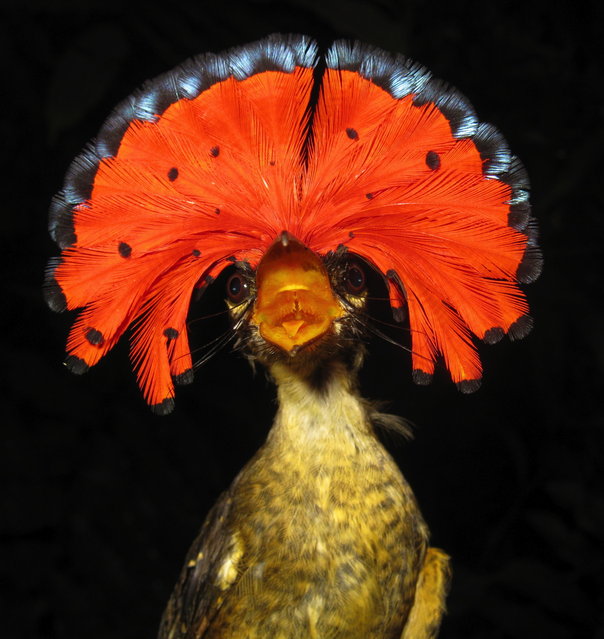
Royal Flycatcher

The Royal Flycatchers are birds in the genus Onychorhynchus in the Tityridae family. Depending on authority, it includes a single widespread, or four more localized species. The specific epithet of the type species, coronatus, and the common name of all the species in this genus, Royal Flycatcher, refer to the striking, colourful crest, which is seen displayed very rarely, except after mating, while preening, in courtship as well as being handled.
Details
02 Jun 2013 10:04:00
Kite Aerial By Seeing The World From New Heights

Kite Aerial photography (KAP) is a hobby and a type of photography. A camera is lifted using a kite and is triggered either remotely or automatically to take aerial photographs. The camera rigs can range from the extremely simple, consisting of a trigger mechanism with a disposable camera, to complex apparatus using radio control and digital cameras. On some occasions it can be a good alternative to other forms of aerial photography.
Details
17 Jan 2014 13:22:00
Driftwood Dragons Sculptures By James Doran

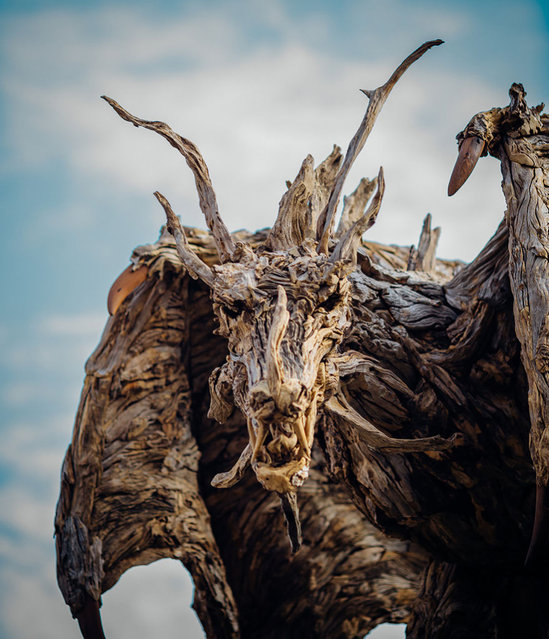
James Doran has created two epic dragon sculpture. The first, perched on a dead tree, is called ‘The Wyvern in the Baobabs’ (a wyvern is a type of dragon with two legs and two wings). The other, ‘Wyvern’s Folly,’ is perched on a gazebo made from reclaimed steel and recycled water bottles.
Details
07 Jul 2015 11:26:00
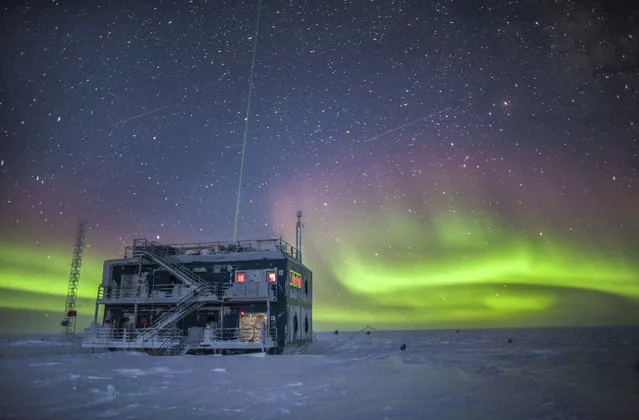
This undated photo provided by NOAA in May 2018 shows aurora australis near the South Pole Atmospheric Research Observatory in Antarctica. When a hole in the ozone formed over Antarctica, countries around the world in 1987 agreed to phase out several types of ozone-depleting chemicals called chlorofluorocarbons (CFCs). Production was banned, emissions fell and the hole shriveled. But according to a study released on Wednesday, May 16, 2018, scientists say since 2013, there’s more of a banned CFC going into the atmosphere. (Photo by Patrick Cullis/NOAA via AP Photo)

This undated photo provided by NOAA in May 2018 shows aurora australis near the South Pole Atmospheric Research Observatory in Antarctica. When a hole in the ozone formed over Antarctica, countries around the world in 1987 agreed to phase out several types of ozone-depleting chemicals called chlorofluorocarbons (CFCs). Production was banned, emissions fell and the hole shriveled. But according to a study released on Wednesday, May 16, 2018, scientists say since 2013, there’s more of a banned CFC going into the atmosphere. (Photo by Patrick Cullis/NOAA via AP Photo)
Details
15 Aug 2018 00:05:00
The Royal Navy Destroyer HMS Daring Sets Sail On Its Maiden Deployment

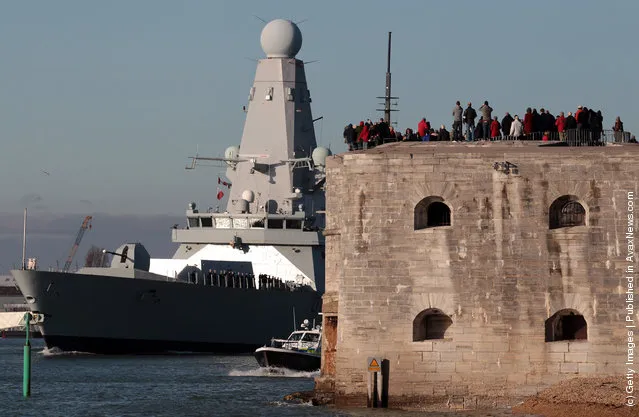
Crowds wave as HMS Daring, the largest and most powerful destroyer warship ever built for the Royal Navy, leaves Portsmouth Harbour on January 11, 2012 in Portsmouth, England. HMS Daring, the first of six new Type 45 destroyers embarked from Portsmouth on its maiden deployment, a seven-month mission to the Middle East. (Photo by Matt Cardy/Getty Images)
Details
12 Jan 2012 12:36:00
How To Make Gold In Russia (Video)

Krastsvetmet, located beside the beautiful Yensei river in the metropolis of Krasnoyarsk, Russia, is a refinery of all types of precious metals on an industrial scale.

Please Subscribe To: Our Youtube Channel
Details
18 Nov 2016 23:26:00
Iris Scott - Painting With Fingers

Though finger painting is normally associated with tempera paint and messy classroom art projects, Iris Scott is quickly changing what "finger painting" brings to mind. Wearing surgical gloves and painting with high grade oils, Iris achieves a whirlwind of crisscrossing color strokes and a vibrant impressionistic style. Since 2009, when Iris first began finger painting in Taiwan, her artistic career has caught her by surprise. Grateful for a new global market of online art collectors, Iris has shipped to Dubai, Ireland, and all over the USA.
Details
10 Jun 2013 09:15:00
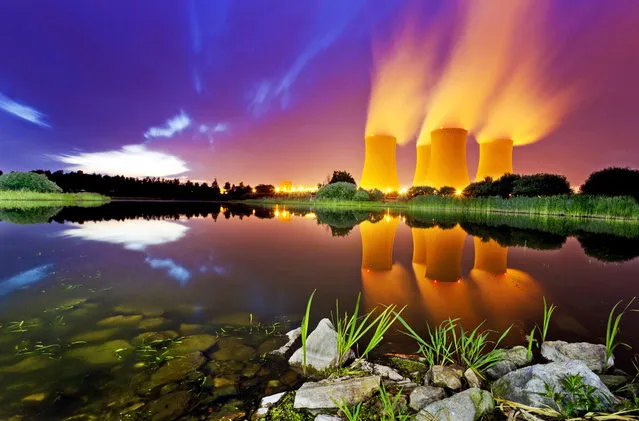
Nuclear power station Temelin, Czech Republic. (Photo by Radek Kalhous/Caters News)

“You wouldn’t normally associate power stations with beautiful scenic shots but one photographer has traveled nearly 2000 to track down the ugliest energy plants and show them in a whole new light. Czech snapper, Radek Kalhous, uses Google Earth to find the perfect locations for his unique pictures and arrives at each site after sunset to create the atmospheric shots”. – Caters News. Photo: Nuclear power station Temelin, Czech Republic. (Photo by Radek Kalhous/Caters News)
Details
27 Jul 2014 11:30:00