Loading...
Done
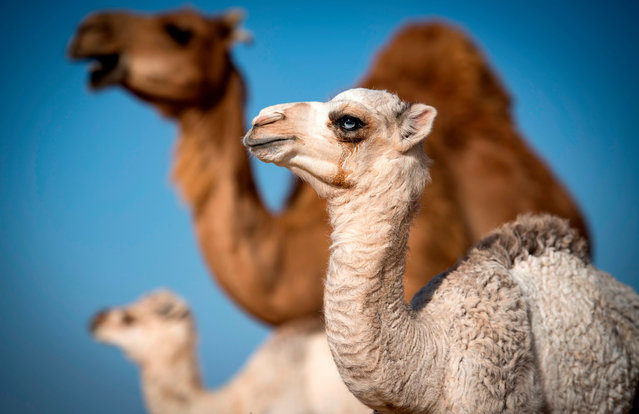
A camel calf is seen among a herd in the desert near Dakhla in Morocco-administered Western Sahara, on October 13, 2019. In the Oued Eddahab desert in Western Sahara, Habiboullah Dlimi raises dairy and racing camels just like his ancestors used to, but with a little help from modern technology. While his animals roam free and are milked traditionally, by hand, at dawn and dusk, they are watched over by hired herders and Dlimi follows GPS coordinates across the desert in a 4X4 vehicle to reach them. (Photo by Fadel Senna/AFP Photo)

A camel calf is seen among a herd in the desert near Dakhla in Morocco-administered Western Sahara, on October 13, 2019. In the Oued Eddahab desert in Western Sahara, Habiboullah Dlimi raises dairy and racing camels just like his ancestors used to, but with a little help from modern technology. While his animals roam free and are milked traditionally, by hand, at dawn and dusk, they are watched over by hired herders and Dlimi follows GPS coordinates across the desert in a 4X4 vehicle to reach them. (Photo by Fadel Senna/AFP Photo)
Details
24 Nov 2019 00:03:00
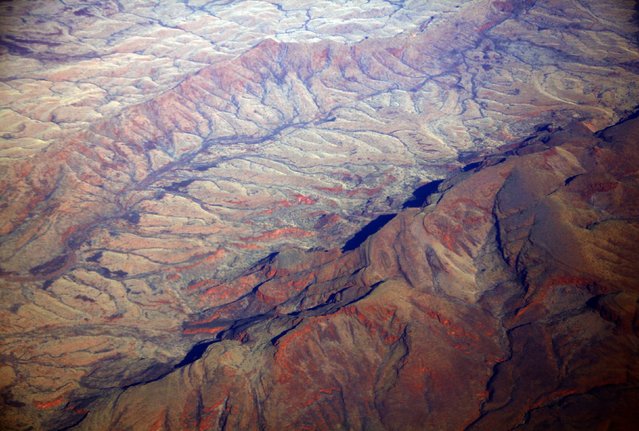
A general view of dried-up river beds and hills in the Pilbara region of Western Australia December 2, 2013. (Photo by David Gray/Reuters)

A general view of dried-up rivers in the Pilbara region of Western Australia December 2, 2013. Western Australia's Pilbara region, which is the size of Spain, has the world's largest known deposits of iron ore and supplies nearly 45 percent of global trade in the mineral. (Photo by David Gray/Reuters)
Details
17 Mar 2014 08:52:00
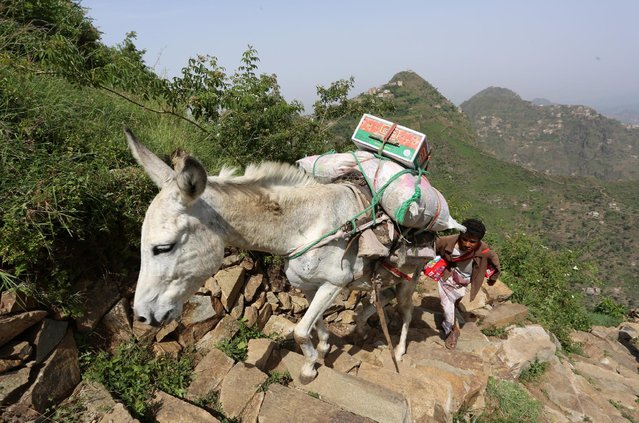
A man carries food supplies on a donkey to Dhalamlam Mountain in the Jafariya district of the western province of Raymah, Yemen June 2, 2016. (Photo by Abduljabbar Zeyad/Reuters)

A man carries food supplies on a donkey to Dhalamlam Mountain in the Jafariya district of the western province of Raymah, Yemen June 2, 2016. In villages perched high on a mountain in Western Yemen, residents are a safe distance from a conflict raging throughout most of the country but have had to turn the clock back on their lifestyles by centuries. (Photo by Abduljabbar Zeyad/Reuters)
Details
13 Sep 2016 09:23:00


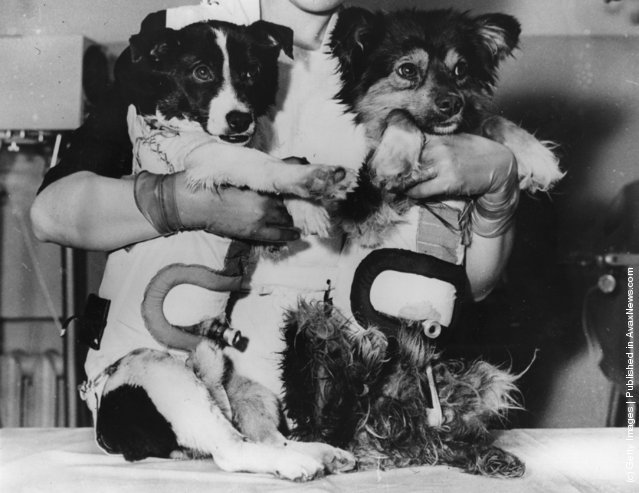
Two dogs sent into outer space by the Soviet Union after their safe return to earth. They spent 22 days in orbit. (Photo by Central Press/Getty Images). 22nd March 1966
Details
12 Apr 2011 09:39:00


A group of women wearing dresses representing flags of the Allied powers (left to right: the USA, France, Britain and the Soviet Union) outside the Eglise de la Madeleine on VE Day in Paris, 8th May 1945. (Photo by Keystone/Hulton Archive/Getty Images)
Details
07 May 2011 10:22:00
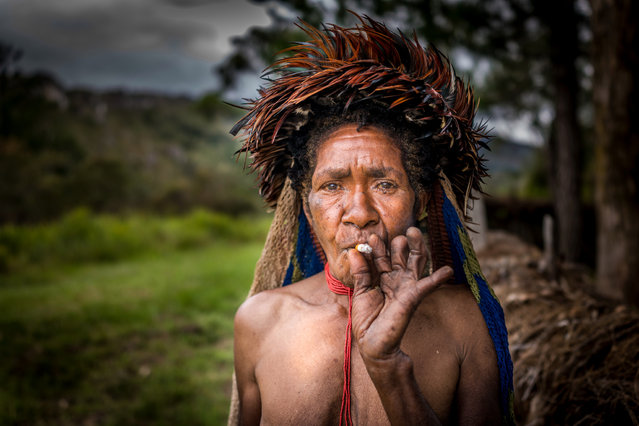
Dani tribeswoman smokes a cigarette and shows her amputated fingers in, Western New Guinea, Indonesia, August 2016. (Photo by Teh Han Lin/Barcroft Images)

Dani tribeswoman smokes a cigarette and shows her amputated fingers in, Western New Guinea, Indonesia, August 2016. Deep in the highlands of Western New Guinea, Indonesia, lives one of the world’s most isolated tribes. Known as the Dani people, the tribe was unwittingly discovered by American philanthropist, Richard Archbold, after an expedition in 1938. (Photo by Teh Han Lin/Barcroft Images)
Details
18 Nov 2016 11:03:00
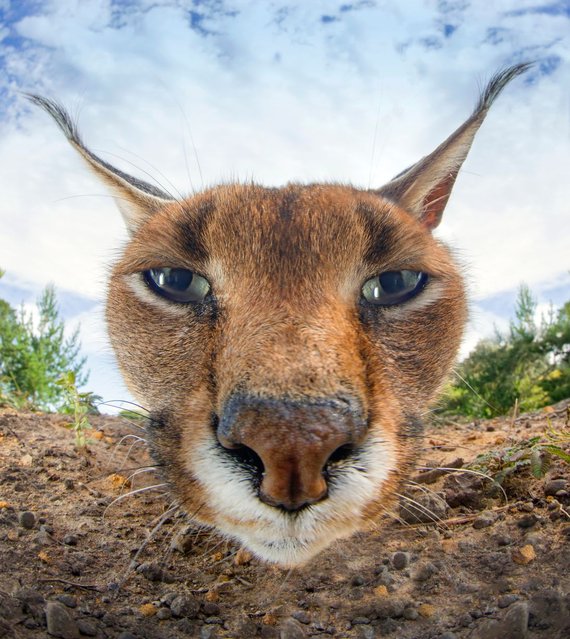
A close up of a caracal lynx's face looking into a camera on January 2014 in Western Cape, South Africa. (Photo by Dale Morris/Barcroft Media)

A close up of a caracal lynx's face looking into a camera on January 2014 in Western Cape, South Africa. (Photo by Dale Morris/Barcroft Media)
Details
30 Mar 2014 11:50:00
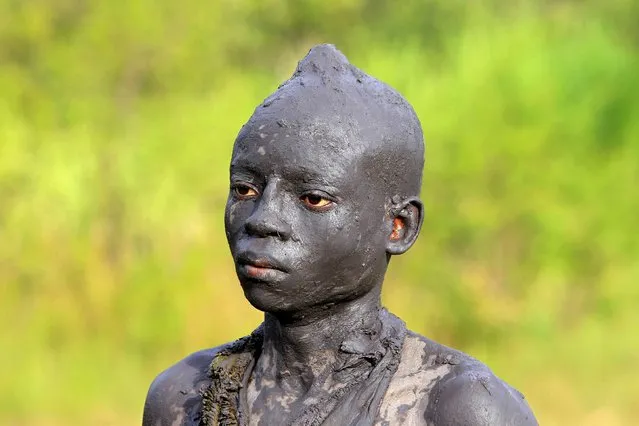
A Bukusu youth stands covered in mud in preparation for a circumcision ritual in Kenya's western region of Bungoma August 9, 2014. (Photo by Noor Khamis/Reuters)

A Bukusu youth stands covered in mud in preparation for a circumcision ritual in Kenya's western region of Bungoma August 9, 2014. Circumcision rituals, which take place in August, are celebrated amongst some Kenyan tribes as an annual rite of passage into adulthood. (Photo by Noor Khamis/Reuters)
Details
19 Sep 2014 09:27:00