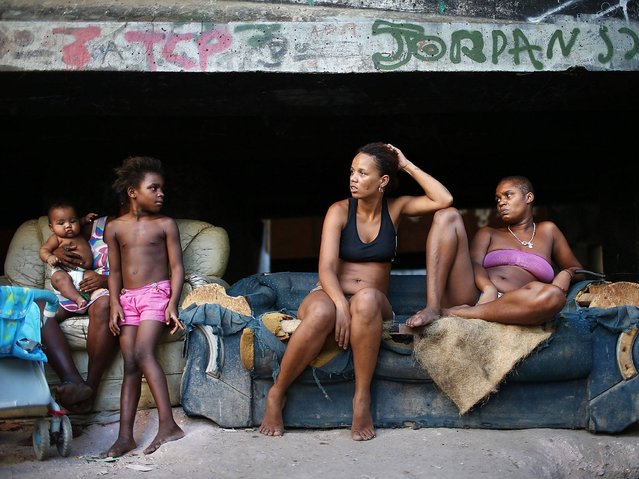
Residents (R to L) Luiza, Janubie, Leiticia and Lucas sit beneath an overpass near their houses in an impoverished area in the unpacified Complexo da Mare slum complex, one of the largest “favela” complexes in Rio, on March 18, 2014 in Rio de Janeiro, Brazil. (Photo by Mario Tama/Getty Images)
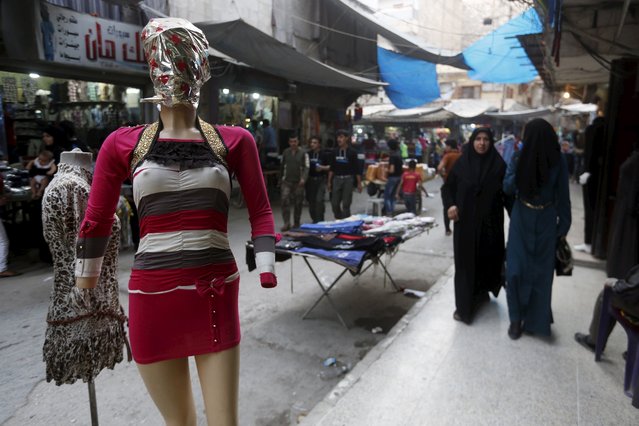
Women walk past a mannequin with a covered face as they shop ahead of the Muslim festival of Eid-al-Adha in Aleppo, Syria September 23, 2015. (Photo by Hamid Khatib/Reuters)
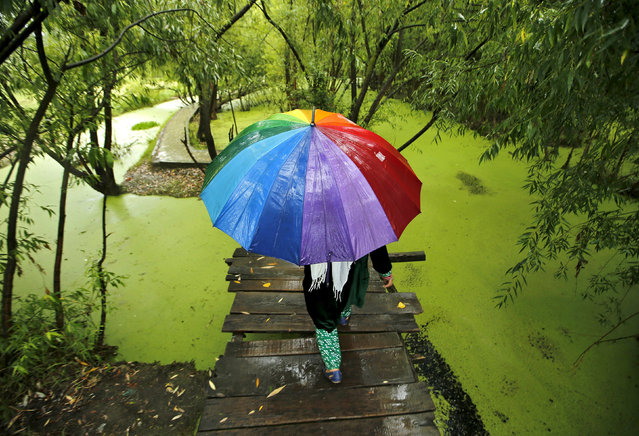
A Kashmiri woman walks on a footbridge as it rains in Srinagar, June 24, 2015. This year's monsoon rains in India are officially forecast to be only 88 percent of the long-term average. (Photo by Danish Ismail/Reuters)
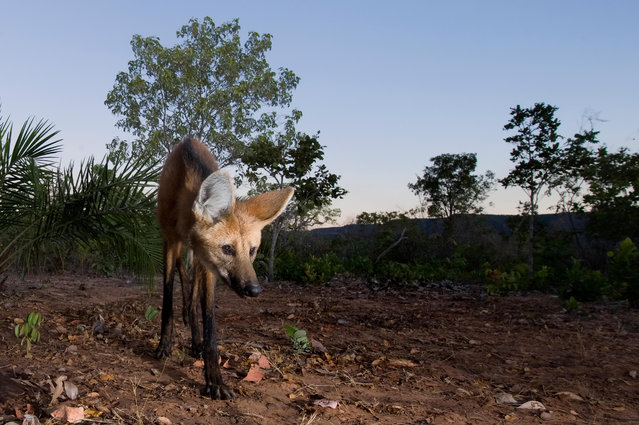
Global wildlife populations will decline by 67% by 2020 unless urgent action is taken to reduce human impact on species and ecosystems, warns the biennial Living Planet Index report from WWF (World Wide Fund for Nature) and ZSL (Zoological Society of London). From elephants to eels, here are some of the wildlife populations most affected by human activity. Here: The maned wolf is among the large mammals in the Brazilian Cerrado that are threatened by the increasing conversion of grasslands into farmland for grazing and growing crops. (Photo by Ben Cranke/Nature Picture Library/Alamy Stock Photo)
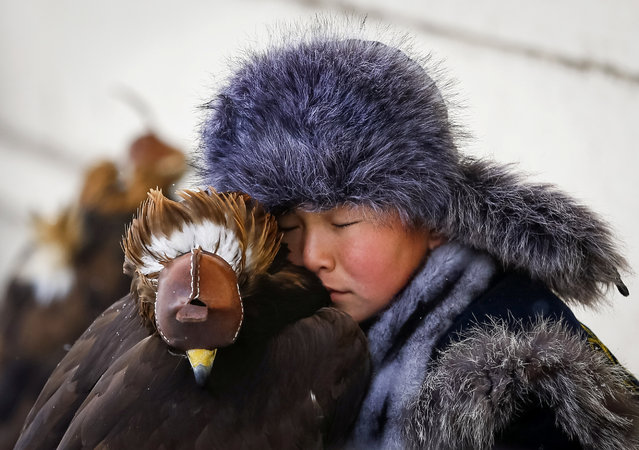
A young hunter rests next to his tamed golden eagle during an annual hunters competition at Almaty hippodrome, Kazakhstan February 9, 2018. (Photo by Shamil Zhumatov/Reuters)
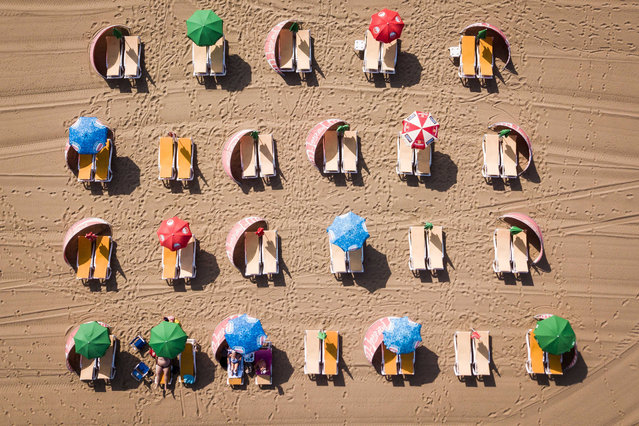
An image taken with a drone shows beach umbrellas and deck chairs as beachgoers enjoy the hot weather in Scheveningen, the Netherlands, 24 July 2019. The Royal Dutch Meteorological Institute has issued an official warning due to high temperatures affecting the country as well as Western Europe. (Photo by Sem van der Wal/EPA/EFE)
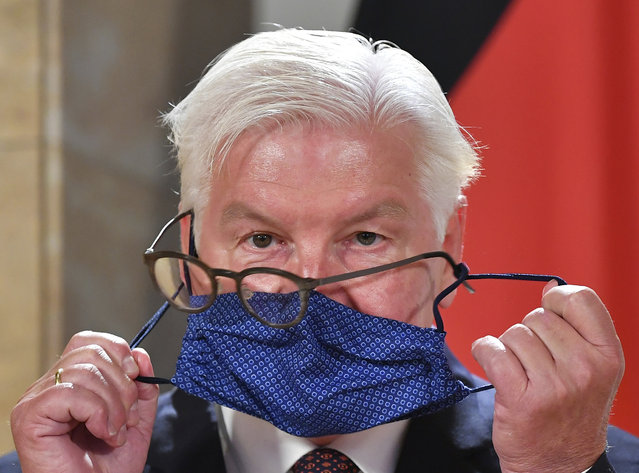
German President Frank-Walter Steinmeier struggles with his glasses and face mask as he attends a press conference after visiting the Salzburg Festival in Salzburg, Austria, Saturday, August 22, 2020. (Photo by Kerstin Joensson/AP Photo)