Loading...
Done
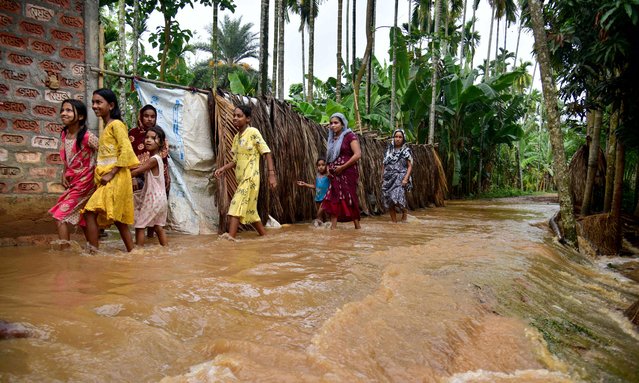
Villagers wade through a flooded road following heavy rains after cyclone Remal's landfall at Singi Mari village of Nagaon district, in India's Assam state on May 29, 2024. A powerful cyclone that smashed into low-lying Bangladesh and India killed at least 65 people, including in torrential rain storms in its wake, state government officials and media said on May 29. (Photo by Biju Boro/AFP Photo)

Villagers wade through a flooded road following heavy rains after cyclone Remal's landfall at Singi Mari village of Nagaon district, in India's Assam state on May 29, 2024. A powerful cyclone that smashed into low-lying Bangladesh and India killed at least 65 people, including in torrential rain storms in its wake, state government officials and media said on May 29. (Photo by Biju Boro/AFP Photo)
Details
06 Jun 2024 03:27:00
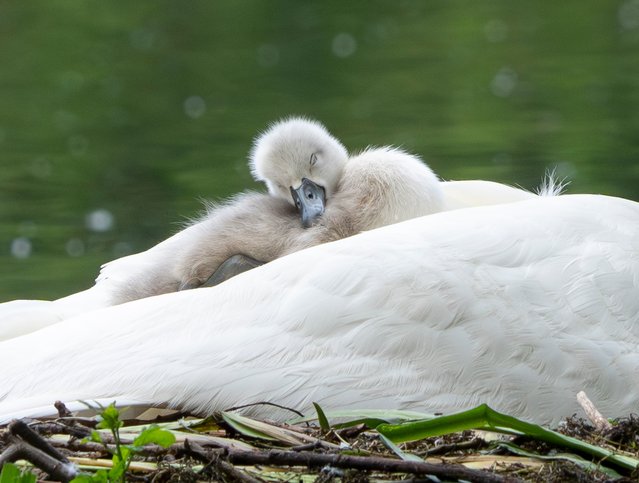
A cygnet keeps snug under its mother’s wing at Heronry Pond in Wanstead Park in east London in the last decade of May 2024. (Photo by Jeff Moore/The Times)

A cygnet keeps snug under its mother’s wing at Heronry Pond in Wanstead Park in east London in the last decade of May 2024. (Photo by Jeff Moore/The Times)
Details
09 Jun 2024 05:31:00
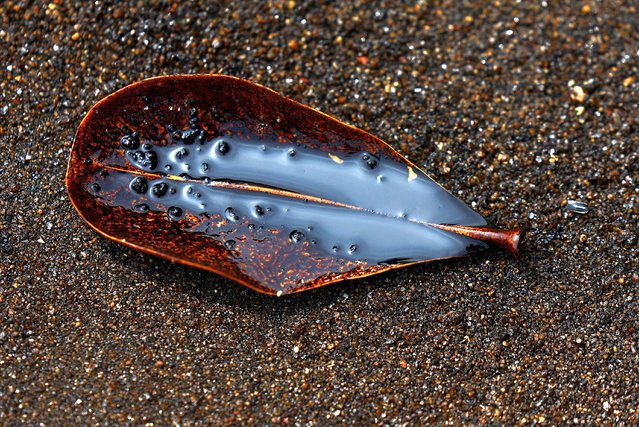
Oil pools in a leaf on the beach following an oil slick at Tanjong Beach in Sentosa, Singapore on June 15, 2024. (Photo by Edgar Su/Reuters)

Oil pools in a leaf on the beach following an oil slick at Tanjong Beach in Sentosa, Singapore on June 15, 2024. (Photo by Edgar Su/Reuters)
Details
06 Jan 2025 04:14:00
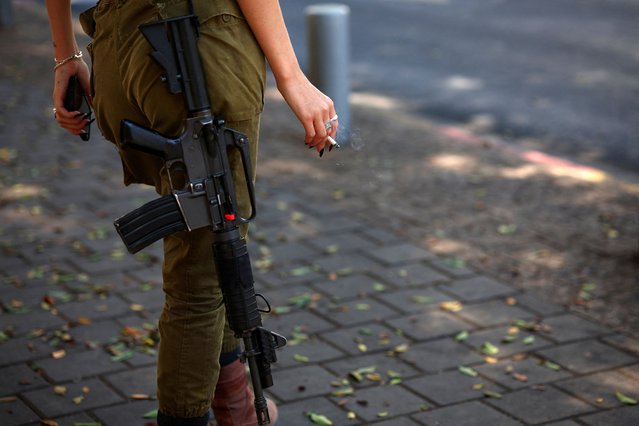
An Israeli soldier waits at the bus station, amid the ongoing conflict in Gaza between Israel and Hamas, in Tel Aviv, Israel on August 15, 2024. (Photo by Florion Goga/Reuters)

An Israeli soldier waits at the bus station, amid the ongoing conflict in Gaza between Israel and Hamas, in Tel Aviv, Israel on August 15, 2024. (Photo by Florion Goga/Reuters)
Details
13 Dec 2025 06:28:00
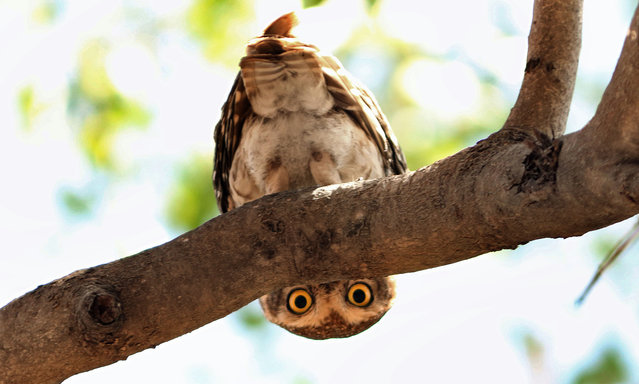
A spotted owlet appears to be playing peek-a-boo near Rancharda Lake in Ahmedabad, India on February 9, 2016. The species is common across the Indian subcontinent. (Photo by Caters News Agency)

A spotted owlet appears to be playing peek-a-boo near Rancharda Lake in Ahmedabad, India on February 9, 2016. The species is common across the Indian subcontinent. (Photo by Caters News Agency)
Details
14 Feb 2016 11:18:00
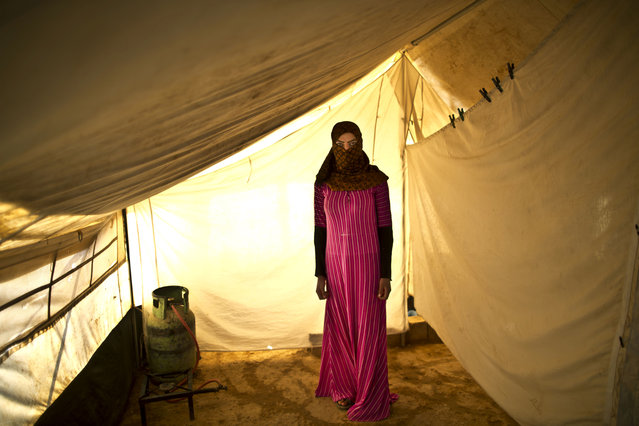
In this Monday, March 16, 2015 photo, Syrian refugee Samira Helal, 17, who is two months pregnant, poses for a portrait at  inside her tent at an informal tented settlement near the Syrian border, on the outskirts of Mafraq, Jordan. Nearly 3.8 million Syrians have fled their country and are now registered as refugees, according to the U.N. Most face increasingly desperate circumstances. (Photo by Muhammed Muheisen/AP Photo)

In this Monday, March 16, 2015 photo, Syrian refugee Samira Helal, 17, who is two months pregnant, poses for a portrait at inside her tent at an informal tented settlement near the Syrian border, on the outskirts of Mafraq, Jordan. Nearly 3.8 million Syrians have fled their country and are now registered as refugees, according to the U.N. Most face increasingly desperate circumstances. (Photo by Muhammed Muheisen/AP Photo)
Details
08 Apr 2015 11:11:00
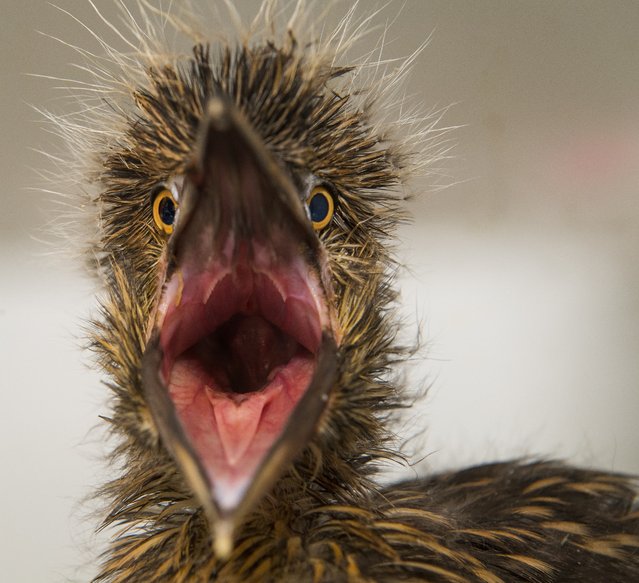
A baby Black-crowned Night Heron squawks in its incubator while being cared for at City Wildlife rescue and rehabilitation center in Washington, DC on May 31, 2017. The heron is one of several that have been brought to CW by the staff at The National Zoo over the past few years. The heron is a native bird and has made an established rookery inside the zoo grounds over a hundred years ago.  Every year at this time, some of the chicks get pushed or fall out of the nest and require human care.  Because the birds are native and not part of the Smithsonian collection, they partnered with CW to rehabilitate the herons for re-release back to the flock inside Zoo. They're reintroduced back to their flock so that they can migrate together in the Fall. The Black-crowned heron usually migrates from the DC area down to southeast North Carolina, some going as far as Jacksonville, FL in winter. The Black-crowned heron is the species of greatest conservation need in the District of Columbia because their numbers are in such rapid decline due to habitat loss. (Photo Linda Davidson/The Washington Post)

A baby Black-crowned Night Heron squawks in its incubator while being cared for at City Wildlife rescue and rehabilitation center in Washington, DC on May 31, 2017. The heron is one of several that have been brought to CW by the staff at The National Zoo over the past few years. (Photo Linda Davidson/The Washington Post)
Details
04 Jun 2017 08:04:00
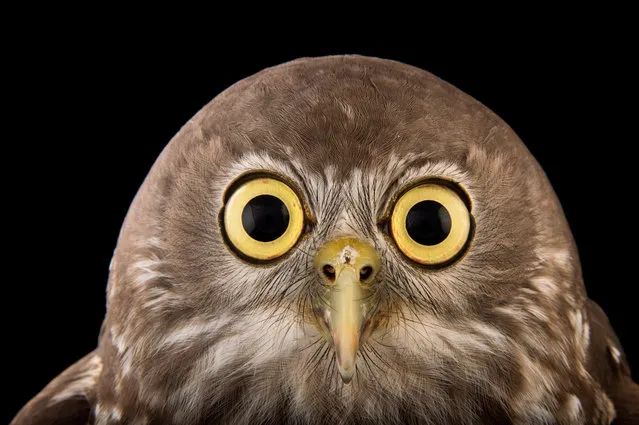
The National Geographic Photo Ark is a travelling exhibition of photographer Joel Sartore’s quest to create a photo archive of biodiversity around the world. So far, Sartore has captured studio portraits of more than 6,000 species – a number that he hopes to double. On 1 July, the ark will open at Melbourne zoo – the first time it has been exhibited in the southern hemisphere. More than 50 portraits will be on display, including many of Australian endangered animals being protected by programs at the zoo itself. These captions have been edited from text supplied by Melbourne zoo. Here: Barking owl. So-named because its call sounds like a barking dog, these birds are native to Australia, Indonesia and Papua New Guinea. In Victoria they are listed as an endangered species, and in 2003 there were estimated to be fewer than 50 breeding pairs. The main threat to the species in Victoria is loss of habitat, especially large trees with hollows in which they can nest and on which many of their prey depend. Apart from a bark, they may utter a chilling scream when they feel threatened. (Photo by Joel Sartore/National Geographic Photo Ark/The Guardian)

The National Geographic Photo Ark is a travelling exhibition of photographer Joel Sartore’s quest to create a photo archive of biodiversity around the world. So far, Sartore has captured studio portraits of more than 6,000 species – a number that he hopes to double. On 1 July, the ark will open at Melbourne zoo – the first time it has been exhibited in the southern hemisphere. More than 50 portraits will be on display, including many of Australian endangered animals being protected by programs at the zoo itself. These captions have been edited from text supplied by Melbourne zoo. Here: Barking owl. (Photo by Joel Sartore/National Geographic Photo Ark/The Guardian)
Details
01 Jul 2017 07:45:00