A man wearing personal protective equipment (PPE) cremates a body of a coronavirus disease (COVID-19) victim at the crematory as the country recorded the highest daily increase in deaths since the pandemic began, in Kathmandu, Nepal on May 3, 2021. (Photo by Navesh Chitrakar/Reuters)
Participants pose as they take part in a bodybuilding and fitness event named “China Fit”, in Beijing, China, June 15, 2016. (Photo by Reuters/Stringer)
Stage winner France Kevin Vauquelin climbs during the second stage of the Tour de France cycling race over 199.2 kilometers (123.8 miles) with start in Cesenatico and finish in Bologna, Italy, Sunday, June 30, 2024. Photo by (Etienne Garnier/Pool Photo via AP Photo)
A Tengger tribesman prays at Mount Bromo during the annual Kasada ceremony in East Java on August 12, 2014. The Kasada ceremony is a festival held every 14th day of the Kasada month in the traditional Hindu lunar calender to honour Sang Hyang Widhi (God Almighty) and is based on the legend of Roro Anteng and Joko Seger from the Majapahit Kingdom, from which their Tengger tribe name originates. Hundreds of worshippers from the Tengger tribe offer food and livestock as a symbolic sacrifice which they throw into the crater for the blessings of safety and prosperity to their familyies and community. (Photo by Juni Kriswanto/AFP Photo)
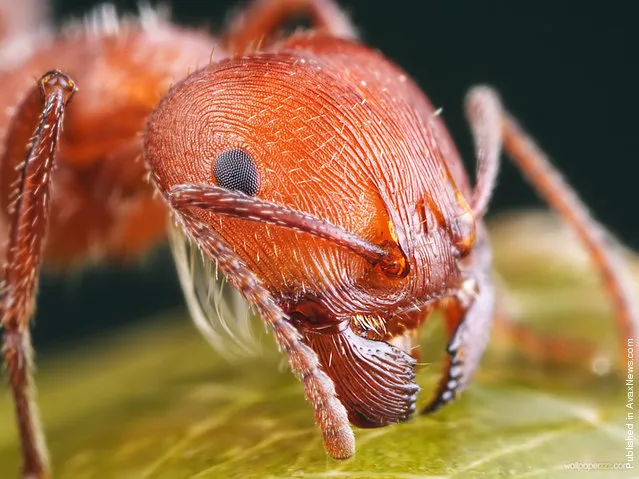
Once upon a time a myth was born that insects, unlike animals, are just a machines that not capable of learning and survive only based on their instincts. That myth has become the widespread opinion. Of course, this opinion is indeed erroneous, like many other widespread opinions. Let us try to find out which part is a myth and which part is true.
Donald Ganslmeier, operator of the Motodrom, rides a motorbike inside the Motodrom during a press tour at Theresienwiese on the premises of the 182nd annual Oktoberfest in Munich, Germany, September 17, 2015. (Photo by Matthias Balk/EPA)