Athlets run during the women's 3000 meter steeplechase at the International Athletics Meeting in Lucerne, Switzerland, 14 June 2016. (Photo by Alexandra Wey/EPA)
Elfyn Evans of Great Britain and Daniel Barritt of Great Britain compete in their M-Sport WRT Ford Fiesta RS WRC during Day One of the WRC Australia on September 11, 2015 in Coffs Harbour, Australia. (Photo by Massimo Bettiol/Getty Images)
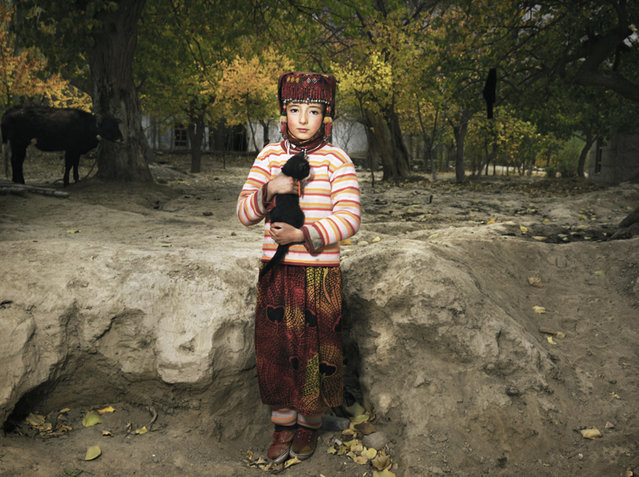
“As a photographer, peregrinator and naturalist, I have been searching for the ultimate unworldly world. I've always been drawn to unusual travel destinations. For me, to lose myself in a different culture is a great way to find balance in my life...”. – Li Xinzhao. (Photo by Li Xinzhao)
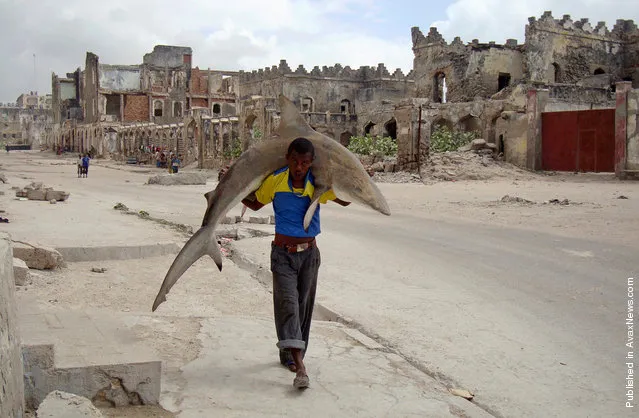
In this photo provided by World Press Photo, the 1st Prize Daily Life Single of the 2011 World Press Photo Contest by Omar Feisal, Somalia, Reuters, shows a man carrying a shark through the streets of Mogadishu, Somalia, September 23, 2010. (AP Photo/Omar Feisal/Reuters)
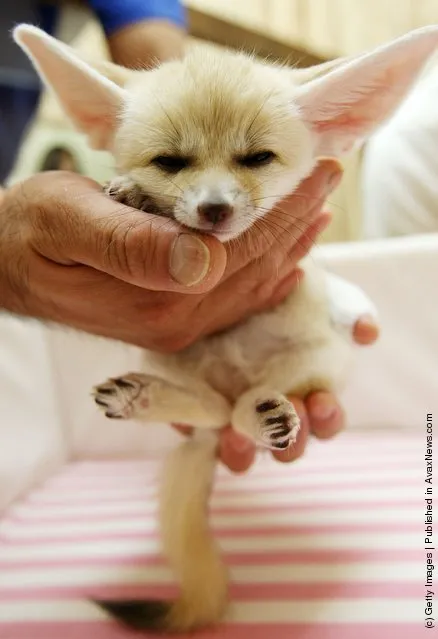
“The fennec fox is a small nocturnal fox found in the Sahara of North Africa. Its most distinctive feature is unusually large ears. The name “fennec” comes from the Arabic word for fox, and the species name zerda has a Greek origin that refers to its habitat. The fennec is the smallest species of canid in the world; coat, ears and kidney functions have adapted to a high-temperature, low-water, desert environment. In addition, its hearing is sensitive enough to hear prey moving underground”. – Wikipedia
Photo: A Baby Fennec is seen at Sunshine International Aquarium on June 24, 2009 in Tokyo, Japan. The small nocturnal fox babies were born on May 17 2009. (Photo by Junko Kimura/Getty Images)
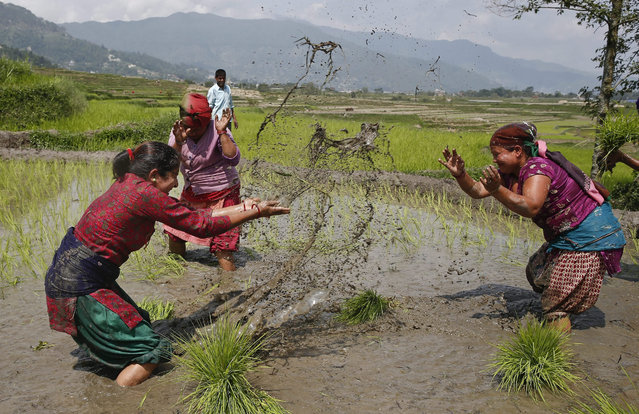
Nepalese women farmers spray mud water at each other while planting rice in a paddy field during the National Paddy Day in the village of Jitpur in Kathmandu, Nepal, 30 June 2015. On this day, known as Asar Pandra, farmers begin the annual rice planting season and mark the day with various festivities such as preparing rice meals with muddy water, spreads mud among farmers. The Mud being a symbol for a prosperous season. The agricultural sector contributes about 60 per cent to Nepal's gross domestic product. (Photo by Narendra Shrestha/EPA)
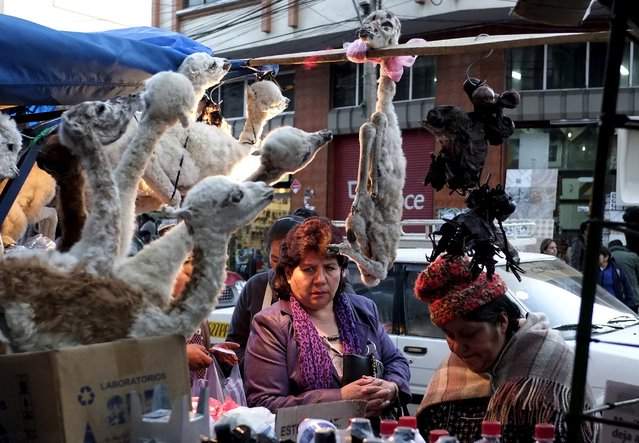
A woman (C) shops for an offering at the witch doctor's street in La Paz, July 31, 2015. According to Andean culture, the all the month of August is a time to give offerings to “Pachamama” to give thanks for their farms and health. The Aymaras use coca leaves, candies, animal fat, llama fetuses, some dried fruits, powdered minerals and alcohol during these rituals. (Photo by David Mercado/Reuters)