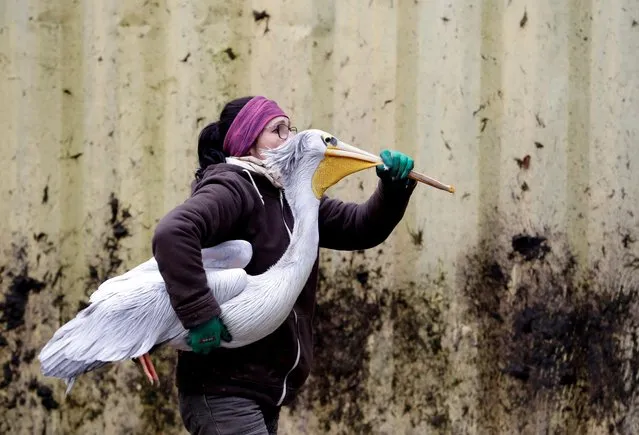
A zoo keeper carries a pelican to move it to its winter enclosure at Dvur Kralove Zoo in Dvur Kralove nad Labem, Czech Republic on November 5, 2019. (Photo by David W. Cerny/Reuters)
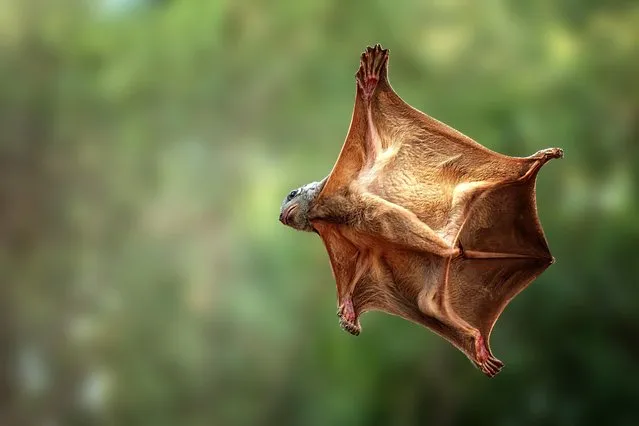
A flying lemur glides through the air in West Java, Indonesia in the first decade of October 2023. The photographer said the animal veered away from him at the last minute. (Photo by Dzul Dzulfikri/Animal News Agency)
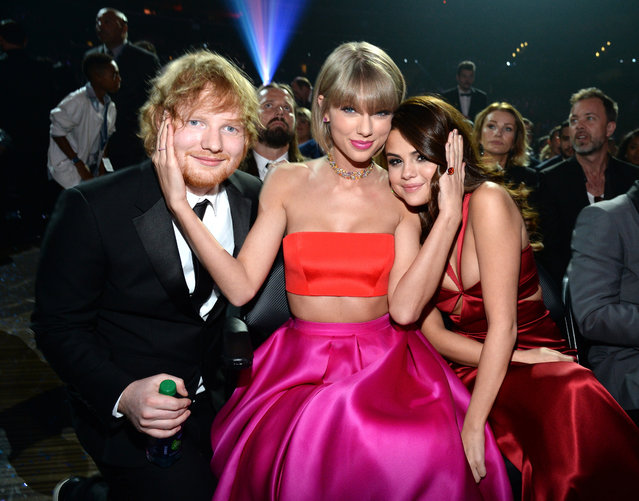
Ed Sheeran, Taylor Swift and Selena Gomez attend The 58th GRAMMY Awards at Staples Center on February 15, 2016 in Los Angeles, California. (Photo by Kevin Mazur/WireImage)
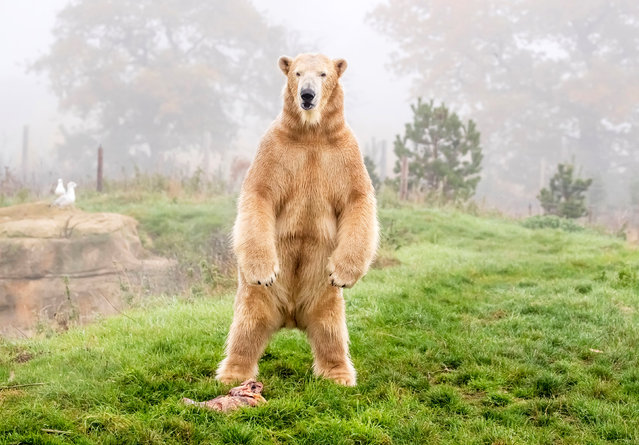
Hamish the polar bear tries out his new enclosure at the Yorkshire Wildlife Park at Branton, Doncaster on November 6, 2020, after moving from the Highland Wildlife Park in Scotland. Hamish was the first polar bear to be born in the UK. (Photo by Danny Lawson/PA Wire Press Association)
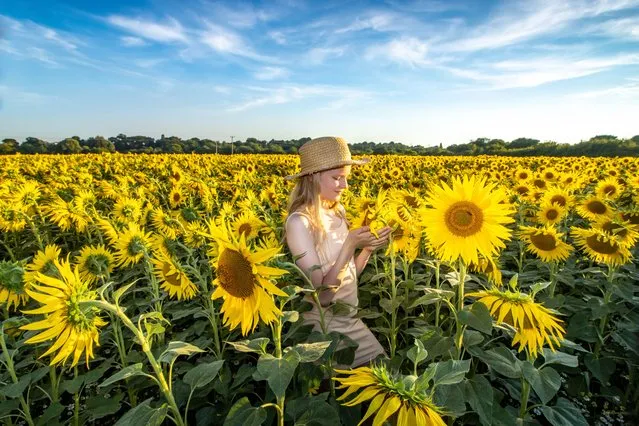
Georgia Baker, 12, enjoys the bright yellow Sunflower field on a farm near Christchurch in Dorset on August 7, 2022. (Photo by Rachel Baker/Bournemouth News)
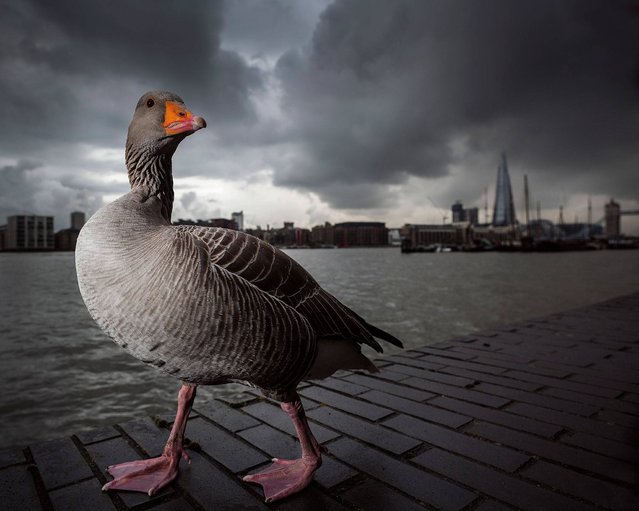
The British Wildlife Photography Awards winners have been revealed, with Lee Acaster from Suffolk taking home the top prize for his shot of a Graylag Goose in London. Acaster, who received £5,000, photographed the animal against an ominous London skyline, with The Shard clearly visible in the background. Here: “Urban Tourist (Graylag Goose)”. Urban category and overall winner. (Photo by Lee Acaster/British Wildlife Photography Awards 2014)
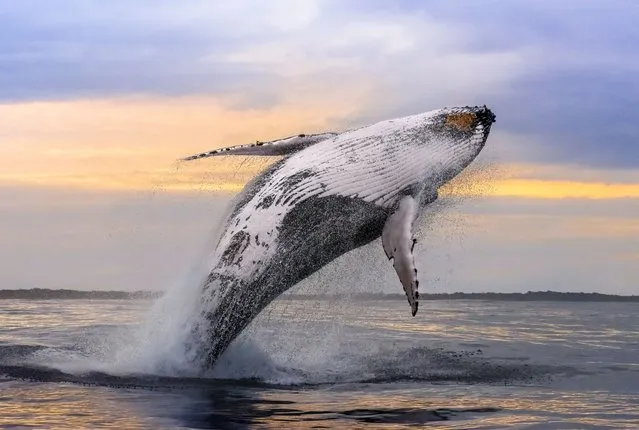
A 40-tonne humpback launching out of the water in an incredible breach in New South Wales, Australia on October 2022 in front of a sunset. The humpback whale can grow up to 56 feet long and typically covers 9,900 miles a year as it travels through the oceans of the world. Humpback whales are a species of Baleen whale, meaning they don't have teeth. Instead, they have baleen which helps them to filter feed. Their main source of food is krill or tiny bait fish. (Photo by Jodie Lowe/Media Drum Images)