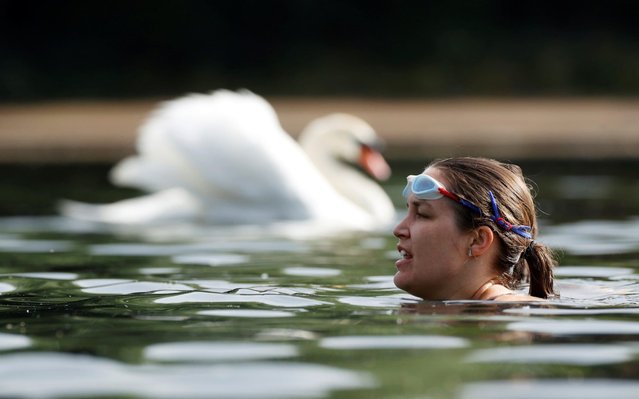
A swimmer swims by a swan in The Serpentine in Hyde Park, following the outbreak of the coronavirus disease (COVID-19), London, Britain, May 26, 2020. (Photo by John Sibley/Reuters)
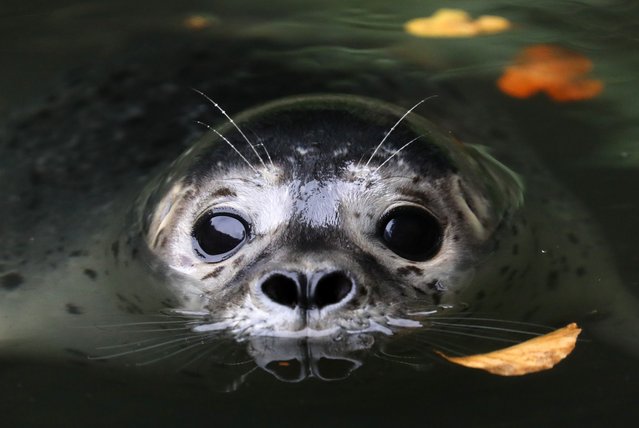
Female seal “Lotte” swims in a pool of her enclosure at the zoo in Rostock, northeastern Germany, on September 27, 2019. (Photo by Bernd Wuestneck/dpa/AFP Photo)
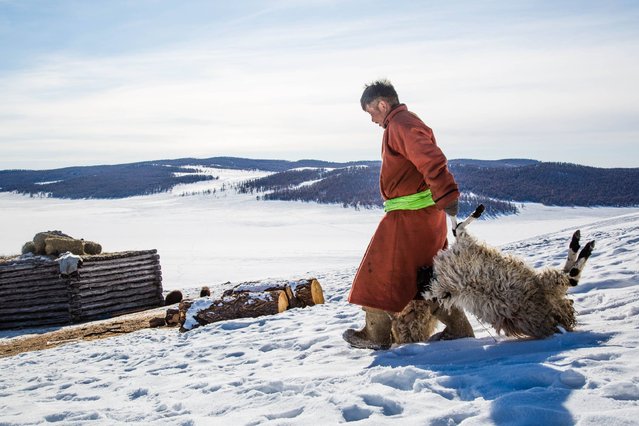
This handout photo taken on February 12, 2017 and released on February 16 by the International Federation of Red Cross and Red Crescent Societies (IFRC) shows Mongolian herder Munkhbat Bazarragchaa (C) dragging two sheep – which recently died due to the weather - to a pile of dead animals behind his “ger” in Khuvsgul province, northern Mongolia. Thousands of Mongolian herders face disastrous livestock losses from dreaded severe weather known as the “dzud”, the Red Cross said on February 16, 2017 in launching an international emergency aid appeal. (Photo by Mirva Helenius/AFP Photo/IFRC)
A Civil Protection employee dressed as death participates in the campaign “Beware of Monoxide, the Silent Killer”, which seeks to prevent deaths from poisoning with carbon monoxide through the use of heaters to mitigate low temperatures, on an avenue in Ciudad Juarez, Mexico on February 2, 2022. (Photo by Jose Luis Gonzalez/Reuters)
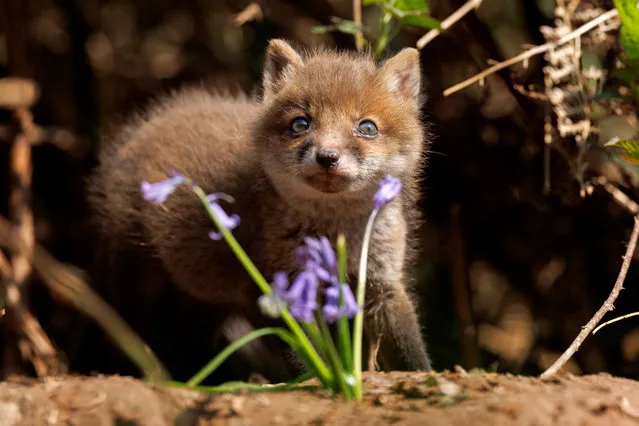
A fox cub with some bluebells in some woodland at Wye Valley near Gloucester, United Kingdom on April 29, 2023. (Photo by Thomas Winstone/Picture Exclusive)
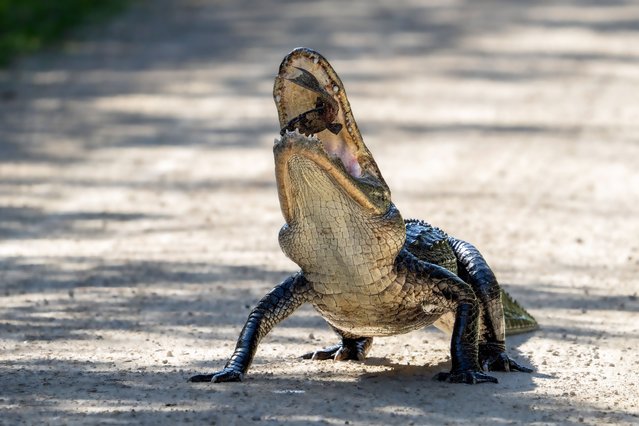
An alligator devours a fish carcass he stole from a raven in Big Cypress National Preserve in Florida on November 24, 2022. The Big Cypress Swamp is a freshwater swampland located near the Everglades National Park. (Photo by Ronen Tivony/SOPA Images/Rex Features/Shutterstock)
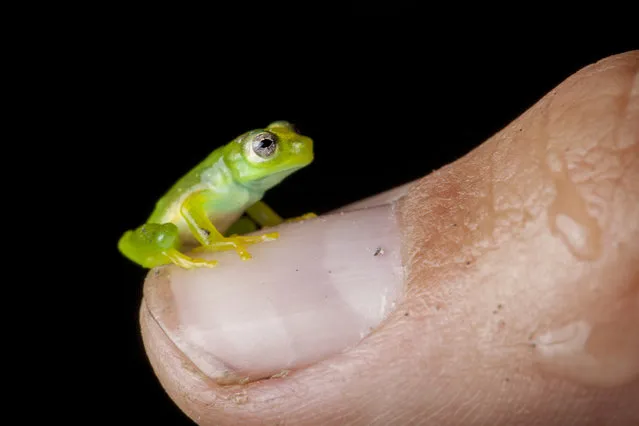
Thousands of species of amphibians are endangered and hundreds have already disappeared, but in recent years, a team of scientists and conservationists have re-discovered some of these “lost” species and uncovered previously unknown varieties. Here: Miniature glass frog. (Photo by Robin Moore)