Loading...
Done
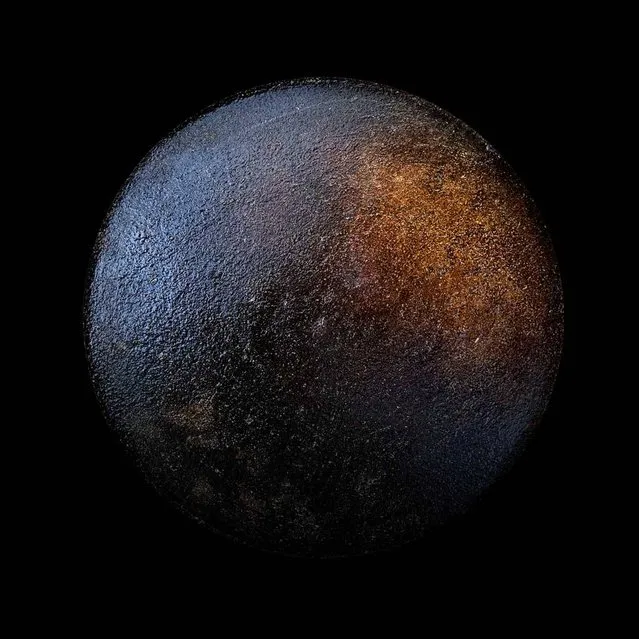
Christopher Jonassen’s Alien Landscapes

Is it the surface of the Mars or Venus or an undiscovered planet? Not at all. These pictures aren’t what you think they are. Christopher Jonassen, a Norwegian photographer shot these beautiful and otherworldly series called ‘Devour of frying pan bottoms’, which are visually similar to craters and scars on a planet’s surface. In his series Jonassen refers to a quote of Jean-Paul Satre who said: ‘To eat is to appropriate destruction’ and the meaning of the word ‘devour’, which stands for eating up greedily, destroying, consuming, and wasting.
Details
30 Aug 2013 08:18:00
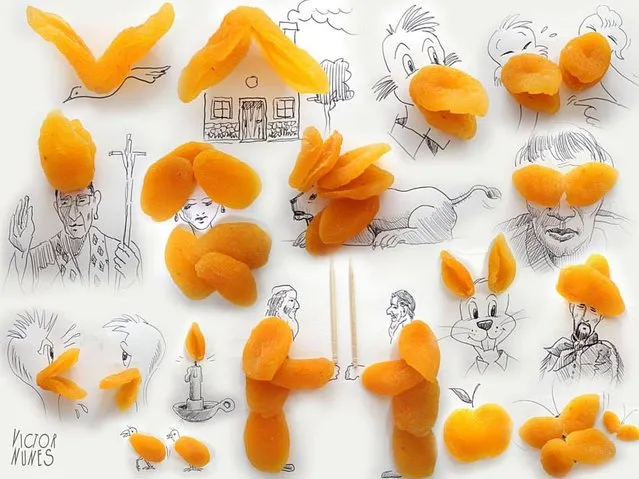
Food In Faces By Victor Nunes

Artist Victor Nunes combines every-day objects with simple illustrations to turn them into pictures of faces, animals and other playful scenes. His images invite us to look at the world differently and find creative images in our surroundings. Nunes’ art is a great example of pareidolia, which is our propensity to give meaning to random objects (like in this post about seeing faces in random objects). It’s the reason why we associate a smiley face with a human face and why some of Nunes’ pieces of popcorn or bread resemble faces to us.
Details
02 Feb 2014 11:58:00
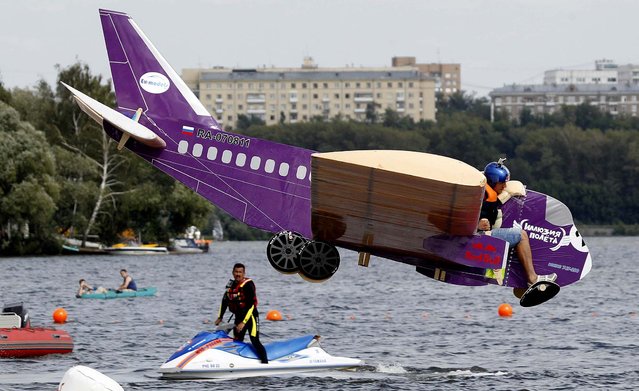
A makeshift aircraft plummets into the Moskva River during the Red Bull Flugtag Moscow 2011 competition. (Photo by Sergei Karpukhin/Reuters)

Spectators in Moscow were treated to the site of humorously designed makeshift aircraft plunging into the Muskova River during the Red Bull Flugtag Moscow 2011 competition. 38 teams took part at the Flugtag – which means “flying day” – a competition in which teams in fancy dress attempt to pilot human-powered, home-made flying machines off a six-meter-high platform into water.

Photo: A makeshift aircraft plummets into the Moskva River during the Red Bull Flugtag Moscow 2011 competition. (Photo by Sergei Karpukhin/Reuters)
Details
27 Jul 2012 08:09:00


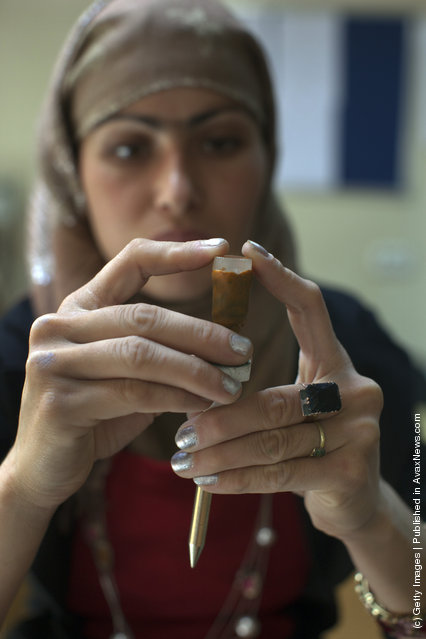
Student, Shoukria positions a stone for cutting at the Turquoise Mountain Gem cutting class on May 18, 2011, in Kabul, Afghanistan. The mineral resources of Afghanistan are relatively unexplored even with Afghanistan's mineral wealth of coal, copper, gold and iron ore, with precious and semiprecious stones, including high-quality emerald, lapis lazuli, red garnet and ruby. Given the country's remote and rugged terrain, on-going instability plus an inadequate infrastructure and transportation means that mining is still difficult. While many are trying to bring positive changes, Afghanistan's mining industry uses unregulated, primitive methods and outdated equipment. (Photo by Paula Bronstein/Getty Images)
Details
22 May 2011 09:11:00
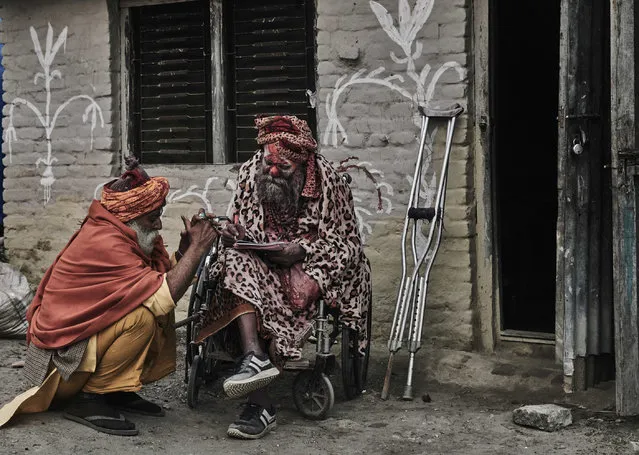
Two holy men with a decorative faces and headdresses, taken in Kathmandu, Nepal. (Photo by Jan Moeller Hansen/Barcroft Images)

Two holy men with a decorative faces and headdresses, taken in Kathmandu, Nepal. Wandering through the cities and forests of Nepal are the holy men, or Sadhus, who have left all materialistic pleasures behind to live a life devoted to God. Their appearances vary from brightly coloured face paints, and decorations, to minimalistic practical clothing, but they all represent the fundamental values and meanings of Hinduism. Danish photographer Jan Moeller Hansen visited the ancient capital city of Kathmandu between 2013 and 2016 and documented the mysterious holy wanderers. (Photo by Jan Moeller Hansen/Barcroft Images)
Details
02 Feb 2017 05:02:00
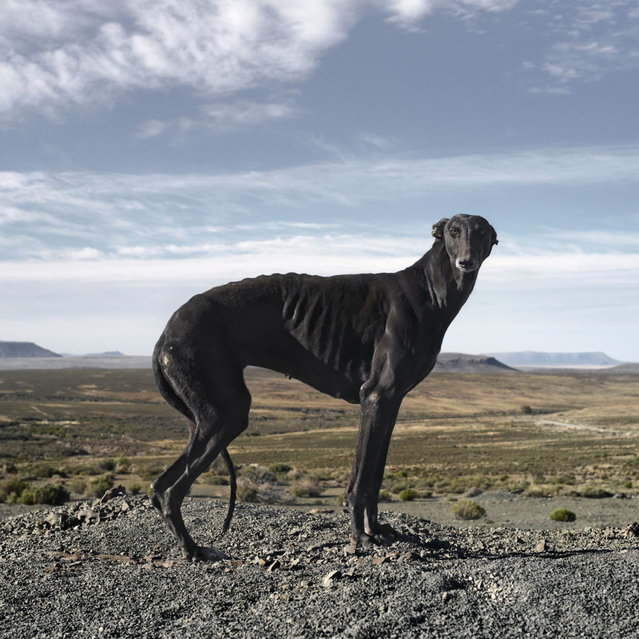
Africanis 18. Murraysburg, Western Cape, May 10, 2010. (Photo by Daniel Naudé)

“The Africanis is a landrace of South African dogs. It is believed to be of ancient origin, directly descended from hounds and pariah dogs of ancient Africa, introduced into the Nile Valley from the Levant. The Swahili name for the breed is umbwa wa ki-shenzi meaning common or mongrel or “traditional dog”. Africanis is also an umbrella name for all the aboriginal dogs in southern Africa”. – Wikipedia. Photo: Africanis 18. Murraysburg, Western Cape, May 10, 2010. (Photo by Daniel Naudé)
Details
19 May 2013 11:51:00
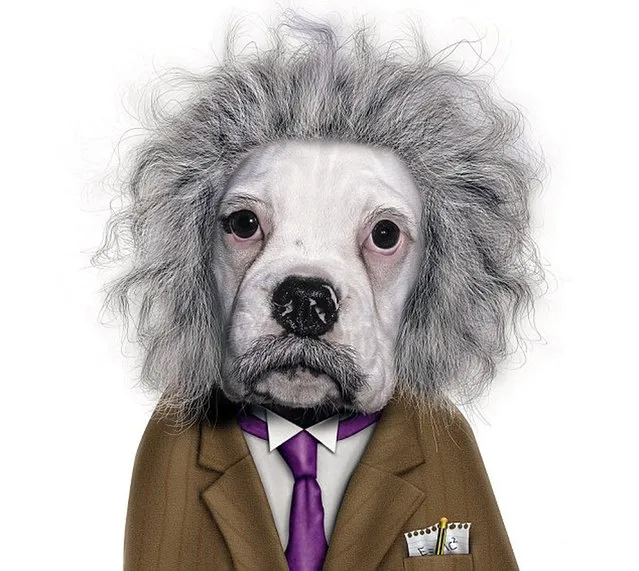
animals famous

The kiddipops has these animal celebrity portraits in a diary and they have always given us a giggle. The company behind them is ‘Takkoda‘- the name is derived from the Sioux word meaning ‘Friend to all’. The company was started by two couples with a love of animals; who see pets as being big personalities, not as ‘chocolate box’ images. Takkoda is all about funny images of our favourite friends. They photograph real pets in their homes and capture their natural expressions in their natural state! Later they develop their characters by dressing them up digitally to bring out their iconic personalities.
Details
07 Jul 2012 06:22:00
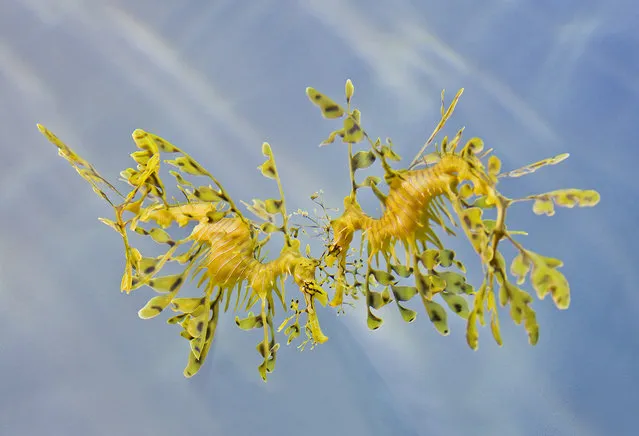
Leafy sea dragon

The leafy seadragon or Glauert's seadragon, Phycodurus eques, is a marine fish in the family Syngnathidae, which also includes the seahorses. It is the only member of the genus Phycodurus. It is found along the southern and western coasts of Australia. The name is derived from the appearance, with long leaf-like protrusions coming from all over the body. These protrusions are not used for propulsion; they serve only as camouflage. The leafy seadragon propels itself by means of a pectoral fin on the ridge of its neck and a dorsal fin on its back closer to the tail end. These small fins are almost completely transparent and difficult to see as they undulate minutely to move the creature sedately through the water, completing the illusion of floating seaweed.
Details
05 Sep 2012 08:51:00