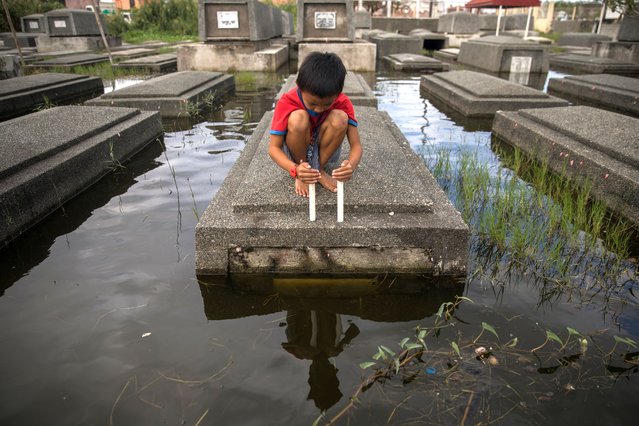
A boy attempts to keep a candle lit in a flooded cemetery following Typhoon Molave, in Masantol, Pampanga, Philippines, October 27, 2020. (Photo by Eloisa Lopez/Reuters)
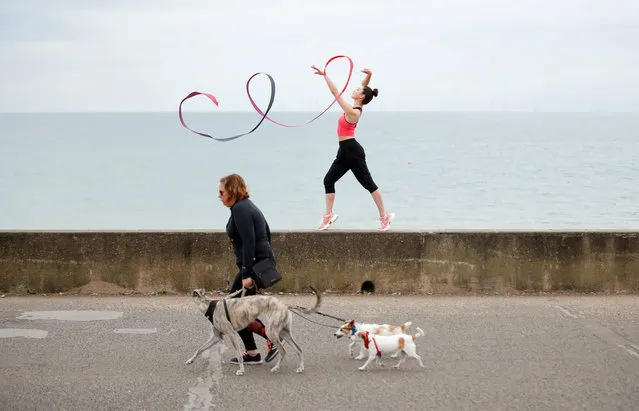
Team GB Rhythmic Gymnast Lynne Karina Hutchison during a training session on the seafront in Hove, following the outbreak of the coronavirus disease (COVID-19), Hove, Britain, June 10, 2020. (Photo by Peter Cziborra/Reuters)
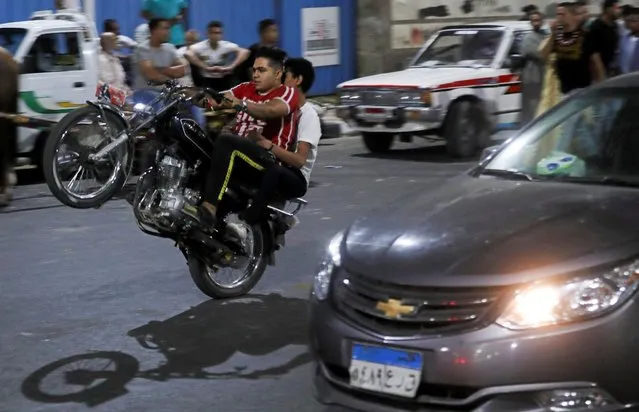
An Egyptian man shows off his motorcycle skills, following the outbreak of the coronavirus disease (COVID-19), in Cairo, Egypt on July 17, 2020. (Photo by Mohamed Abd El Ghany/Reuters)
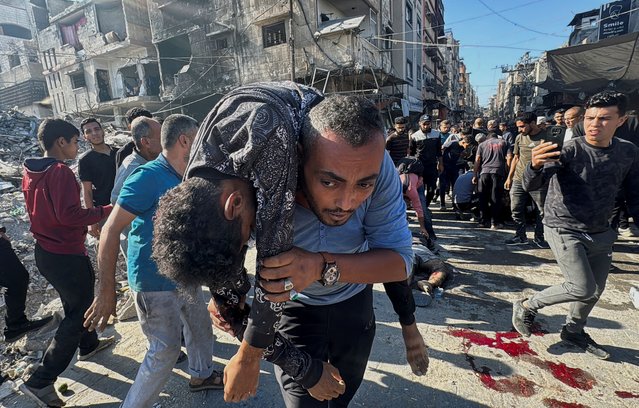
A Palestinian carries an injured person following an Israeli strike, amid the Israel-Hamas conflict, in Beit Lahiya in the northern Gaza Strip on October 30, 2024. (Photo by Reuters/Stringer)
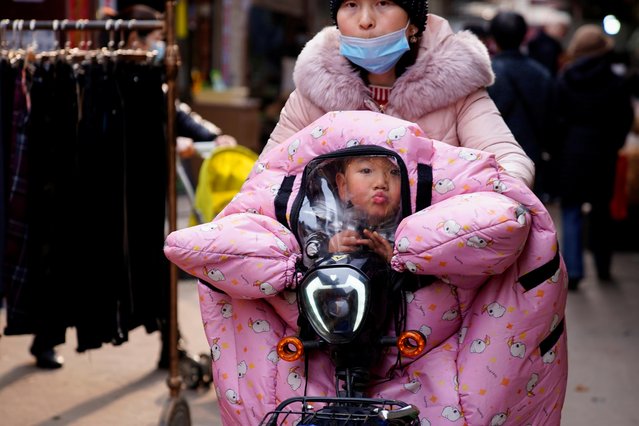
A woman wearing a face mask rides a bicycle with a child, following an outbreak of the coronavirus disease (COVID-19) in Wuhan, Hubei province, China on February 8, 2021. (Photo by Aly Song/Reuters)
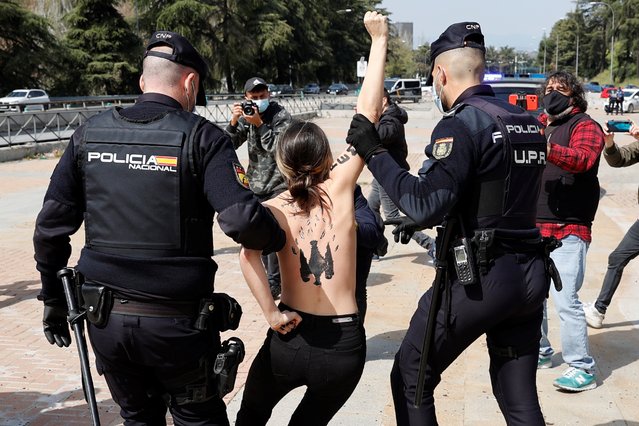
Policemen escort a Femen activist who broke into a rally of Franco's dictatorship regimen followers in Madrid, Spain, 28 March 2021. (Photo by Zipi/EPA/EFE)
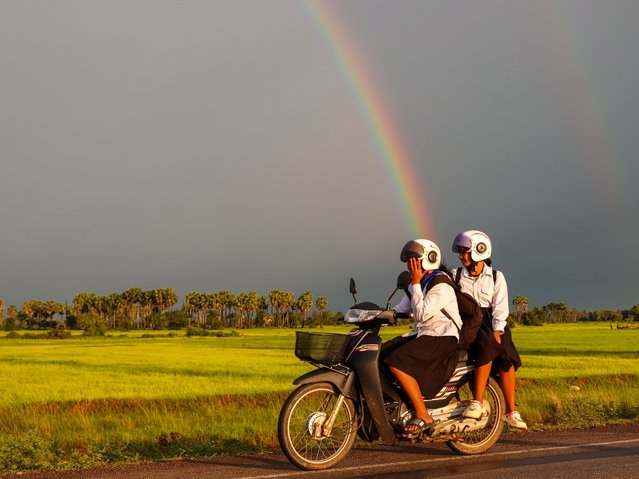
Cambodian motorcyclists drive near a double rainbow, following the conclusion of a ceasefire deal between Cambodia and Thailand, in Siem Reap, Cambodia, on July 29, 2025. (Photo by Daniel Ceng/Anadolu via Getty Images)
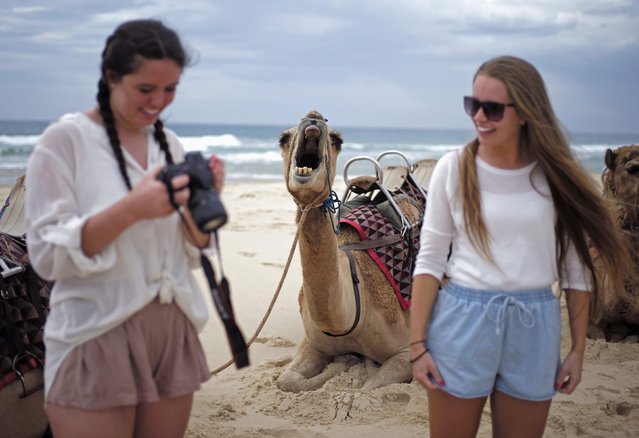
A camel yawns as a tourist checks images on her camera following a ride on a camel safari alongside the Pacific Ocean on Lighthouse Beach, north of Sydney, December 4, 2014. For 25 years camel rides on this beach have given visitors to Australia's holiday coast a rare experience available only in a handful of locations in the country. Australia's long history with the “ships of the desert” goes back to the 1800s when they were imported from Afghanistan and India for use as transportation across Australia's vast deserts before being released into the wild following their replacement by motorised transport. (Photo by Jason Reed/Reuters)