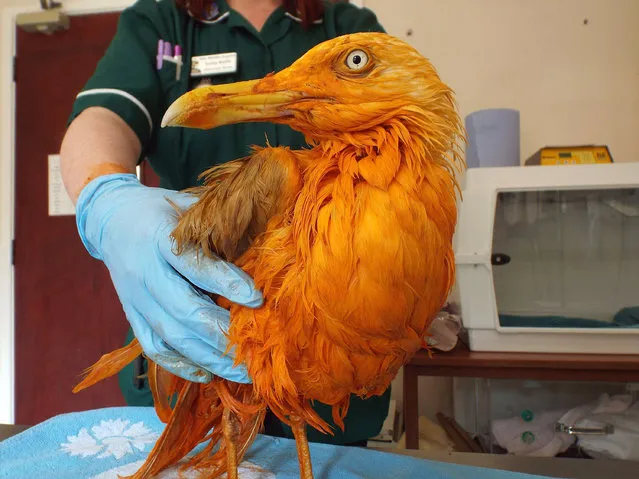
A seagull who turned bright orange after he plunged into a vat of chicken tikka masala in Beckford, England on June 9, 2016. The bird fell into a container of the food while trying to scavenge a piece of meat from a food factory bin in Wales. (Photo by Vale Wildlife Hospital/PA Wire)
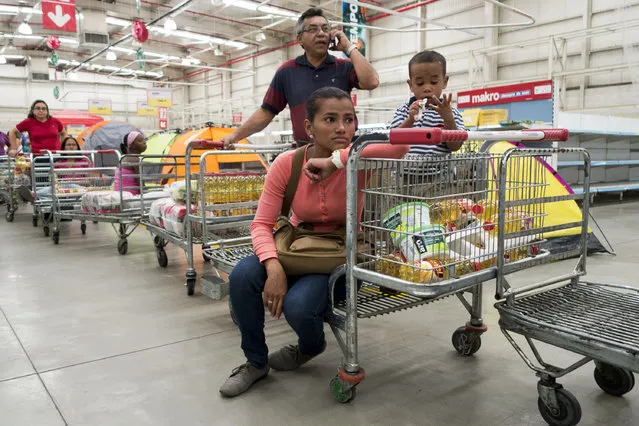
People line up to pay inside a Makro supermarket in Caracas, January 9, 2015. Venezuela's socialist government decreed an “economic emergency” on Friday that will expand its powers and published the first data in a year that shows the depth of a recession fueled by low oil prices and a sputtering state-led model. (Photo by Jorge Silva/Reuters)
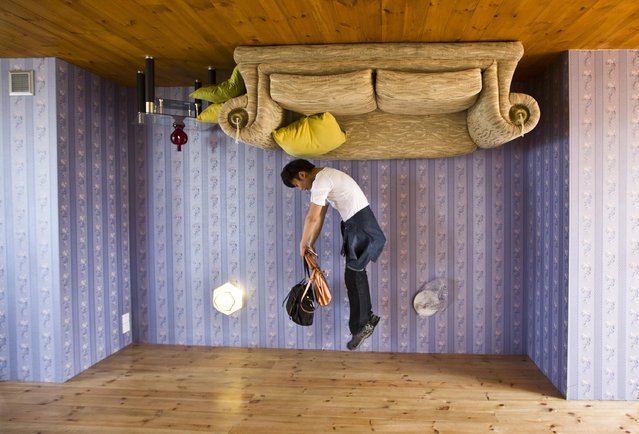
A tourist jumps inside an upside-down house at Fengjing Ancient Town, Jinshan District, south of Shanghai, May 1, 2014. The upside-down house was built as a tourist attraction using everyday household items and furniture. (Photo by Aly Song/Reuters)
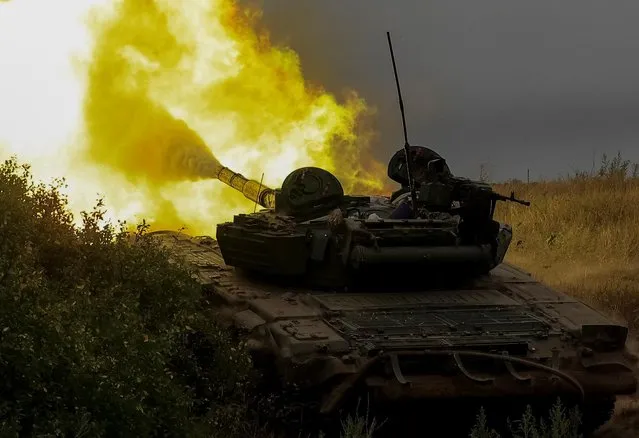
Ukrainian servicemen fire toward Russian troops with a tank at a position in Donetsk region, as Russia's attack on Ukraine continues, Ukraine on August 12, 2022. (Photo by Reuters/Stringer)
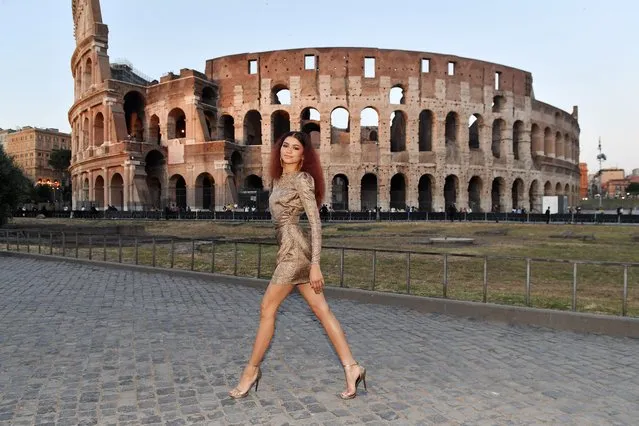
American actress and singer Zendaya attends the Fendi Couture Fall Winter 2019/2020 Dinner on July 04, 2019 in Rome, Italy. (Photo by Jacopo Raule/Getty Images for Fendi)
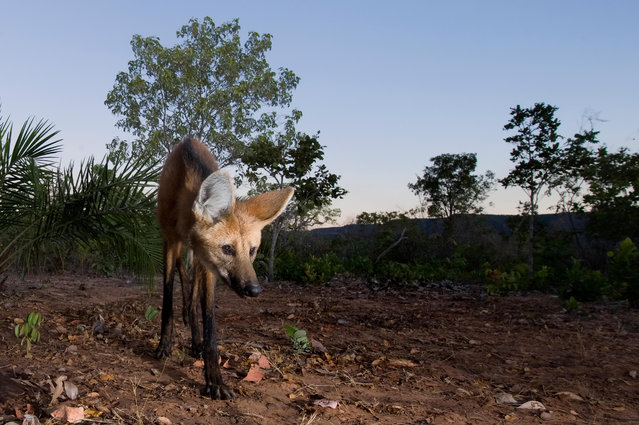
Global wildlife populations will decline by 67% by 2020 unless urgent action is taken to reduce human impact on species and ecosystems, warns the biennial Living Planet Index report from WWF (World Wide Fund for Nature) and ZSL (Zoological Society of London). From elephants to eels, here are some of the wildlife populations most affected by human activity. Here: The maned wolf is among the large mammals in the Brazilian Cerrado that are threatened by the increasing conversion of grasslands into farmland for grazing and growing crops. (Photo by Ben Cranke/Nature Picture Library/Alamy Stock Photo)