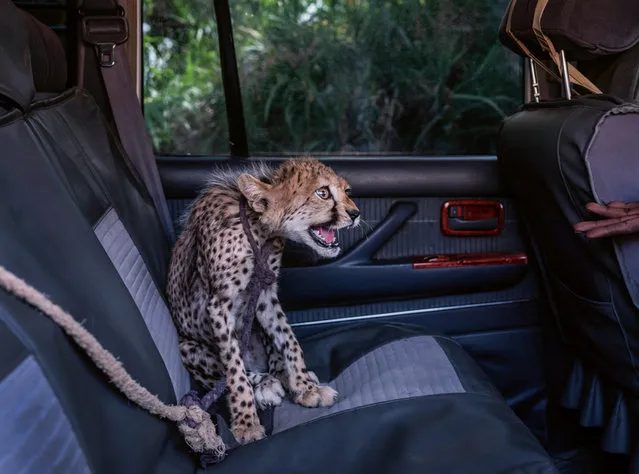
A five-month-old cheetah seated in the back of a Land Cruiser growls at an outstretched hand after being taken from traffickers in Ethiopia and driven to Harirad, Somaliland, in 2020. This photo is part of the work of more than 100 artists in Why We Photograph Animals, a new collection of wildlife photography that aims to help understand why people have photographed animals at different points in history and what it means in the present. (Photo by Nichole Sobecki/Thames & Hudson)
Richard Rude Junior of the United States, competes on his way to win the UCI MTB Enduro Men Elite, Mountain Bike World Championship, Monday, September 1, 2025, in Fiesch, Switzerland. (Photo by Maxime Schmid/Keystone via AP Photo)
This photograph shows French street artist James Colomina's Santa Claus work, depicting a Santa Claus lying on the ground, his head and torso crushed by a huge white gift box adorned with a red ribbon on the Place de la Republique in Paris, on December 19, 2024. (Photo by Julien de Rosa/AFP Photo)
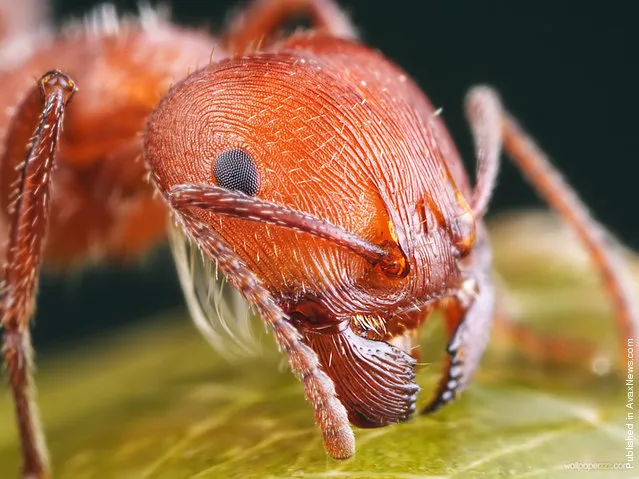
Once upon a time a myth was born that insects, unlike animals, are just a machines that not capable of learning and survive only based on their instincts. That myth has become the widespread opinion. Of course, this opinion is indeed erroneous, like many other widespread opinions. Let us try to find out which part is a myth and which part is true.
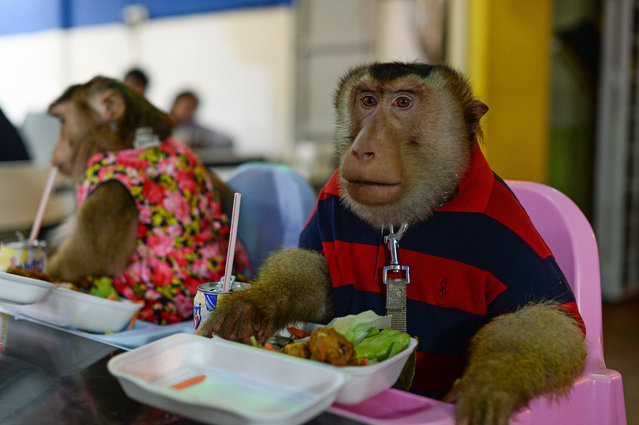
This photo taken on April 25, 2015 shows a pet male monkey named “JK” (R) and his partner “Shaki” (L) eating dinner at a restaurant in Kuala Lumpur. Jamil, a 45-year single Malaysian man, has unusual pets – two macaque monkeys. JK and Shaki, both nine years old, usually ride with Jamil on his motorcycle and they often have dinner together in public restaurants, drawing instant public awe. (Photo by Mohd Rasfan/AFP Photo)
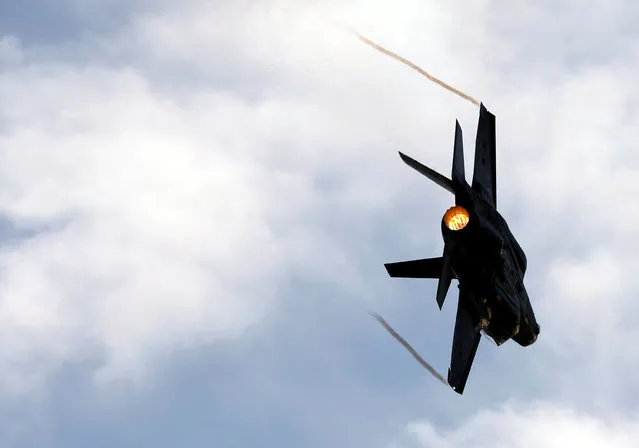
An Israeli Air Force F-35 fighter jet flies during an aerial demonstration at a graduation ceremony for Israeli airforce pilots at the Hatzerim air base in southern Israel December 29, 2016. (Photo by Amir Cohen/Reuters)