Loading...
Done
A talented portrait photographer has moved on from capturing traditional human subjects – instead photographing a stunning variety of wild animals. Brad Wilson, 51, stands just feet away from the likes of tigers, rhinos, elephants and primates. Each animal is given the same respect and dignity as any human subject, with Brad setting up a full photographic studio, either at or near sanctuaries and zoos across the U.S. (Photo by Brad Wilson/Caters News)

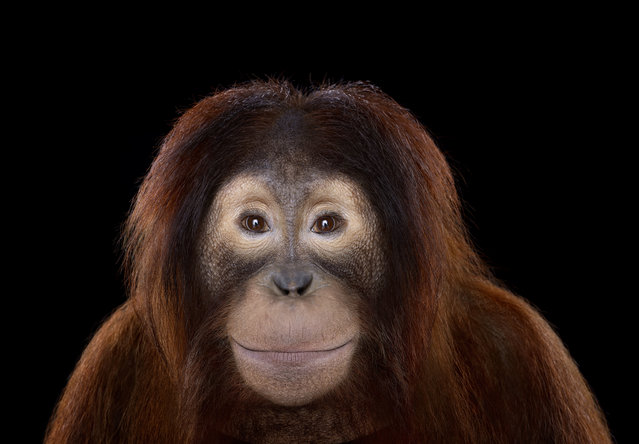
A talented portrait photographer has moved on from capturing traditional human subjects – instead photographing a stunning variety of wild animals. Brad Wilson, 51, stands just feet away from the likes of tigers, rhinos, elephants and primates. Each animal is given the same respect and dignity as any human subject, with Brad setting up a full photographic studio, either at or near sanctuaries and zoos across the U.S. The works are the second part of Brad's Affinity series, which the photographer – based in Los Angeles, California, first started working on in 2010. Here: Orangutan. (Photo by Brad Wilson/Caters News)
Details
16 Sep 2015 14:53:00
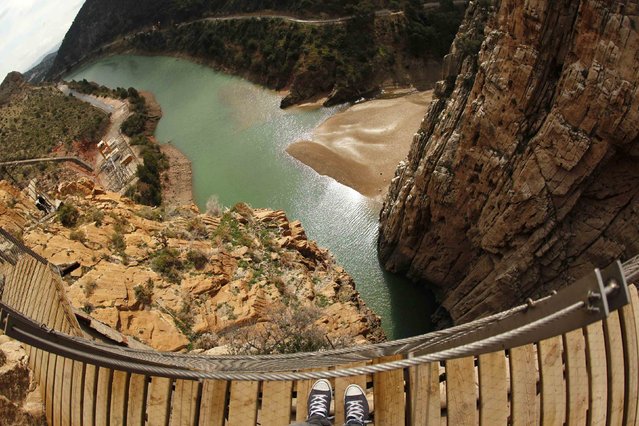
Journalists (L) walk along the new Caminito del Rey (The King's Little Pathway) in El Chorro-Alora, near Malaga, southern Spain March 15, 2015. (Photo by Jon Nazca/Reuters)

Journalists (L) walk along the new Caminito del Rey (The King's Little Pathway) in El Chorro-Alora, near Malaga, southern Spain March 15, 2015. Dubbed by many media outlets as the world's scariest pathway, the three-kilometre long pathway, which was built at about 100 metres (330 ft) above the gorge of Los Gaitanes between the years of 1901 and 1905, was closed in 2001 after five people died. A new walkway has then been built over the old walkway and will open to the public on March 28, 2015. (Photo by Jon Nazca/Reuters)
Details
16 Mar 2015 09:56:00
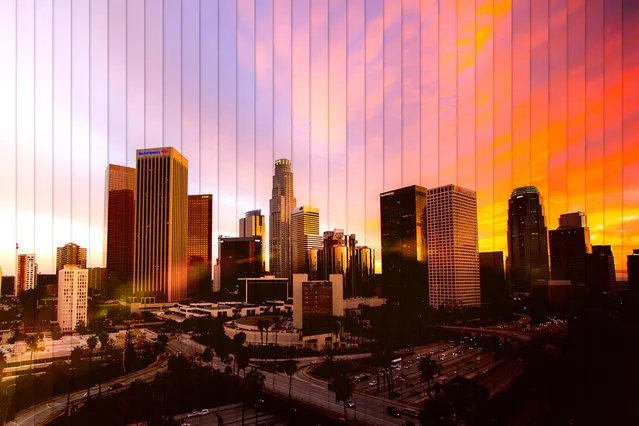
Chicago: 35 photographs, 15 minutes. (Photo by Daniel Marker-Moors/Caters News)

A photographer is using a unique method to show the shift from day to night across famous cities in spectacular images. Daniel Marker-Moors' take on time-lapse photography – which he calls time slice – sees the photographer snap image after image, before combining them to create beautiful, vibrant works. His images usually focus on a point in the day with the most dramatic change in light, such as sunrise or sunset. Marker-Moors, from Los Angeles, begins by shooting hundreds and sometimes thousands of images from the same spot. Here: Chicago – 35 photographs, 15 minutes. (Photo by Daniel Marker-Moors/Caters News)
Details
21 Dec 2015 08:04:00
Marcello Di Francesco took third place in the Macro category for this picture of an Emperor shrimp (Periclimenes imperator), taken in the waters near Indonesia's Ambon Island

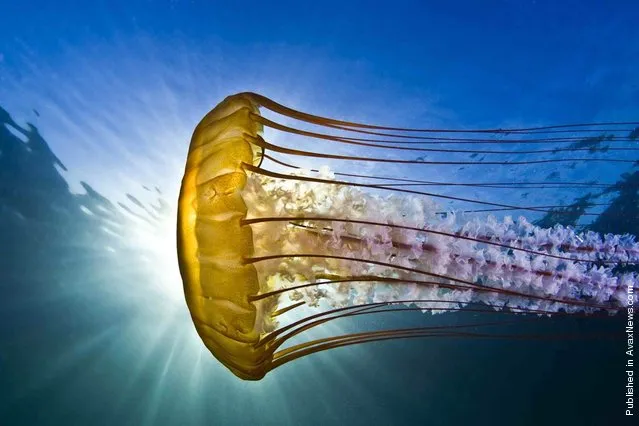
More than 700 underwater images were submitted for the 2012 Annual Underwater Photography Contest, hosted by the University of Miami's Rosenstiel School of Marine & Atmospheric Science. This year, for the first time, the University of Miami set up a “Fan Favorite” category for its underwater photo competition. Internet users could vote for their favorite among five pictures. Todd Aki's photo of a jellyfish took the prize, snaring 599 of the 1,221 votes cast. (Photo by Todd Aki)
Details
22 Apr 2012 12:47:00
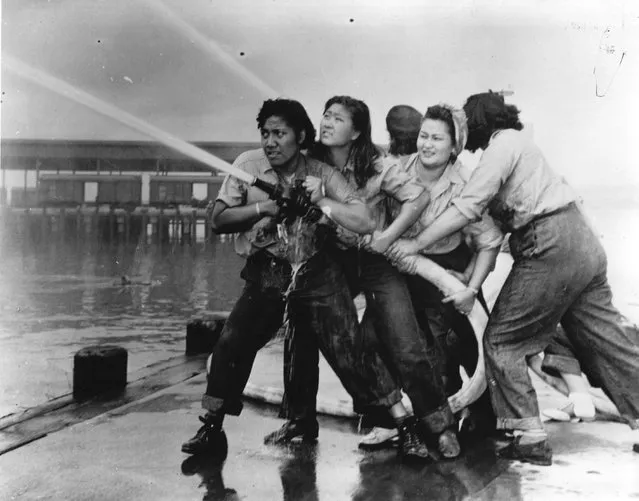
Women fire fighters directing a hose after the Japanese attack on the US naval base at Pearl Harbour (Pearl Harbor). (Photo by Three Lions/Getty Images)

“Pearl Harbor, known to Hawaiians as Puʻuloa, is a lagoon harbor on the island of Oʻahu, Hawaiʻi, west of Honolulu. Much of the harbor and surrounding lands is a United States Navy deep-water naval base. It is also the headquarters of the U.S. Pacific Fleet. The attack on Pearl Harbor by the Empire of Japan on December 7, 1941, brought the United States into World War II”. – Wikipedia

Photo: Women fire fighters directing a hose after the Japanese attack on the US naval base at Pearl Harbour (Pearl Harbor). (Photo by Three Lions)


Details
07 Dec 2012 09:01:00
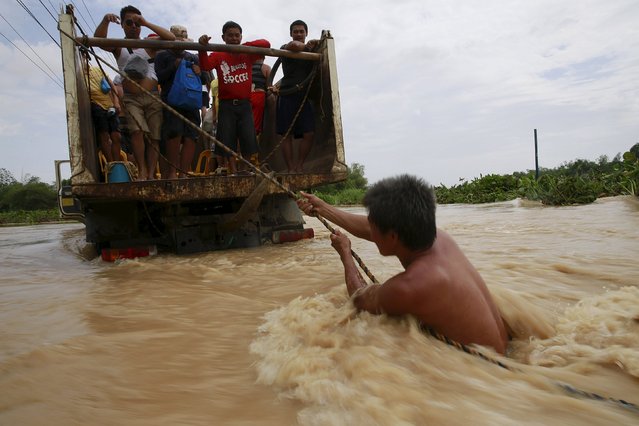
A man holds on a rope as he tries to board a truck while crossing floodwaters brought by typhoon Koppu that battered Candaba town, Pampanga province, north of Manila October 20, 2015. (Photo by Romeo Ranoco/Reuters)

A man holds on a rope as he tries to board a truck while crossing floodwaters brought by typhoon Koppu that battered Candaba town, Pampanga province, north of Manila October 20, 2015. Typhoon Koppu swept across the northern Philippines killing at least nine people as trees, power lines and walls were toppled and flood waters spread far from riverbeds, but tens of thousands of people were evacuated in time. (Photo by Romeo Ranoco/Reuters)
Details
22 Oct 2015 08:06:00
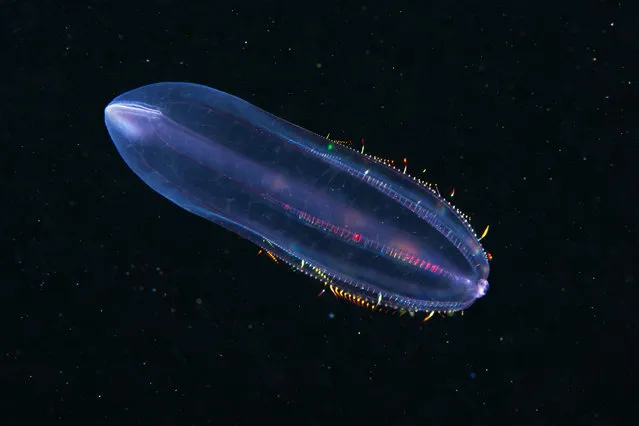
A Comb jelly – Beroe cucumis. (Photo by Alexander Semenovs/Caters News)

Underwater photographer Alexander Semenovs has snapped some of the most stunning, fragile life forms anywhere on planet Earth. Shot in deep, dark conditions, the images continue to provide an insight into what lies beneath, with glowing creatures appearing a lot like aliens in the pitch-black water. Semenovs has shot the likes of bioluminescent jellyfish, aggressive-looking worms and many species that leave a lot to the imagination. The 30-year-old from Moscow does the majority of his work in the White Sea, near the Arctic Circle. Here: A Comb jelly – Beroe cucumis. (Photo by Alexander Semenovs/Caters News)
Details
23 Nov 2015 08:06:00
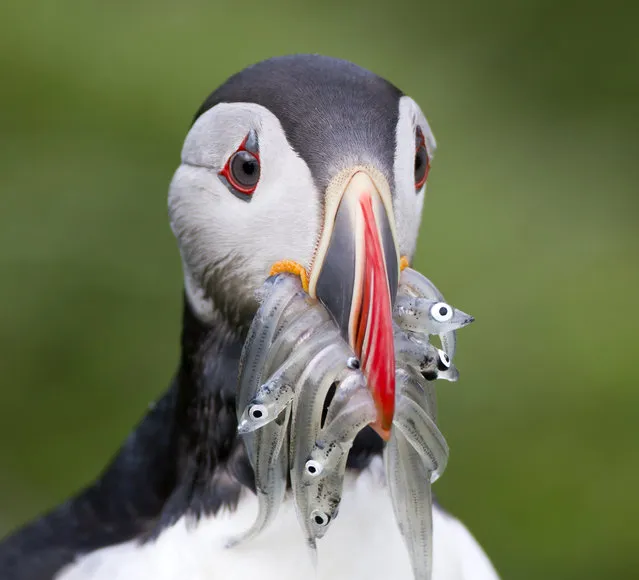
Atlantic Puffin Is AKA Puffins Or Puffin Birds

The Atlantic Puffin is definitely a curious-looking bird. The special coloring that this bird develops for the breeding season in the spring is very reminiscent of tropical birds. The bright colors of the beak and the markings around the eyes serve no particular advantage and have evolved as a result of sexual selection. However, Puffins don’t look that pretty all year round. They shed all these festive colors in partial moult after the breeding season is over. They lose the ornaments around their eyes, their face becomes darker, and their beak becomes very different. The natural habitat of these birds is the cold waters of the North Atlantic Ocean.
Details
12 Nov 2014 13:40:00