Loading...
Done
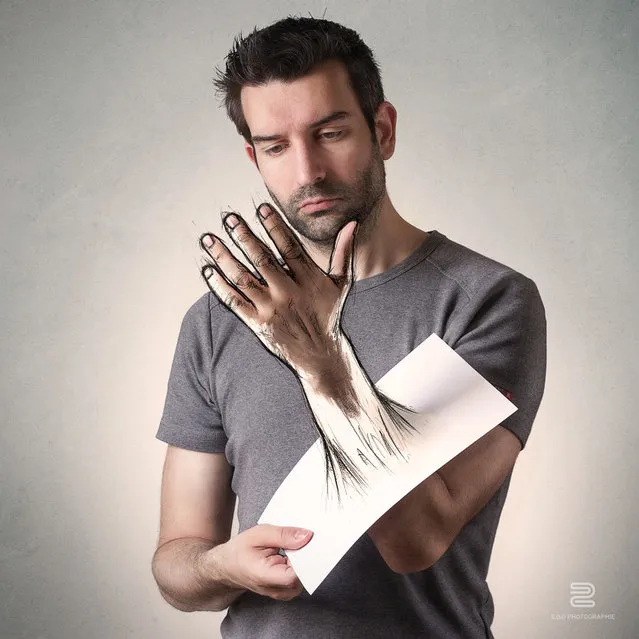
The Sketch Of A Life By Sebastien Del Grosso

Sébastien Del Grosso is a French artist and a photographer, who will allow you to enter the world of surrealism, which combines photography and hand-drawn art. His works masterfully blur the transition between the real photo and the picture. By viewing his works, we can see that Sébastien is not only a master of creating photo illusions, but also a person who tries to show his inner world through his art. His emotions, his feelings, his fears and desires are all vividly and skillfully expressed in simple strokes of a pencil. He is the continuation of his art. So much so, that he loses his identity, fearing it, but being unable to stop. (Photo by Sébastien Del Grosso)
Details
02 Dec 2014 12:11:00
Super Hero Minimalist Posters By Michael Turner Part 1

Have you ever heard of a psychological phenomenon which lets us easily understand words, even if the order of letters is mixed up, as long as the first and last letters remain in their rightful place? Similarly, the art works of Michael Turner use only two colors to highlight the main futures of well-recognized superheroes, allowing our imagination to create the rest of the picture. The colors used in the pictures weren’t chosen at random. They perfectly reflect the key characteristics of the superheroes that they depict. For example, the picture of Flash uses red and yellow colors, which are exactly the colors of his costume. While the picture of Green Lantern is, you’ve guessed it, green and black. (Photo by Michael Turner)
Details
10 Dec 2014 11:38:00
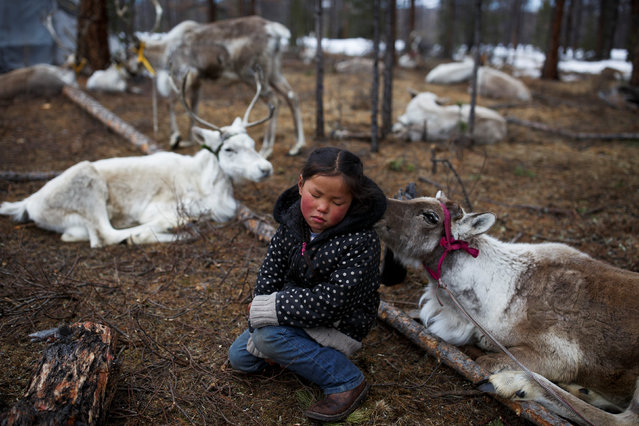
Tsetse, six-year-old daughter of Dukha herder Erdenebat Chuluu, sits among her family's reindeer in a forest near the village of Tsagaannuur, Khovsgol aimag, Mongolia, April 21, 2018. (Photo by Thomas Peter/Reuters)

Tsetse, six-year-old daughter of Dukha herder Erdenebat Chuluu, sits among her family's reindeer in a forest near the village of Tsagaannuur, Khovsgol aimag, Mongolia, April 21, 2018. Nyamaa is an ethnic Darkhad, herders of northern Mongolia who have historically inhabited the steppe that borders the Taiga forests. (Photo by Thomas Peter/Reuters)
Details
26 May 2018 00:03:00
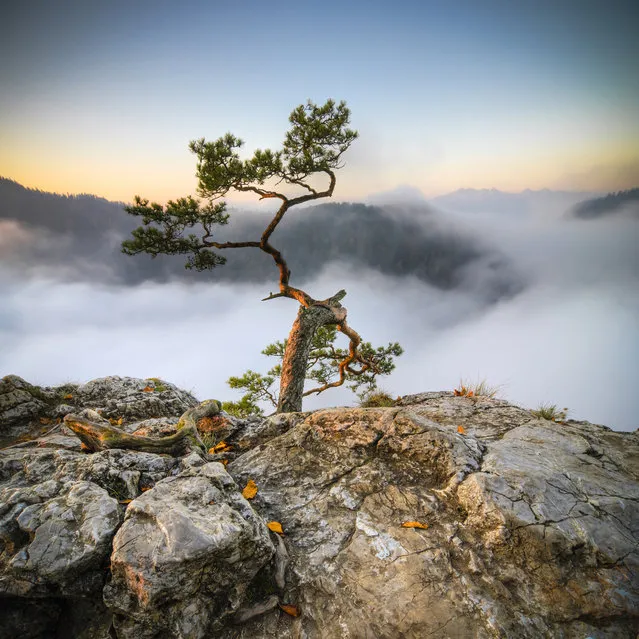
“Sokolica”. Sokolica, Poland. (Photo and caption by Marcin Kęsek/National Geographic Traveler Photo Contest)

“Sokolica”. Sokolica, Poland. (Photo and caption by Marcin Kęsek/National Geographic Traveler Photo Contest)

ATTENTION! All pictures are presented in high resolution. To see Hi-Res images – just TWICE click on any picture. In other words, click small picture – opens the BIG picture. Click BIG picture – opens VERY BIG picture.
Details
25 Jun 2013 09:13:00
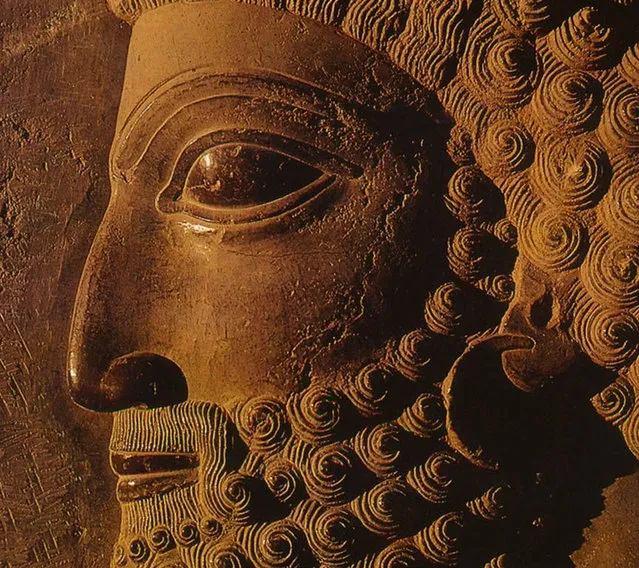
Persepolis, Takht-E-Jamshid Iran

Few people haven’t heard about the ancient city of Persepolis, which lies at the foot of the Mountain of Mercy (Kuh-I-Rahmat). In ancient times, Persepolis was the capital of the Achaemenid Empire. Regretfully, it was burned by the Greeks in 330 BC after they looted the immense treasure of this city. It is said that Greeks needed 5,000 camels and 20,000 mules to carry all the treasures from Persepolis. The only thing of Persepolis that has survived the wear of time is the ginormous stone terrace 530 by 330 meters adorned by elaborate stone sculptures. It is amazing how intricately detailed some of the sculptures are, despite the fact that they were created many centuries ago.
Details
26 Oct 2014 12:30:00
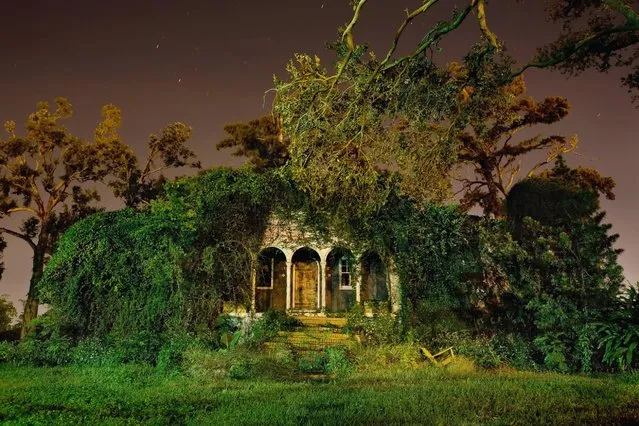
“Telemachus”. Farragut Street, New Orleans, La. Nov. 2006. (Photo by Frank Relle)

Photographer Frank Relle takes long-exposure images of houses in New Orleans. Says Relle, “The city at night comes alive for me. I imagine stories about the people’s lives inside the homes based on the evidence on the outside. My photographs become a portrait without the person. The night obscures details and the lack of information gives possibility”. Photo: “Telemachus”. Farragut Street, New Orleans, La. Nov. 2006. (Photo by Frank Relle)
Details
13 May 2014 08:59:00
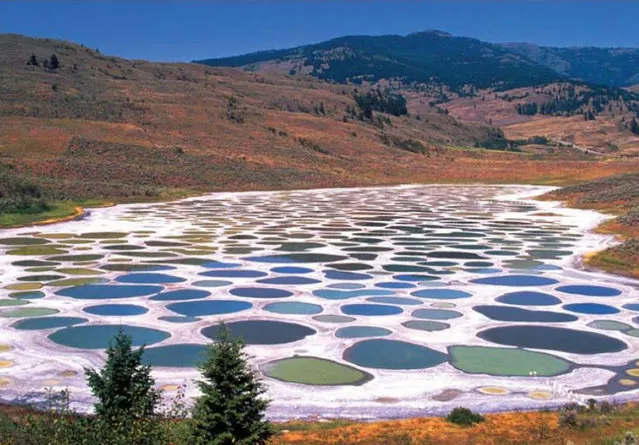
Kliluk, the Spotted Lake, Canada

Originally known to the First Nations of the Okanagan Valley as Khiluk, which was- and remains today revered as a sacred site producing therapeutic waters. During World War I the minerals of Spotted Lake were used in manufacturing ammunition. Later the area came under the control of the Ernest Smith Family, for a term of about 40 years. In 1979 Smith attempted to create interest in a spa at the lake. The First Nations responded with an effort to buy the lake; in October 2001 they finally struck a deal. First Nations arranged the purchase of 22 hectares of land for a total of $720,000, and contributed about 20% of the cost. The Indian Affairs Department paid the remainder.
Details
06 Mar 2015 12:59:00
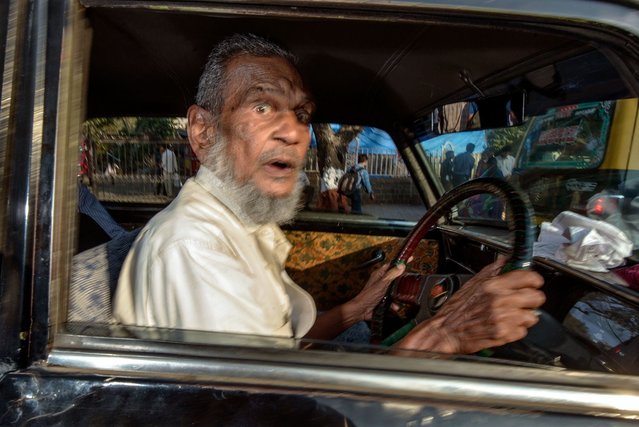
Road Wallah by Photographer Dougie Wallace

“Bombay’s once ubiquitous Premier Padmini taxis were introduced in the 60s and are dwindling at an alarming rate. This follows a decree banning vehicles over 25 years old from the streets to be replaced with “modern alternatives”. In a few years these iconic workhorses will be gone from Bombay’s streets altogether. It is important to capture this before it disappears and I see the road wallah's cabs as the time capsules that allow me to do this”. – Dougie Wallace, Bombay India, March, 2013. (Photo by Dougie Wallace)
Details
27 May 2013 12:01:00