Loading...
Done
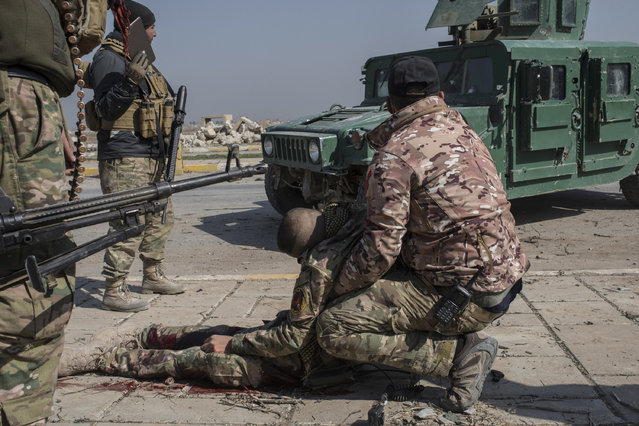
An injured Iraqi Emergency Response Division (ERD) soldier hit by a mortar is held by another officer as they wait for medics to arrive at the Islamic State occupied Mosul Airport in west Mosul, part of the offensive to retake the city some two years after it fell to the hardline jihadist group, February 23, 2017. Iraqi forces encountered stiff resistance with improvised explosives, heavy mortar fire and snipers hampering their advance before they successfully took the airport. (Photo by Martyn Aim/Getty Images)

An injured Iraqi Emergency Response Division (ERD) soldier hit by a mortar is held by another officer as they wait for medics to arrive at the Islamic State occupied Mosul Airport in west Mosul, part of the offensive to retake the city some two years after it fell to the hardline jihadist group, February 23, 2017. Iraqi forces encountered stiff resistance with improvised explosives, heavy mortar fire and snipers hampering their advance before they successfully took the airport. (Photo by Martyn Aim/Getty Images)
Details
27 Feb 2017 00:01:00
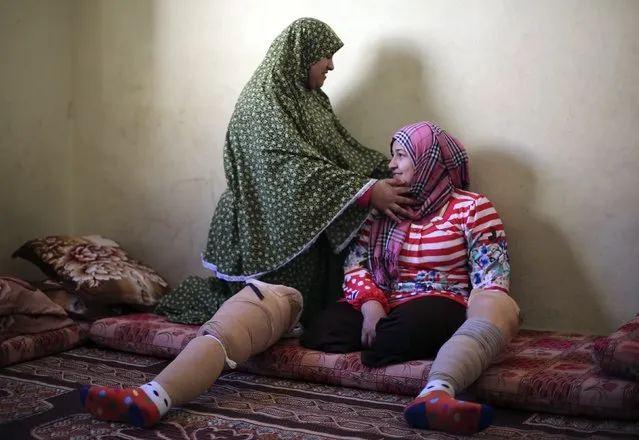
Palestinian girl Manar Al-Shinbari (R), 15, who lost her both legs by what medics said was Israeli shelling at a UN-run school where she was taking refuge during the 50-day war last summer, is helped by her sister to put on her headscarf in an apartment in Jabaliya refugee camp in the northern Gaza Strip January 13, 2015. (Photo by Mohammed Salem/Reuters)

Palestinian girl Manar Al-Shinbari (R), 15, who lost her both legs by what medics said was Israeli shelling at a UN-run school where she was taking refuge during the 50-day war last summer, is helped by her sister to put on her headscarf in an apartment in Jabaliya refugee camp in the northern Gaza Strip January 13, 2015. Manar's mother and three of her brothers were killed in the same incident. The girl's family house was destroyed by Israeli shelling during the war. (Photo by Mohammed Salem/Reuters)
Details
14 Jan 2015 12:34:00
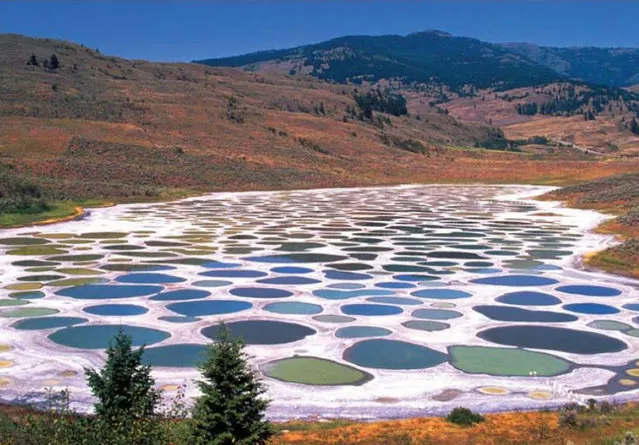
Kliluk, the Spotted Lake, Canada

Originally known to the First Nations of the Okanagan Valley as Khiluk, which was- and remains today revered as a sacred site producing therapeutic waters. During World War I the minerals of Spotted Lake were used in manufacturing ammunition. Later the area came under the control of the Ernest Smith Family, for a term of about 40 years. In 1979 Smith attempted to create interest in a spa at the lake. The First Nations responded with an effort to buy the lake; in October 2001 they finally struck a deal. First Nations arranged the purchase of 22 hectares of land for a total of $720,000, and contributed about 20% of the cost. The Indian Affairs Department paid the remainder.
Details
06 Mar 2015 12:59:00
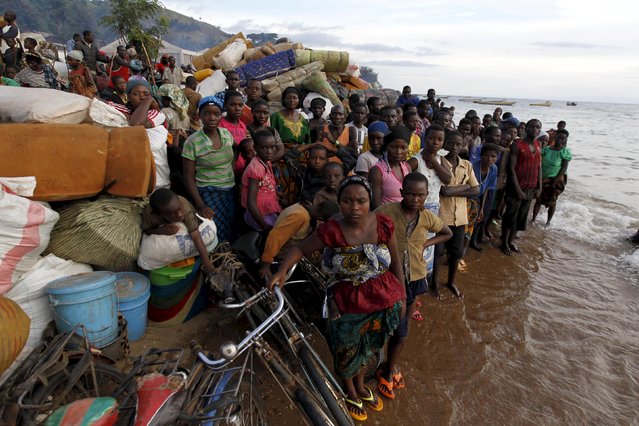
Burundian refugees gather on the shores of Lake Tanganyika in Kagunga village in Kigoma region in western Tanzania with their belongings, as they wait for MV Liemba to transport them to Kigoma township, May 17, 2015. (Photo by Thomas Mukoya/Reuters)

Burundian refugees gather on the shores of Lake Tanganyika in Kagunga village in Kigoma region in western Tanzania with their belongings, as they wait for MV Liemba to transport them to Kigoma township, May 17, 2015. Burundi's embattled President Pierre Nkurunziza sacked his defense and foreign ministers on Monday, five days after surviving an attempted coup by generals opposed to his bid for a third term in office. (Photo by Thomas Mukoya/Reuters)
Details
19 May 2015 11:50:00
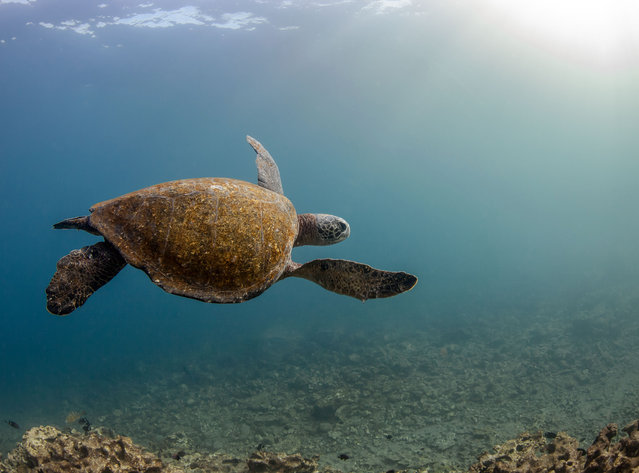
Green turtles take special care of their carapace, scraping algae off on rocks or letting cleaner fish remove parasites. Thanks to long-term protection of nesting sites, and measures to reduce the numbers caught in fishing gear, some green turtle populations are starting to recover. (Photo by Philip Hamilton/The Guardian)

Teeming with images of spectacular underwater scenes from around the world, Call of the Blue is the culmination of a five-year project by the photographer and ocean conservationist Philip Hamilton. This groundbreaking book includes contributions from acclaimed scientists and ocean “guardians”, who reveal what drove them to answer the call of the blue. (Photo by Philip Hamilton/The Guardian)
Details
23 Nov 2018 00:03:00
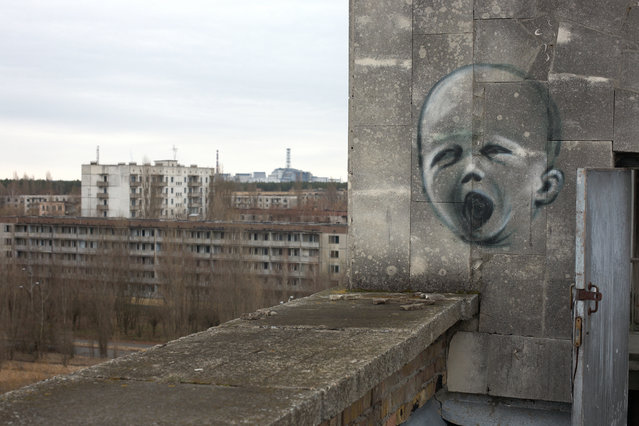
Graffiti of a crying baby on a wall, Chernobyl Power Plant, Chernobyl, Ukraine. (Photo by Hans Neleman/Getty Images)

The Chernobyl disaster was a catastrophic nuclear accident that occurred on 26 April 1986 at the Chernobyl Nuclear Power Plant in Ukraine, which was under the direct jurisdiction of the central authorities of the Soviet Union. The Chernobyl disaster is the worst nuclear power plant accident in history in terms of cost and resulting deaths, and is one of only two classified as a level 7 event (the maximum classification) on the International Nuclear Event Scale (the other being the Fukushima Daiichi nuclear disaster in 2011). Photo: Graffiti of a crying baby on a wall, Chernobyl Power Plant, Chernobyl, Ukraine. (Photo by Hans Neleman/Getty Images)
Details
27 Apr 2014 08:12:00
A woman smokes marijuana during a Global March for Marijuana in Medellin, Colombia, May 5, 2018. (Photo by Fredy Builes/Reuters)

A woman smokes marijuana during a Global March for Marijuana in Medellin, Colombia, May 5, 2018. The annual Global Marijuana March is taking place in over 100 cities across the world in an effort to raise awareness of the benefits of medical cannabis and to call for the legalization of marijuana. (Photo by Fredy Builes/Reuters)
Details
07 May 2018 08:28:00
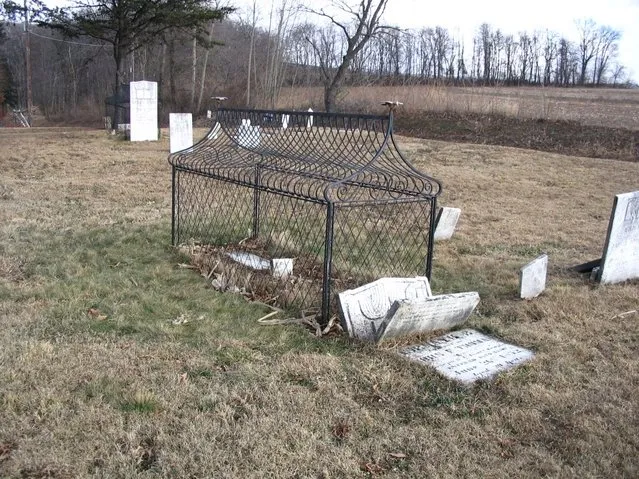
Mortsafe - Protection From The Dead

Mortsafes were contraptions designed to protect graves from disturbance. Resurrectionists had supplied the schools of anatomy in Scotland since the early 18th century. This was due to the necessity for medical students to learn anatomy by attending dissections of human subjects, which was frustrated by the very limited allowance of dead bodies – for example the corpses of executed criminals – granted by the government, which controlled the supply.
Details
29 Nov 2013 12:03:00