Loading...
Done
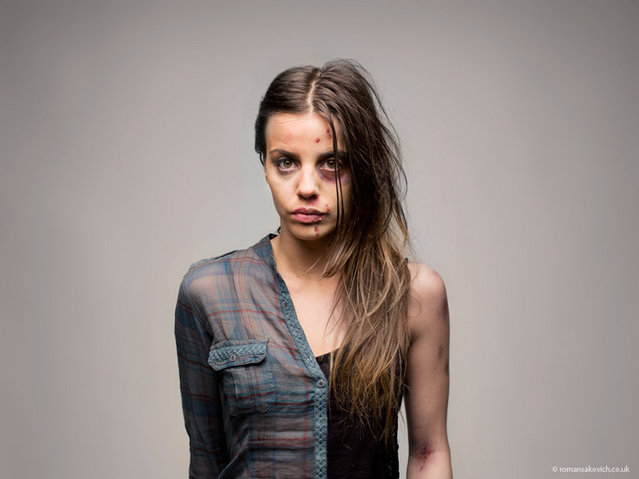
Roman Sakovich's By Portraits Before And After Drug Abuse

The above portrait is part of London-based photographer Roman Sakovich's project, “Half”, which highlights the drastic physical effects of substance abuse. Sakovich has created split images that simultaneously portray an individual prior to and post addiction, leaving the viewer with a stark visualization of the damaging effects of drug use on our bodies.
Details
10 Mar 2013 11:19:00
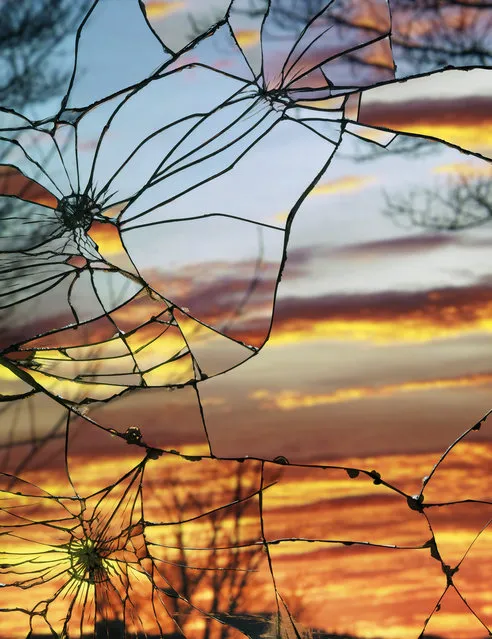
Broken Mirrors By  Bing Wright

We pleased to present Broken Mirror/Evening Sky, a new series of striking landscape photographs by New York based artist Bing Wright. Departing from his usual pared down images in grey palettes, Wright offers us moving skyscape photographs of richly colored sunsets reflected onto broken mirrors. This new body of work marks his first return to color photography in almost a decade.
Details
01 Mar 2014 11:35:00
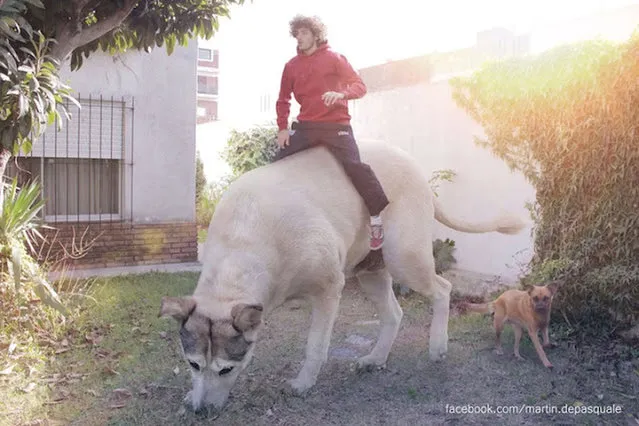
Impossible Photography by Martín De Pasquale

These images by Buenos Aires-based graphic design student Martín De Pasquale are so surreal that, obviously, you know they are photoshopped. But they are perfectly executed and very funny. To learn more about the artist and the art of photoshopping we suggest you to check out some of his behind the scenes photos in his Fotografía Imposible folder on Facebook
.
Details
09 Dec 2012 12:59:00
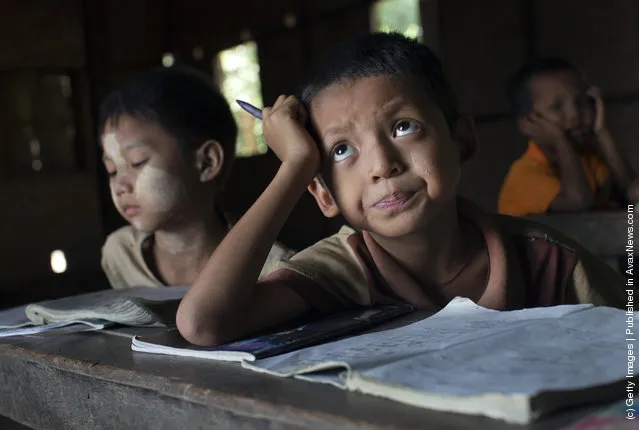
Students at a small government school in Waw township, Myanmar

Burmese children attend classes at a government run school December 14, 2011 in Waw township, Myanmar. The education system is based on the United Kingdom's system, after nearly a century of British and Christian presences in Burma. (Photo by Paula Bronstein/Getty Images)
Details
20 Dec 2011 13:45:00
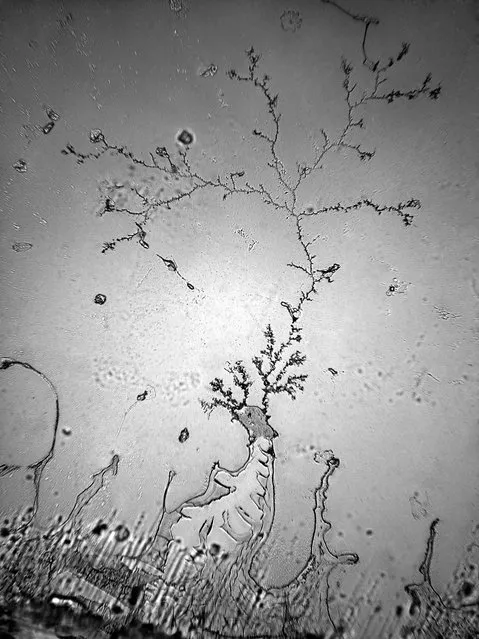
The Topography Of Tears By Rose-Lynn Fisher

Do tears of joy look the same as ones of woe—or ones from chopping onions? In “The Topography of Tears,” the Los Angeles-based photographer Rose-Lynn Fisher explores the physical terrain of one hundred tears emitted during a range of emotional states and physical reactions. Using a Zeiss microscope with an attached digital camera, she captures the composition of tears enclosed in glass slides, magnified between 10x and 40x. “There are many factors that determine the look of each tear image, including the viscosity of the tear, the chemistry of the weeper, the settings of the microscope, and the way I process the images afterwards,” she says.
Details
21 May 2014 17:46:00
The Chinese community in Glasgow celebrate Chinese New Year in Glasgow City Chamber on January 29, 2017. (Photo by Jeff J. Mitchell/Getty Images)

The Chinese community in Glasgow celebrate Chinese New Year in Glasgow City Chamber on January 29, 2017. The Chinese Lunar New Year also known as the Spring Festival, which is based on the Lunisolar Chinese calendar, is celebrated from the first day of the first month of the lunar year and ends with Lantern Festival on the fifteenth day. (Photo by Jeff J. Mitchell/Getty Images)
Details
31 Jan 2017 10:20:00


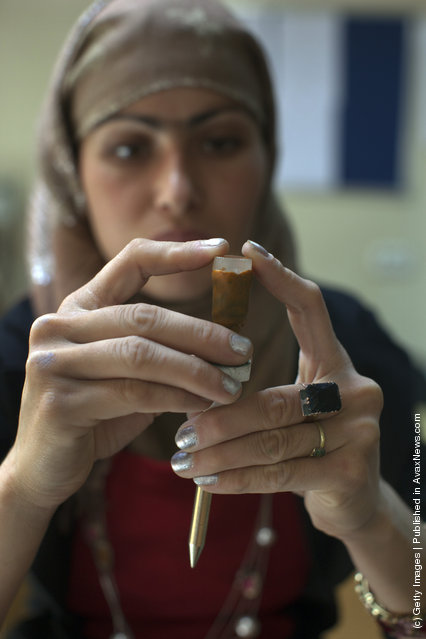
Student, Shoukria positions a stone for cutting at the Turquoise Mountain Gem cutting class on May 18, 2011, in Kabul, Afghanistan. The mineral resources of Afghanistan are relatively unexplored even with Afghanistan's mineral wealth of coal, copper, gold and iron ore, with precious and semiprecious stones, including high-quality emerald, lapis lazuli, red garnet and ruby. Given the country's remote and rugged terrain, on-going instability plus an inadequate infrastructure and transportation means that mining is still difficult. While many are trying to bring positive changes, Afghanistan's mining industry uses unregulated, primitive methods and outdated equipment. (Photo by Paula Bronstein/Getty Images)
Details
22 May 2011 09:11:00
Open Space Office By Tito Mouraz

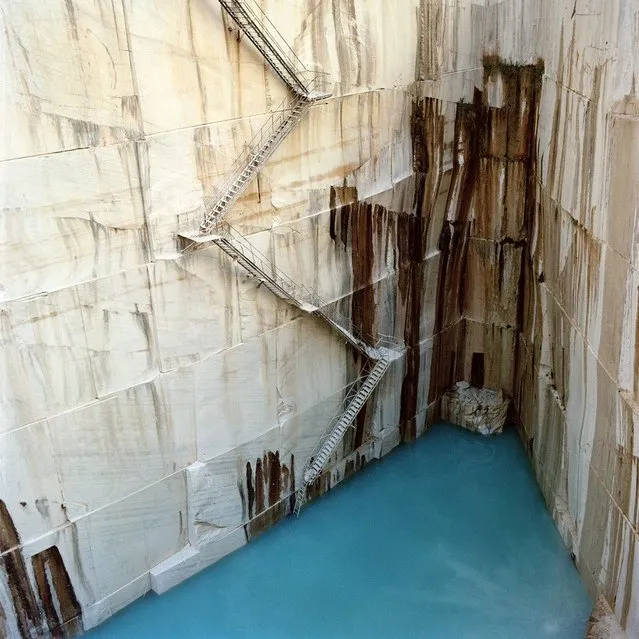
The photos, created by Tito Mouraz in Portugal, look too surreal, and it takes a while to realize that these are actually not painting but reality. The way people can completely transform the terrain is very reminiscent of the way people tend to change themselves. Chip away the granite of their soul, turning it into something that fits their idea of perfection. However, in the end, most of them end up with an obscene parody of beauty, rather than something truly marvelous. The reason for it is probably that people are actually oblivious to the true image of beauty, making them stumble around in the dark, hoping to find something that might not exist at all. (Photo by Tito Mouraz)
Details
30 Oct 2014 13:13:00