A spectator shows off her green, white and gold eyelashes as the annual Saint Patrick's day parade takes place on March 17, 2018 in Dublin, Ireland. Dublin hosts the largest Saint Patrick's day parade in the world with a route spanning 2.5 km. The Irish annals for the fifth century date Patrick's arrival in Ireland in the year 432 with the patron saint of Ireland's remains believed to be buried at Down Cathedral in County Down. (Photo by Charles McQuillan/Getty Images)
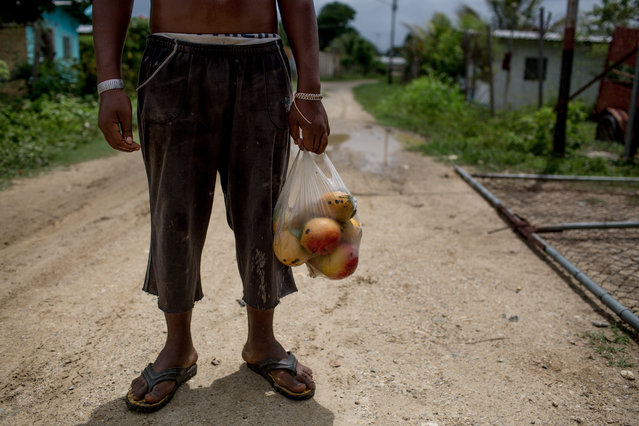
A teenager holds a bag of Mangos, a tropical fruit who grow up in threes in Caracas, Venezuela on June 22, 2016. The shortage of food especially in areas in extreme poverty had made Mangos the daily food. (Photo by Alejandro Cegarra/The Washington Post)
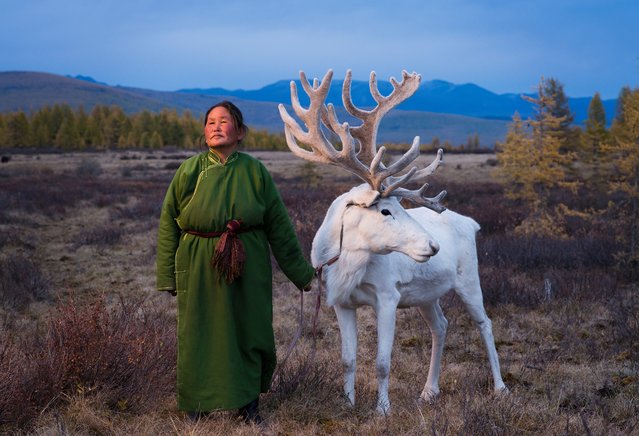
Saintsetseg Jambaldorj, a member of the Tsaatan ethnic minority, one of the last remaining groups of nomadic reindeer herders in East Taiga, Mongolia, wearing a traditional deel, on July 5, 2016. (Photo by Madoka Ikegami/Barcroft Images)
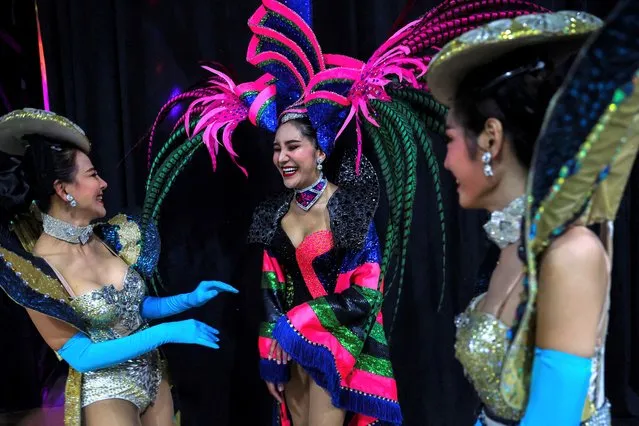
Peerapong Butakul, a transgender person also known as “Bee”, waits backstage during a rehearsal ahead of the reopening of Tiffany's show after closing for almost three years due to the coronavirus disease (COVID-19) pandemic, in Pattaya, Thailand on August 31, 2022. (Photo by Athit Perawongmetha/Reuters)
Spanish singer Rosalia Vila Tobella, known mononymously as Rosalía performs during Louis Vuitton Menswear ready-to-wear Fall/Winter 2023-2024 collection show as part of Men's Fashion Week in Paris, France on January 19, 2023. (Photo by Sarah Meyssonnier/Reuters)
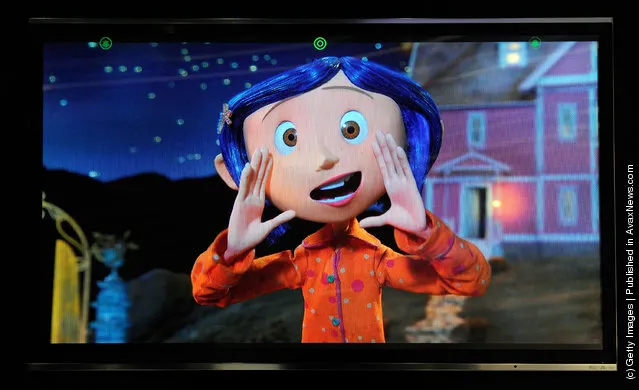
A glasses-free Toshiba 55-inch 3-D 4x full HD TV shows the movie, “Coraline” at the 2012 International Consumer Electronics Show at the Las Vegas Convention Center January 11, 2012 in Las Vegas, Nevada. The TVs are scheduled to be available this year and will come with embedded cameras with facial recognition capability so depending on where you are sitting, the set will adjust the viewing point for the best 3-D experience. (Photo by Ethan Miller/Getty Images)
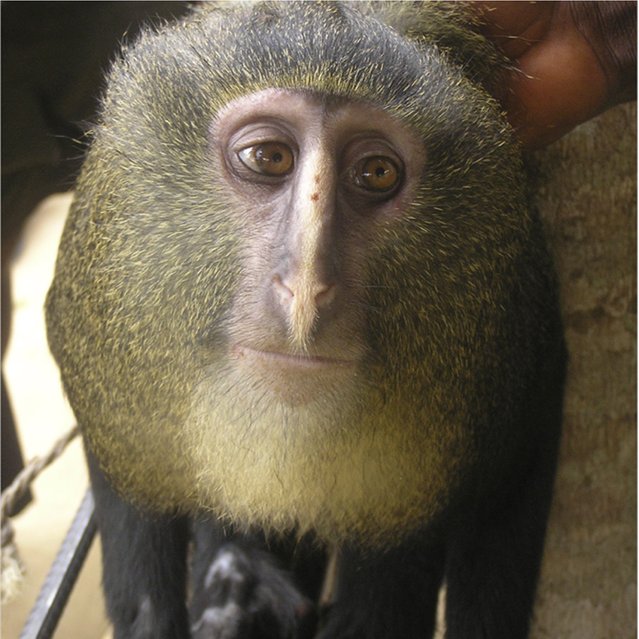
A new species of monkey found in the Democratic Republic of the Congo and identified as Lesula (Cercopithecus lomamiensis) is seen in this undated photograph from an article published September 12, 2012 in the science journal PLOS One. The monkey was first seen in 2007 by researchers John and Terese Hart of the Peabody Museum of Natural History at Yale Research Project. The finding of C. lomamiensis represents only the second new species of African monkey to be discovered in the past 28 years, according to the research article. (Photo by Hart J. A., Detwiler K. M., Gilbert C. C./Reuters)