Loading...
Done
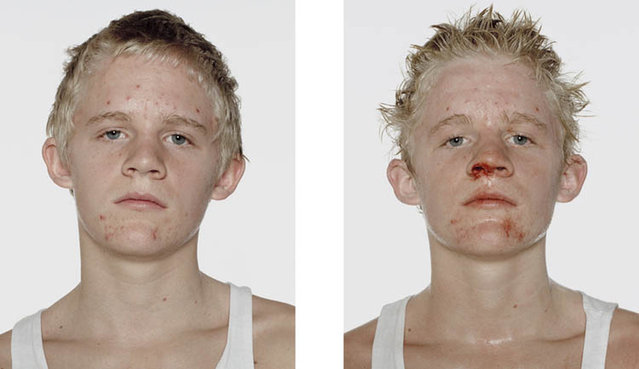
Portraits Of Boxers, Before And After By Nicolai Howalt

141 boxers’ by Danish visual artist and photographer Nicolai Howalt is a series of diptychs portraying boxers before and after their fight. Ranging from young boys to women, the collection of images delineates not only the brutal aftermath of a match but the more subtle changes in the subject’s physiology due to adrenaline, struggle, and the complex emotions that come with victory and loss.
Details
11 Jun 2014 13:26:00
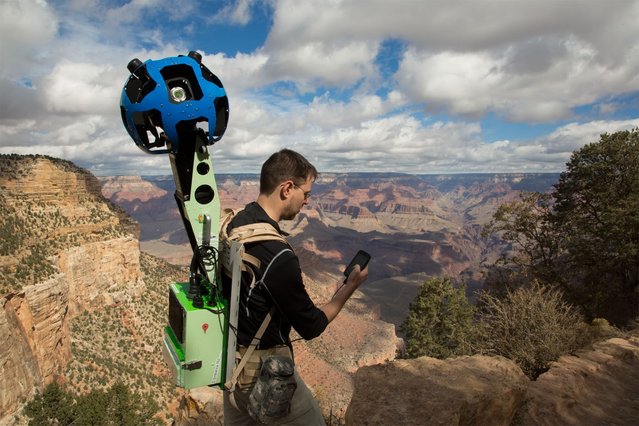
Google Takes Street View Tech Into The Grand Canyon

GRAND CANYON NATIONAL PARK, Ariz. -- Google and its street-view cameras already have taken users to narrow cobblestone alleys in Spain using a tricycle, inside the Smithsonian with a push cart and to British Columbia's snow-covered slopes by snowmobile.
Details
11 Feb 2013 09:10:00
Roman Sakovich's By Portraits Before And After Drug Abuse

The above portrait is part of London-based photographer Roman Sakovich's project, “Half”, which highlights the drastic physical effects of substance abuse. Sakovich has created split images that simultaneously portray an individual prior to and post addiction, leaving the viewer with a stark visualization of the damaging effects of drug use on our bodies.
Details
10 Mar 2013 11:19:00
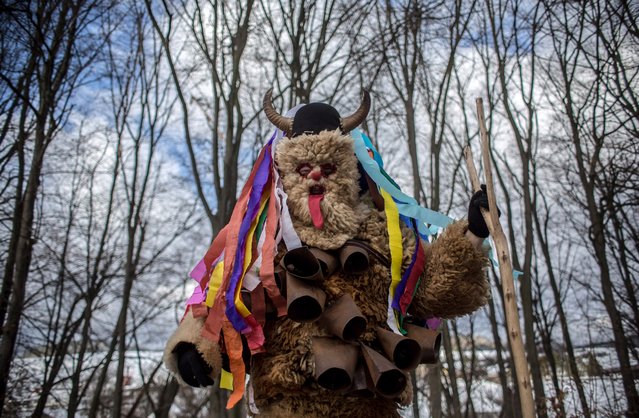
A participant dressed in a traditional devil costume walks from house to house during the traditional St. Nicholas parade on December 3, 2016 in village of Francova Lhota, Czech Republic. This type of parade is one of the most popular age-old traditions in a few villages in the Wallachia region of Eastern Czech Republic. St. Nicholas and company roam the streets going from house to house, for two or three days as St. Nicholas gives sweets and tiny gifts as a present to children and the devils get up to mischief. (Photo by Matej Divizna/Getty Images)

A participant dressed in a traditional devil costume walks from house to house during the traditional St. Nicholas parade on December 3, 2016 in village of Francova Lhota, Czech Republic. This type of parade is one of the most popular age-old traditions in a few villages in the Wallachia region of Eastern Czech Republic. St. Nicholas and company roam the streets going from house to house, for two or three days as St. Nicholas gives sweets and tiny gifts as a present to children and the devils get up to mischief. (Photo by Matej Divizna/Getty Images)
Details
05 Dec 2016 11:56:00


A pedestrian walks by an Apple Store following an announcement that Apple has become the world's most valuable brand on May 9, 2011 in San Francisco, California. In a report released by London based Millward Brown, Apple Inc. has surpassed Google to claim the top spot in a global ranking of brand value this year with an estimated value of more than $153 billion up 84 percent from last year. (Photo by Justin Sullivan/Getty Images)
Details
10 May 2011 08:44:00
Google Street View Captures Donkey Accident

When Google Maps was capturing images of a Street View in Botswana, it appeared that this donkey had been hit by a car. However, a representative from Google Maps has confirmed that the donkey was merely enjoying a roll in the dirt and is alive and well.
Details
20 Jan 2013 12:29:00
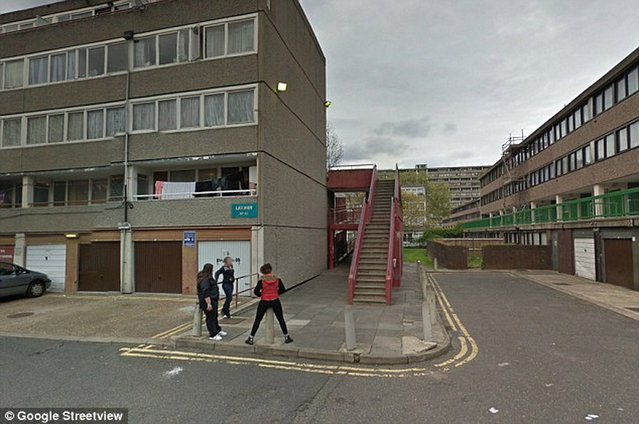
Bad Part of Town By Google Street View

Take a walk on the wild side around some of the most down right dangerous places in the world - and all without leaving your desk, courtesy of Google Street View. Since 2007, Google's amazing technology has given people the chance to visit the Eiffel Tower, peer out over San Francisco's Golden Gate Bridge or walk along a beach in the Bahamas. But as well as mapping the tourist-friendly hotspots, Google also ventured into places you really wouldn't want to find yourself. Here is a collection of some the most notorious areas captured by the infamous roaming camera cars from around the UK and the world.
Details
03 Oct 2013 11:05:00
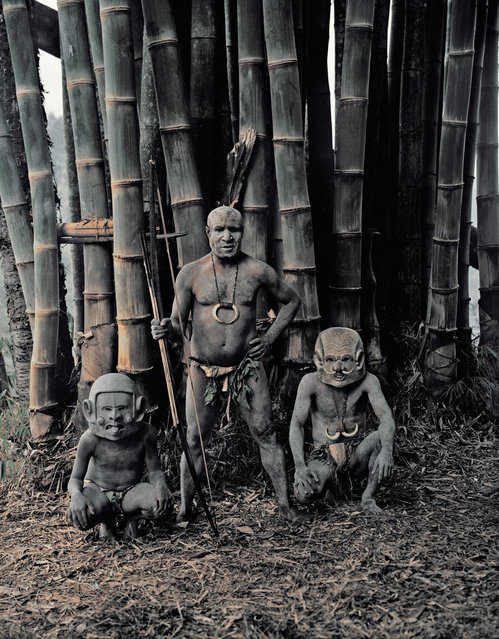
“Asaro from the Eastern Highlands”. The mudmen could not cover their faces with mud because the people of Papua New Guinea thought that the mud from the Asaro river was poisonous. So instead of covering their faces with this alleged poison, they made masks from pebbles that they heated and water from the waterfall, with unusual designs such as long or very short ears either going down to the chin or sticking up at the top, long joined eyebrows attached to the top of the ears, horns and sideways mouths. (Jimmy Nelson)

“Asaro from the Eastern Highlands”. The mudmen could not cover their faces with mud because the people of Papua New Guinea thought that the mud from the Asaro river was poisonous. So instead of covering their faces with this alleged poison, they made masks from pebbles that they heated and water from the waterfall, with unusual designs such as long or very short ears either going down to the chin or sticking up at the top, long joined eyebrows attached to the top of the ears, horns and sideways mouths. (Photo and caption by Jimmy Nelson)
Details
20 Oct 2013 08:54:00