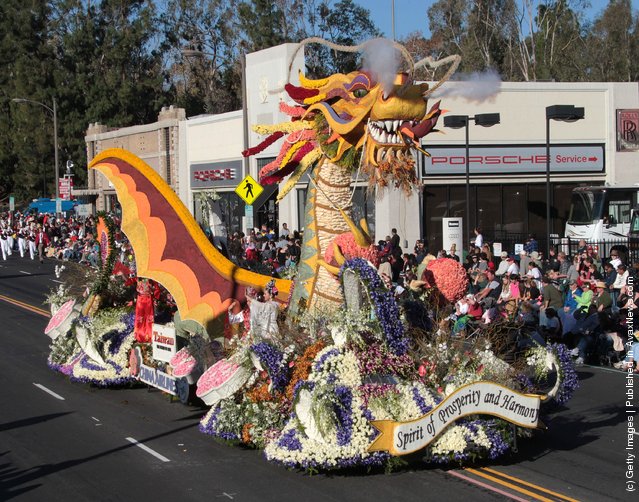
The International Trophy float on the parade route during the 123rd Rose Parade presented by Honda on January 2, 2012 in Pasadena, California. (Photo by Frederick M. Brown/Getty Images)
A toddler held by her father swims underwater during a swimming class for babies at Lane Cove pool February 16, 2007 in Sydney, Australia. (Photo by Ian Waldie/Getty Images)
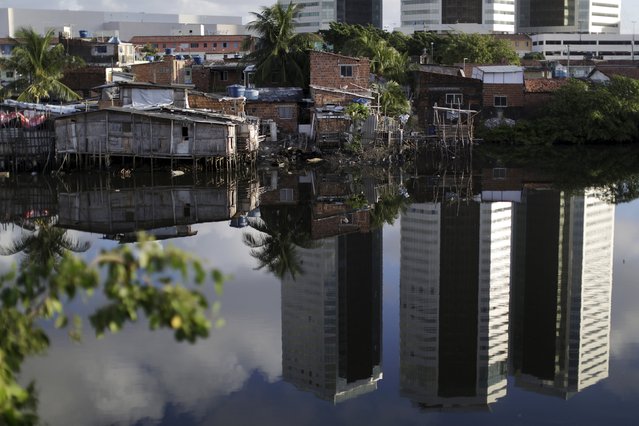
Luxury buildings are reflected in front of houses at a lake dwelling also known as or palafitte or “Palafito” in Recife, Brazil, March 1, 2016. Zika has spread most rapidly in the urban squalor of Brazil's northeastern coastal cities like Recife. (Photo by Ueslei Marcelino/Reuters)
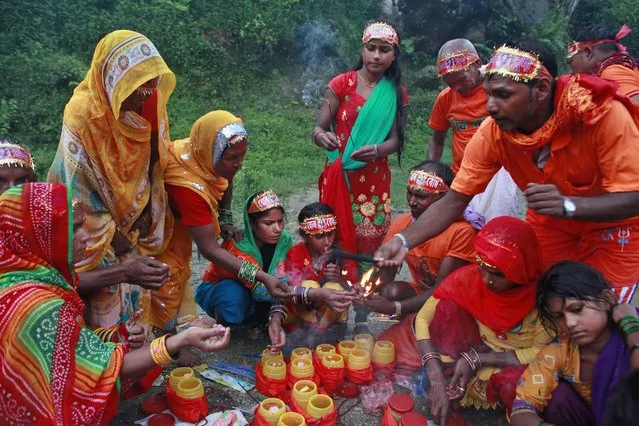
Hindu devotees perform rituals during the Bol Bom pilgrimage, on the outskirts of Kathmandu, Nepal, Monday, August 8, 2016. During this pilgrimage, devotees walk miles barefooted before offering water collected from Bagmati river, at the Pashupatinath temple in Katmandu. Shravan Somwar or Monday of Hindu calendar month of Shravan is considered auspicious for offering prayers to Lord Shiva, the god of destruction. (Photo by Niranjan Shrestha/AP Photo)
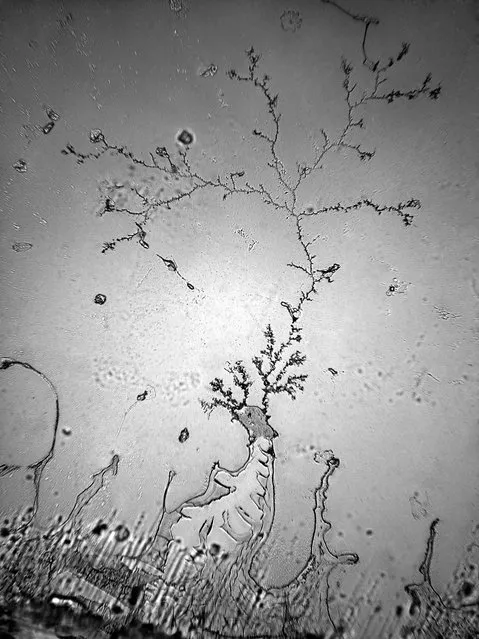
Do tears of joy look the same as ones of woe—or ones from chopping onions? In “The Topography of Tears,” the Los Angeles-based photographer Rose-Lynn Fisher explores the physical terrain of one hundred tears emitted during a range of emotional states and physical reactions. Using a Zeiss microscope with an attached digital camera, she captures the composition of tears enclosed in glass slides, magnified between 10x and 40x. “There are many factors that determine the look of each tear image, including the viscosity of the tear, the chemistry of the weeper, the settings of the microscope, and the way I process the images afterwards,” she says.
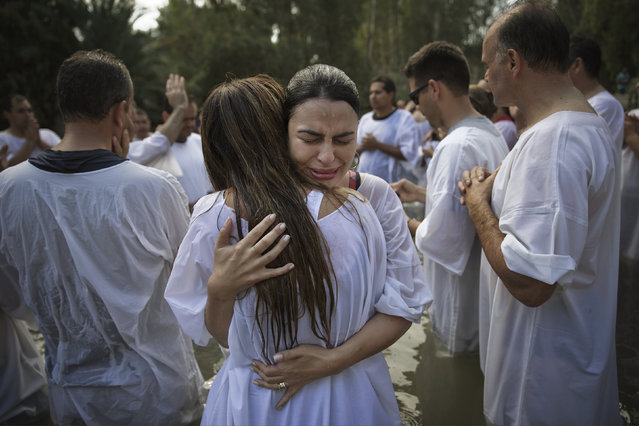
Christian pilgrims from Brazil embrace after they are baptized in the water of the Jordan River during a ceremony at the Yardenit baptismal site near the northern Israeli city of Tiberias October 15, 2014. (Photo by Finbarr O'Reilly/Reuters)