Loading...
Done
London 2012 victory medals

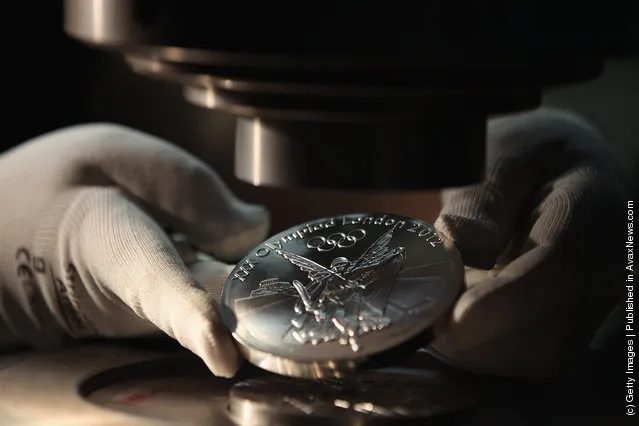
Production begins on the London 2012 victory medals at the Royal Mint on October 27, 2011 in Pontyclun, Wales. A total of 4700 medals will be made, split between the Olympics and Paralympics. Each medal, 85mm in diameter are the heaviest summer Olympic medals made and production will be completed by Spring 2012. (Photo by Michael Steele/Getty Images)
Details
29 Oct 2011 14:30:00
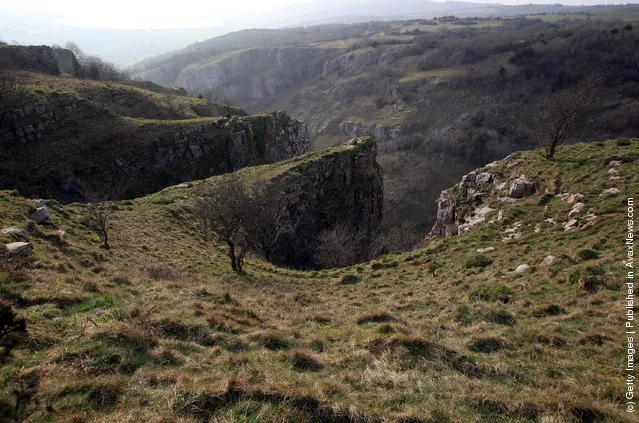
A general view of Cheddar Gorge

“Cheddar Gorge is a limestone gorge in the Mendip Hills, near the village of Cheddar in Somerset, England. The gorge is the site of the Cheddar show caves, where Britain's oldest complete human skeleton, Cheddar Man, estimated to be 9,000 years old, was found in 1903. Older remains from the Upper Late Palaeolithic era (12,000–13,000 years ago) have been found. The caves, produced by the activity of an underground river, contain stalactites and stalagmites”. – Wikipedia

Photo: A general view of Cheddar Gorge is seen on March 22, 2012 in Cheddar, England. With only a few months to go until the opening ceremony of the London 2012 Olympic games, Britain's tourist industry is hoping to benefit from the influx of athletes, officials and visitors. (Photo by Matt Cardy/Getty Images)
Details
23 Mar 2012 11:34:00
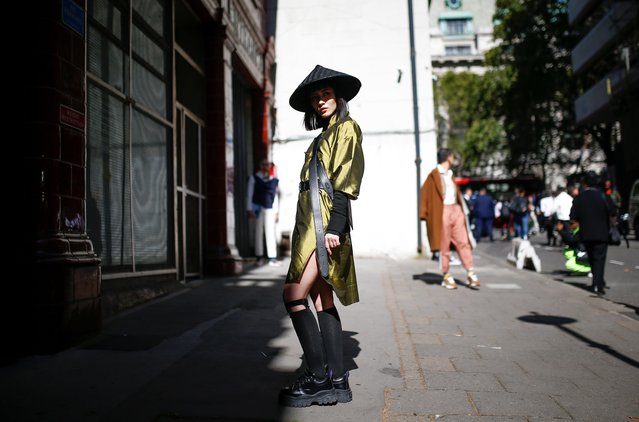
Fashionista poses for photographers during London Fashion Week in London, Britain, September 13, 2019. (Photo by Henry Nicholls/Reuters)

Fashionista poses for photographers during London Fashion Week in London, Britain on September 13, 2019. (Photo by Henry Nicholls/Reuters)
Details
19 Sep 2019 00:03:00
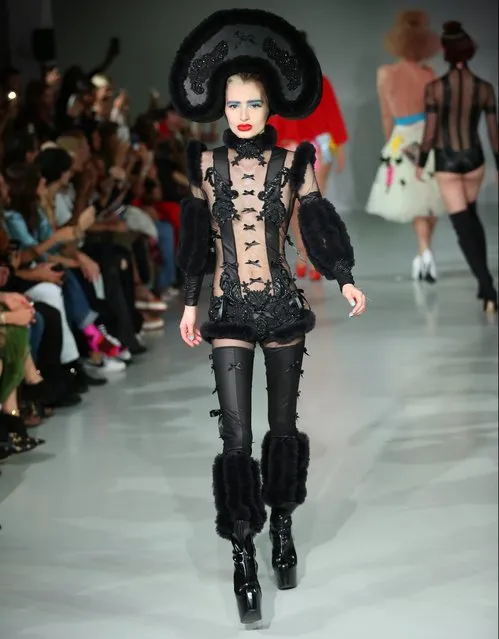
A model walks the runway at the Pam Hogg show during London Fashion Week September 2019 at Victoria House on September 13, 2019 in London, England. (Photo by Splash News and Pictures)

A model walks the runway at the Pam Hogg show during London Fashion Week September 2019 at Victoria House on September 13, 2019 in London, England. (Photo by Splash News and Pictures)
Details
21 Sep 2019 00:01:00
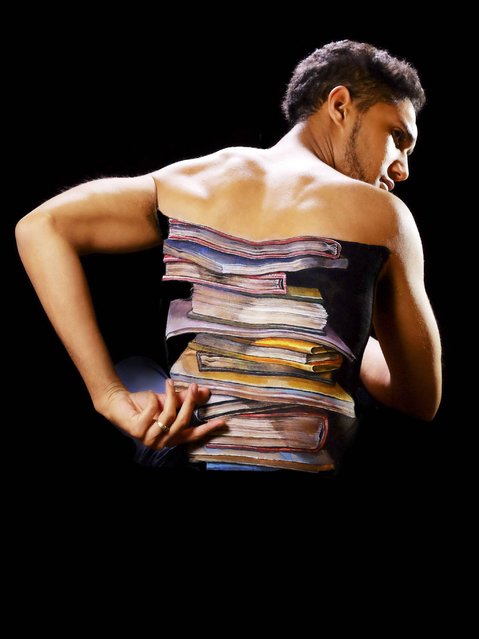
Hikaru Cho believes that we should challenge our imaginations to create new work using traditional tools, not fancy computers and software. (Photo by Jim Marks/PA Wire)

Hikaru Cho believes that we should challenge our imaginations to create new work using traditional tools, not fancy computers and software. (Photo by Jim Marks/PA Wire)
Details
06 Mar 2014 10:06:00


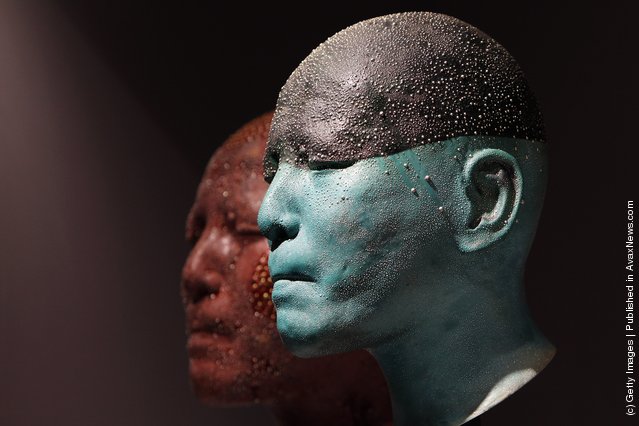
Two rare ceramic heads from a series by Japanese ceramicist Takahiro Kondo are displayed at the “Masterpiece London” Auction on June 29, 2011 in London, England. The second “Masterpieces London” sale is currently underway at The Royal Hospital Chelsea, showcasing fine and decorative arts, jewellery, classic cars, fine wines and sculpture from over 30 dealers. The event takes place from June 30 – July 5, 2011. (Photo by Dan Kitwood/Getty Images)
Details
30 Jun 2011 09:58:00
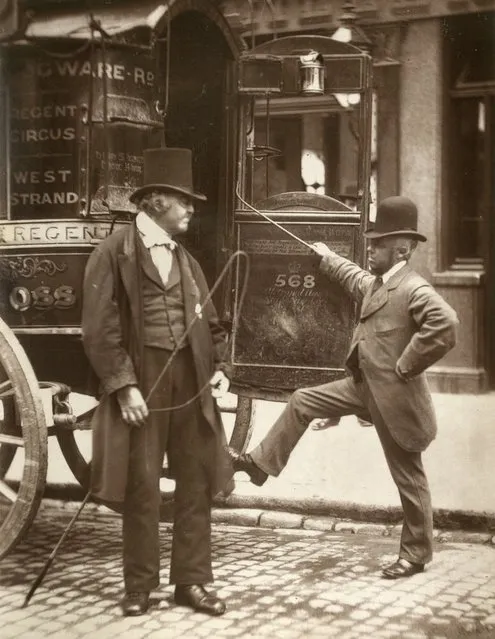
Ex Omnibus Driver. (Photo by John Thomson/LSE Digital Library)

“John Thomson (14 June 1837 – 29 September 1921) was a pioneering Scottish photographer, geographer and traveller. He was one of the first photographers to travel to the Far East, documenting the people, landscapes and artifacts of eastern cultures. Upon returning home, his work among the street people of London cemented his reputation, and is regarded as a classic instance of social documentary which laid the foundations for photojournalism. He went on to become a portrait photographer of High Society in Mayfair, gaining the Royal Warrant in 1881”. – Wikipedia. Photo: Ex Omnibus Driver. (Photo by John Thomson/LSE Digital Library)
Details
10 Feb 2013 17:30:00
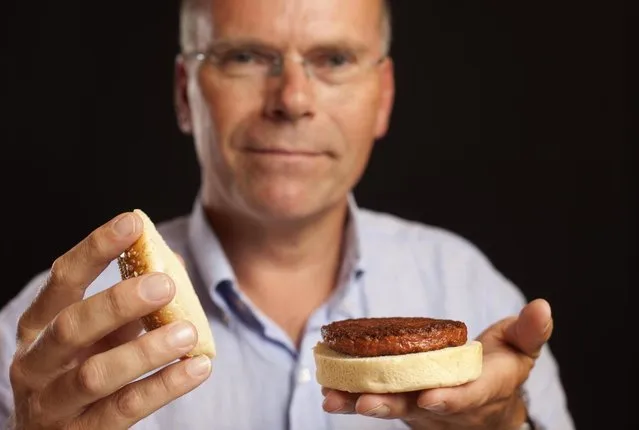
In this handout image provided by Ogilvy, a burger made from cultured beef, which has been developed by Professor Mark Post of Maastricht University in the Netherlands (pictured) is shown to the media during a press conference on August 5, 2013 in London, England. Cultured Beef could help solve the coming food crisis and combat climate change with commercial production of Cultured Beef beginning within ten to twenty years. (Photo by David Parry via Getty Images)

In this handout image provided by Ogilvy, a burger made from cultured beef, which has been developed by Professor Mark Post of Maastricht University in the Netherlands (pictured) is shown to the media during a press conference on August 5, 2013 in London, England. The in-vitro burger, cultured from cattle stem cells, the first example of what its creator says could provide an answer to global food shortages and help combat climate change, was fried in a pan and tasted by two volunteers. The burger is the result of years of research by Dutch scientist Mark Post, a vascular biologist at the University of Maastricht, who is working to show how meat grown in petri dishes might one day be a true alternative to meat from livestock.The meat in the burger has been made by knitting together around 20,000 strands of protein that has been cultured from cattle stem cells in Post's lab. (Photo by David Parry)
Details
06 Aug 2013 08:48:00