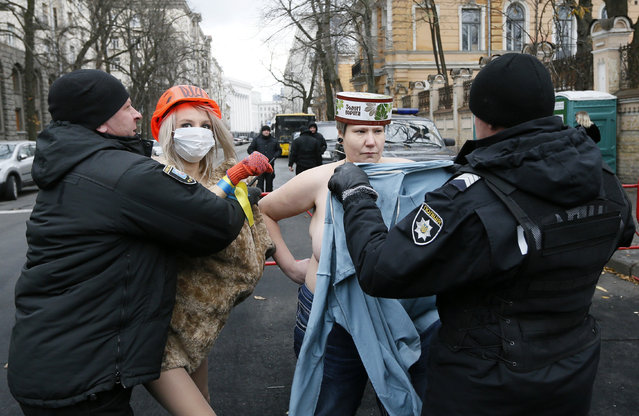
Policemen detain topless activists of women's rights group Femen, who stage a performance during a protest against Ukrainian President Petro Poroshenko and the government while marking the Day of Dignity and Freedom near the presidential administration headquarters in Kiev, Ukraine November 21, 2017. (Photo by Valentyn Ogirenko/Reuters)
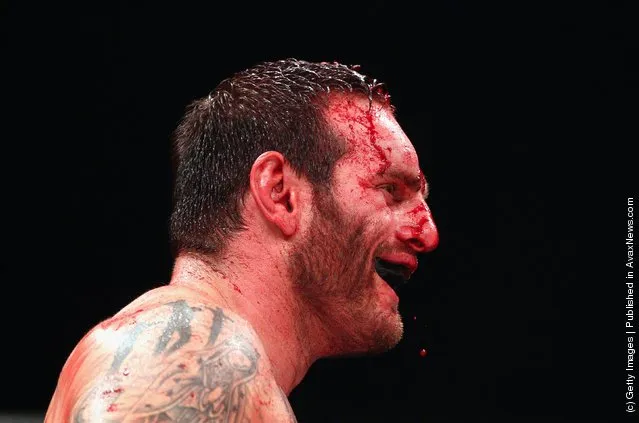
Andrew Profilli of Australia bleeds from the head during his 93kg bout against Priscus Fogagnolo of Australia during CFC 18 at Luna Park on August 26, 2011 in Sydney, Australia. (Photo by Ryan Pierse/Getty Images)
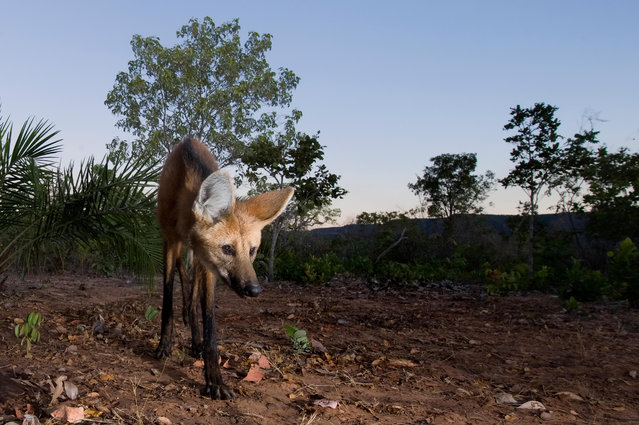
Global wildlife populations will decline by 67% by 2020 unless urgent action is taken to reduce human impact on species and ecosystems, warns the biennial Living Planet Index report from WWF (World Wide Fund for Nature) and ZSL (Zoological Society of London). From elephants to eels, here are some of the wildlife populations most affected by human activity. Here: The maned wolf is among the large mammals in the Brazilian Cerrado that are threatened by the increasing conversion of grasslands into farmland for grazing and growing crops. (Photo by Ben Cranke/Nature Picture Library/Alamy Stock Photo)
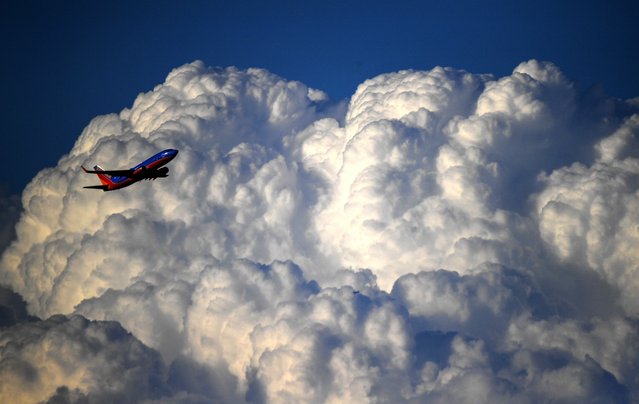
A Southwest Airlines jet takes off from Reagan National Airport with a thunderhead to the east on June 20, 2017 in Alexandria, VA. (Photo by Jonathan Newton/The Washington Post)
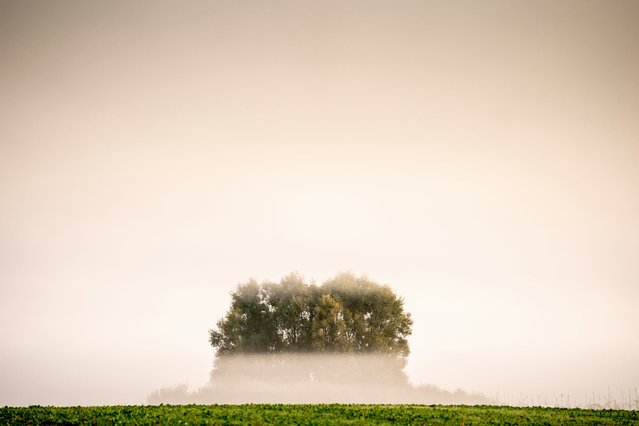
A view of trees shrouded in fog on a late summer morning between Tureby and Slimminge on Zealand, Denmark, 10 September 2021. (Photo by Mads Claus Rasmussen/EPA/EFE)
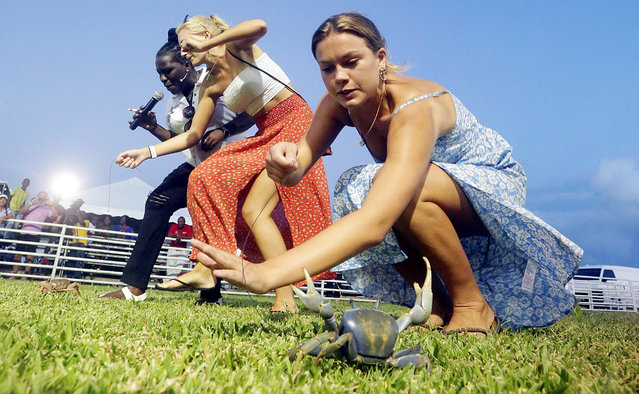
British tourist participates in a crab race at the annual Tobago Heritage Festival, at Buccoo Integrated Facility, in Tobago island, Trinidad and Tobago on July 29, 2018. (Photo by Andrea De Silva/EPA/EFE)