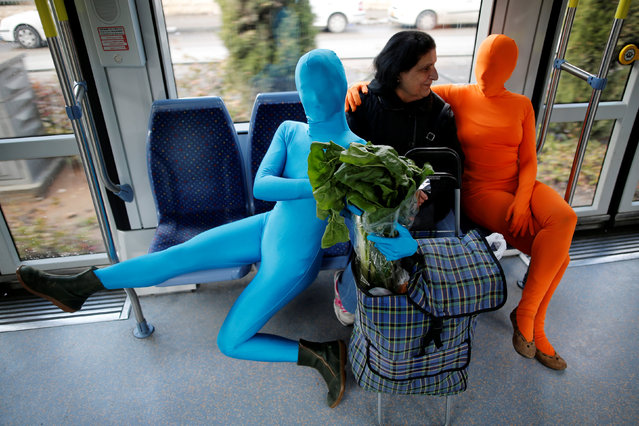
Members of the Prizma Ensemble wearing full solid-coloured bodysuits take part in a festival for the Jewish holiday of Hanukkah, in Jerusalem December 26, 2016. (Photo by Amir Cohen/Reuters)
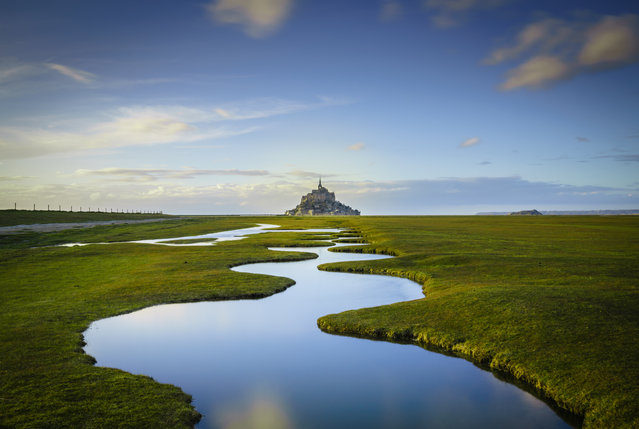
The Historic Photographer of the Year awards celebrate historic places and cultural sites across the globe, from national treasures to hidden gems. Entries were judged on originality, composition and technical proficiency as well as the story that inspired the submission and its historical impact. Here: Overall winner. Mont Saint-Michel by Daniel Burton. (Photo by Daniel Burton/The Guardian)
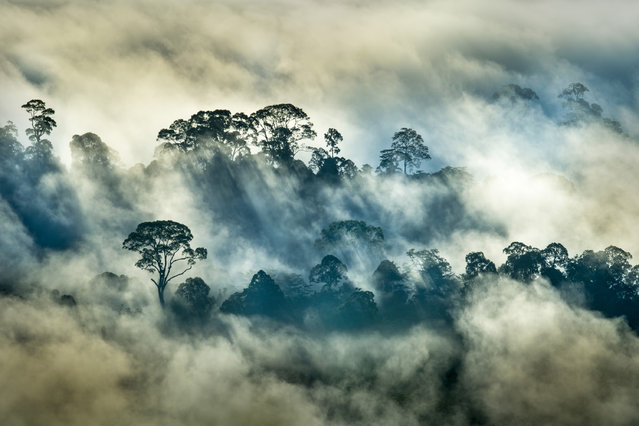
Run by the Society of German Nature Photographers (Gesellschaft Deutscher Tierfotografen), the prestigious annual contest celebrates the best wildlife photography from members in Germany. Here: Landscapes, second place: Florian Smit, “Rainforest” (Danum valley, Borneo). (Photo by Florian Smit/2019 GDT Nature Photographer of the Year)
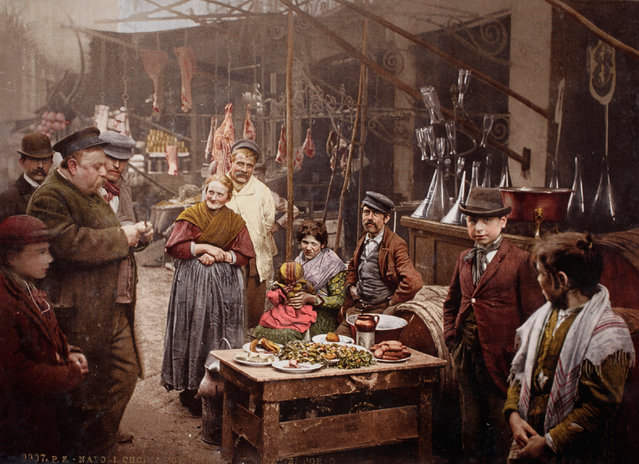
Photochromes are vibrant and nuanced prints hand-coloured from black-and-white negatives. Created using a process pioneered in the 1880s, these images offer a fascinating insight into the world when colour photography was still in its infancy. A Tour of the World in Photochromes is at the Swiss Camera Museum, Vevey, until 21 August. Here: Street food in the Strada del Porto in Naples, Italy, 1899. (Photo by Swiss Camera Museum/The Guardian)
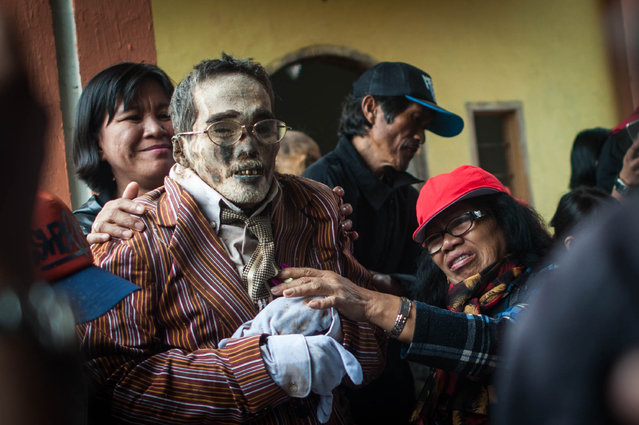
Relatives clean the body of Paul Sampe Lumba who has been dead for seven yeas during the Ma'nene ritual at Panggala Village on August 26, 2016 in Toraja, Indonesia. The Ma'nene ritual in performed during a ceremony every three years, where the dead are exhumed for a change of clothes, among the people of Toraja as an expression of the love of the surviving family. (Photo by Sijori Images/Barcroft Images)
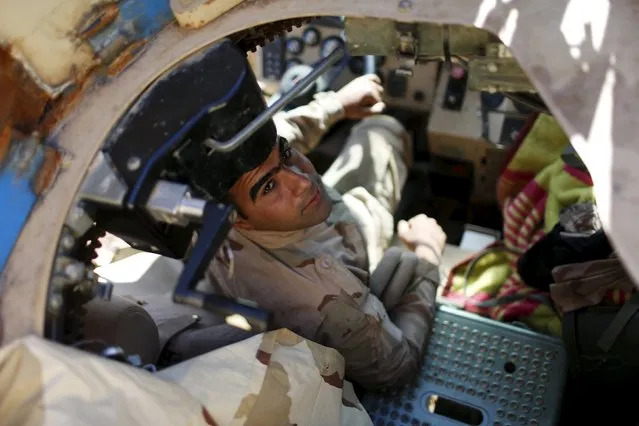
An Iraqi soldier drives MRAP at his base in Makhmour, after it was freed from control of Islamic State, south of Mosul, April 17, 2016. (Photo by Ahmed Jadallah/Reuters)
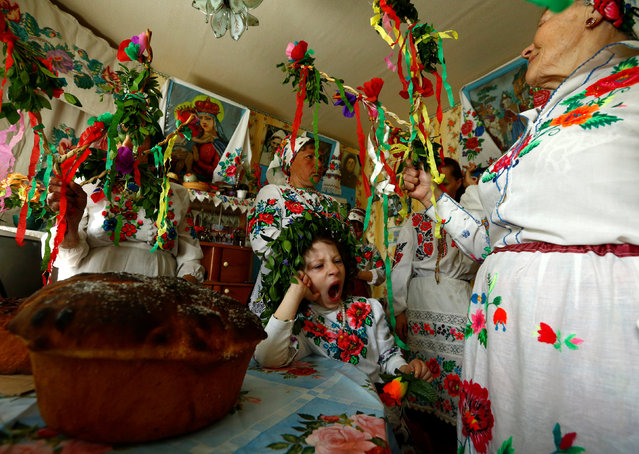
Villagers take part in a ritual celebrating the pagan god Yurya and pray for plentiful future harvests in the village of Pogost, Belarus May 6, 2016. (Photo by Vasily Fedosenko/Reuters)