16 Jun 2015 22:23:00,post received
0 comments

Details
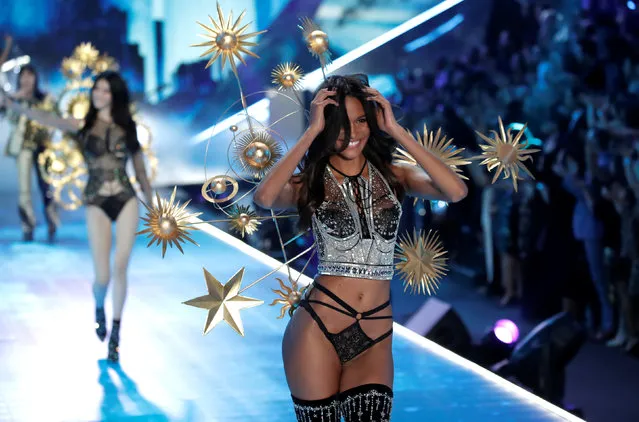
A model presents a creation during the 2018 Victoria's Secret Fashion Show in New York City, New York, U.S., November 8, 2018. (Photo by Mike Segar/Reuters)
14 Nov 2018 00:03:00,post received
0 comments
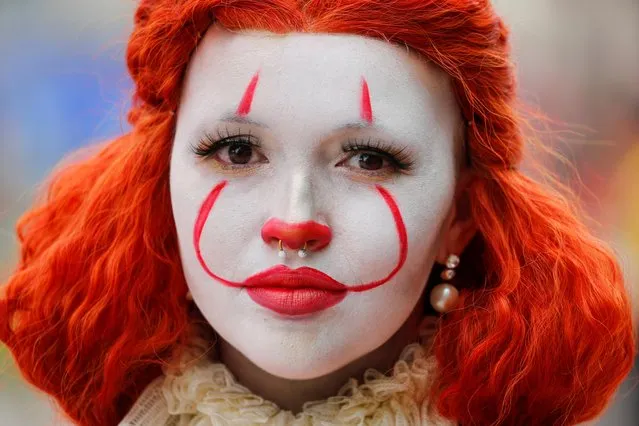
Attendee Ana Niebla arrives in costume as Princess Penny Wise for opening night of the pop culture festival Comic Con International in San Diego, California, U.S., July 17, 2019. (Photo by Mike Blake/Reuters)
22 Jul 2019 00:01:00,post received
0 comments
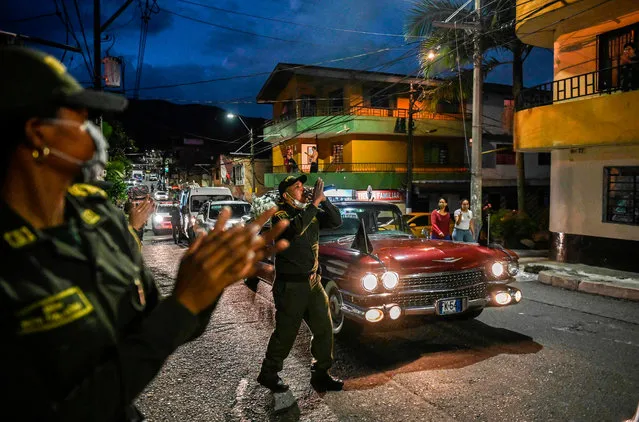
A police officer sings as a hearse drives along a street as part of a campaign sponsored by the Colombian police and a funerary home to raise awareness during the new coronavirus pandemic in Envigado, Antioquia, Colombia, on April 1, 2020. More than 20,000 cases of COVID-19 were registered in Latin America and the Caribbean by Wednesday, according to an AFP tally using information provided by national health authorities and the World Health Organization. (Photo by Joaquin Sarmiento/AFP Photo)
04 Apr 2020 00:01:00,post received
0 comments
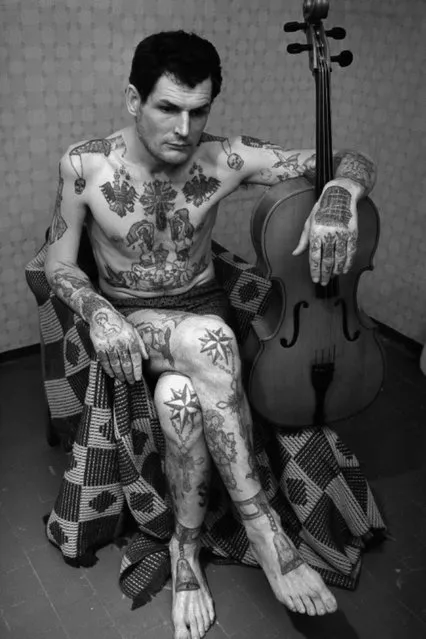
Tattoos are commonly used among criminals to show gang membership and record the wearer's personal history—such as his or her skills, specialties, accomplishments and convictions. They are also used as a means of personal expression. Certain designs have developed recognized coded meanings. The code systems can be quite complex and because of the nature of what they encode, the tattoo designs are not widely recognized.
24 Apr 2013 09:49:00,post received
0 comments
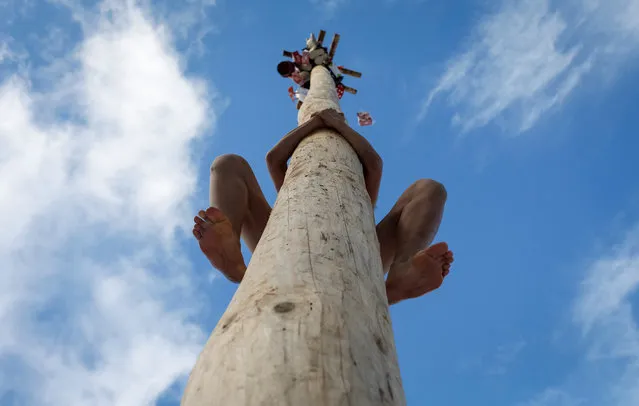
A man climbs up a wooden pole to get a prize during celebration of Maslenitsa, or Pancake Week, a pagan holiday marking the end of winter, near Rumyantsevo, Moscow region, Russia, February 26, 2017. (Photo by Sergei Karpukhin/Reuters)
28 Feb 2017 00:05:00,post received
0 comments
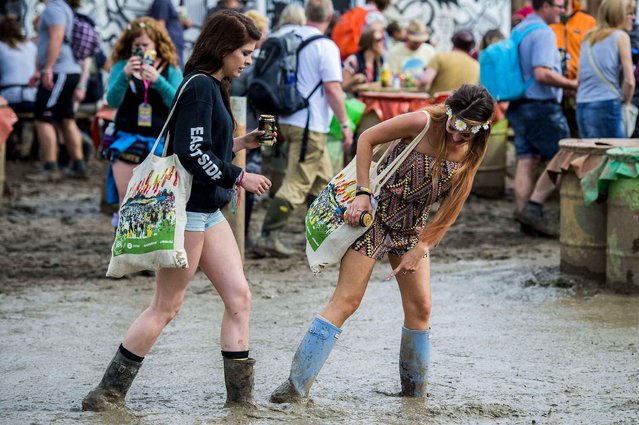
Festival goers arrive for the Glastonbury festival at Worthy Farm, in Somerset, England, Thursday, June 23, 2016. (Photo by Guy Bell/Rex Features/Shutterstock)
25 Jun 2016 12:17:00,post received
0 comments
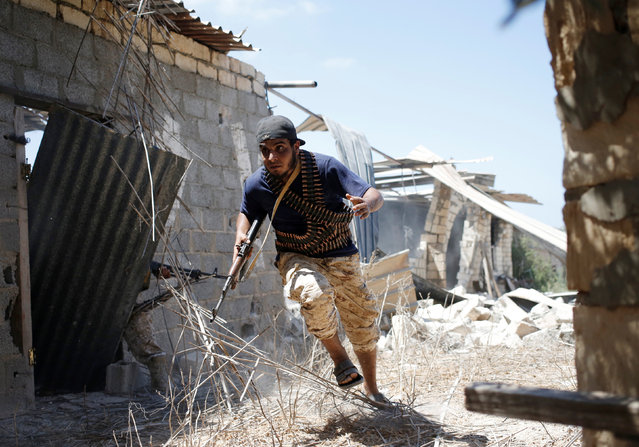
A fighter of Libyan forces allied with the U.N.-backed government runs for cover during a battle with Islamic State fighters in Sirte, Libya, July 31, 2016. (Photo by Goran Tomasevic/Reuters)
01 Aug 2016 10:16:00,post received
0 comments