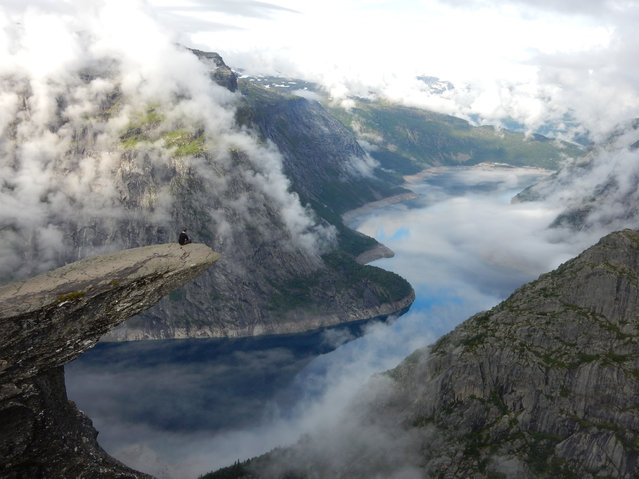
Taking it all in at Trolltunga, a piece of rock which juts horizontally out of a mountain, 700 metres above lake Ringedalsvatnet in Norway. (Photo by Sam Rogers/GuardianWitness)
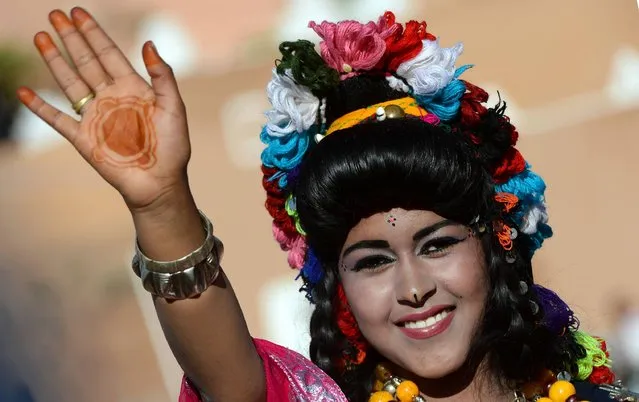
A Berber Moroccan woman, wearing traditional outfits, parades during the “Miss Rose” beauty contest as part of the yearly Rose Festival on May 13, 2016 in the town of Kelaat Mgouna, at the foot of the High Atlas Mountains in Morocco. (Photo by Fadel Senna/AFP Photo)
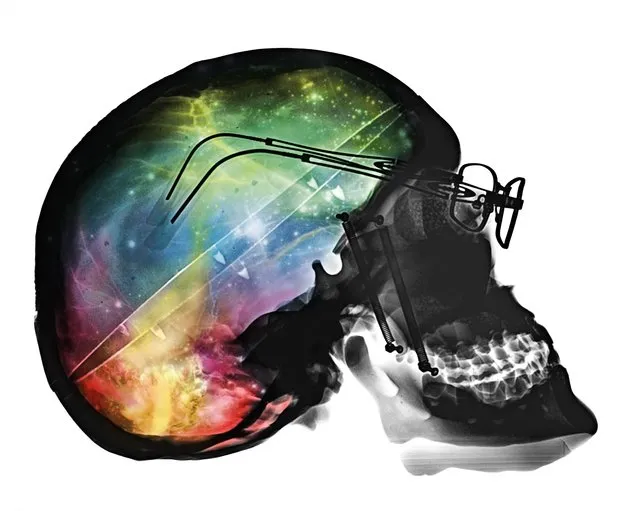
These stunning coloured images show detailed x-ray images of everything from skulls to light bulbs. Artist Paula Fontaine, from Westminster Massachusetts, created the images using a process called digital map painting. To create the images the x-ray emission source – the head of the machine on an arm which focuses the beam – is placed over the object. Paula then retreats behind a shielded screen before activating the x-ray exposure. Here: Brain storm, conceptual composite X-ray. (Photo by Paula Fontaine/Barcroft Media)
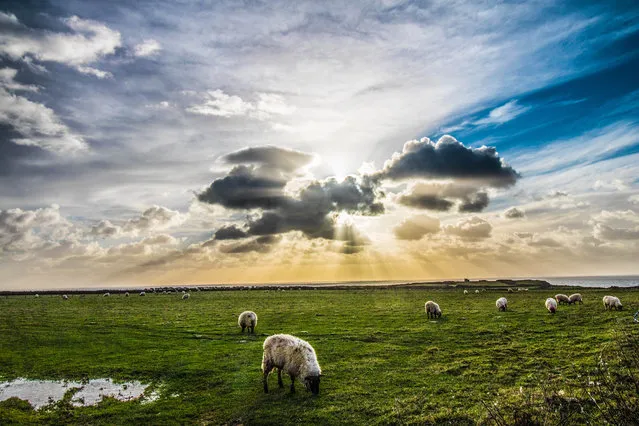
“After an afternoon of hiking and exploring the caves of Rhossili Bay, West Glamorgan, we caught the sun breaking through the clouds”. (Photo by Megan Warren-Davis/The Guardian)
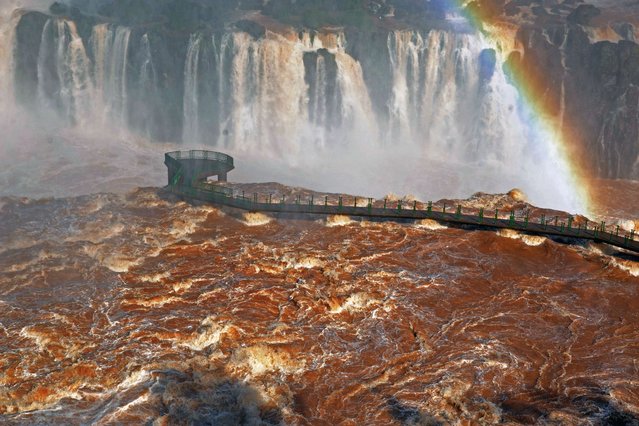
View of a damaged bridge at the Iguacu Falls on June 12, 2014, in Foz do Iguacu, Brazil, following the overflowing of the Parana river. In neighbouring Paraguay flooding has forced the evacuation of about 150,000 people in Paraguay's capital city Asuncion, authorities said. (Photo by Norberto Duarte/AFP Photo)
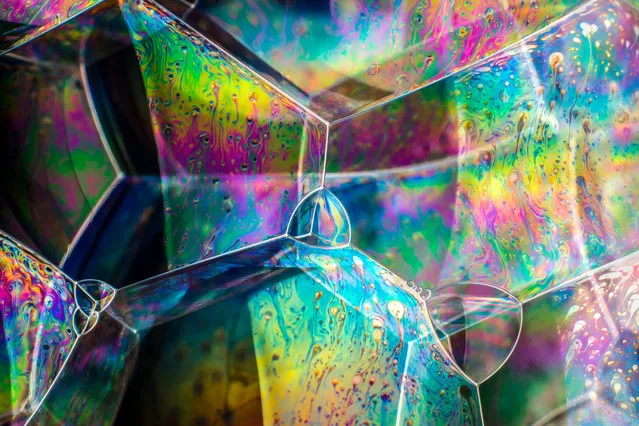
Soap Bubble Structures by Kym Cox. Bubbles optimise space and minimise their surface area for a given volume of air. This phenomenon makes them a useful tool in many areas of research, in particular, materials science and “packing” – how things fit together. Bubble walls drain under gravity, thin at the top, thick at the bottom, which interferes with travelling lightwaves to create bands of colour. Black spots show the wall is too thin for interference colours, indicating the bubble is about to burst. (Photo by Kym Cox/2019 Science Photographer of the Year/RPS)